TRENDING

Monday, 5 October 2026
----------------------
24 Rabi' Al-Thani 1448 AH
France's record drought is crippling its renowned cheese industry, with milk production plummeting and the quality of dairy products under threat. As the country grapples with successive heatwaves, the human cost of climate change is becoming increasingly evident. French farmers, already struggling with the psychological and economic impacts of the climate crisis, are now facing an uncertain future.
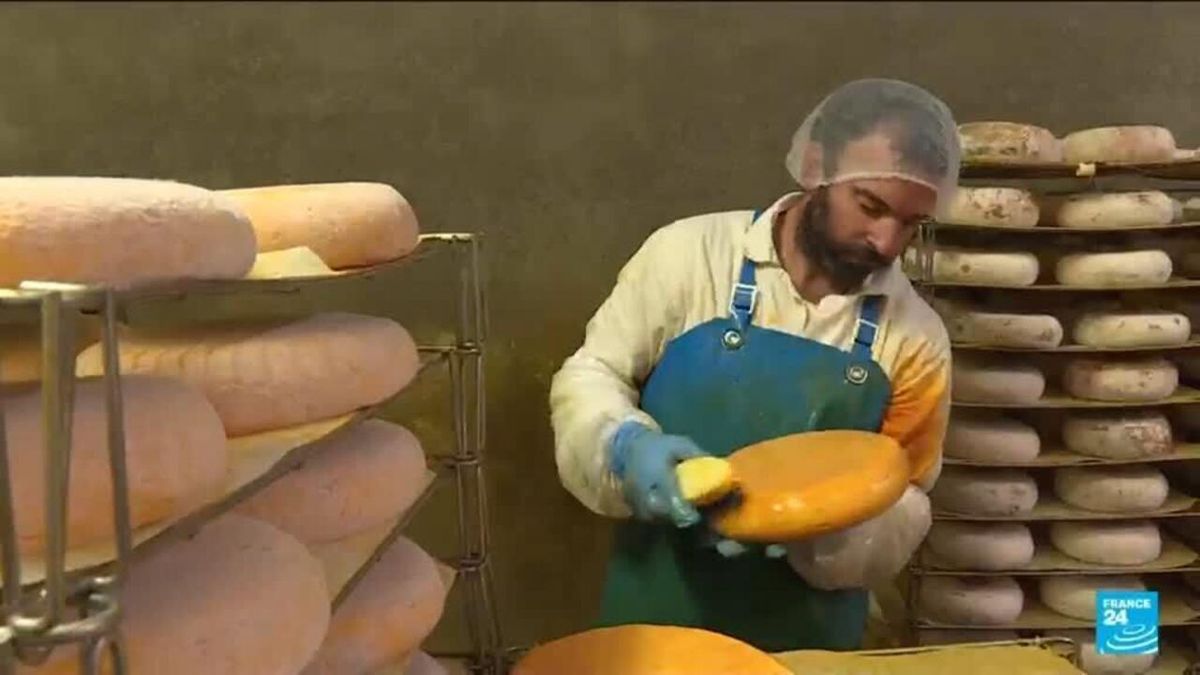
France is in the grip of a severe drought, with nearly 70% of the country facing water restrictions. The agricultural sector, particularly the dairy industry, has been severely impacted. Milk production has fallen significantly due to the extreme heat causing vegetation to dry up, threatening the quality of dairy products, including the country's famous cheese.
The drought has exposed the vulnerability of France's agricultural sector to climate change. The country's dairy industry, which is a significant contributor to the national economy, is heavily reliant on water and grazing land. The French government has been criticized for its handling of the drought, with many farmers feeling that their concerns have been ignored. The European Union's Common Agricultural Policy (CAP) has also been accused of exacerbating the problem by prioritizing large-scale industrial farming over smaller, more sustainable operations.
The human cost of the drought is being felt most keenly by French farmers, who are not only struggling to maintain their livelihoods but also facing significant psychological and economic stress. The cheese-making industry, which is often family-owned and operated, is particularly vulnerable. Many farmers are being forced to reduce their herds or seek alternative sources of income, leading to a sense of uncertainty and desperation. The impact on rural communities, where farming is often the primary source of employment, is also significant.
What is being downplayed in the official narrative is the role of industrial agriculture in exacerbating the drought. The intensive farming practices that are prevalent in France, which prioritize efficiency and profit over sustainability, have contributed to the degradation of soil and the depletion of water resources. The French government's reluctance to address these issues is likely due to the significant lobbying power of the agricultural industry. Additionally, the impact of the drought on France's food security and the potential for price increases is being understated, with many consumers likely to feel the effects in the coming months.
As the drought continues to worsen, readers should watch for the French government's response to the crisis. Will they prioritize the interests of large-scale farmers or take steps to support smaller, more sustainable operations? The impact on the country's food security and the potential for price increases will also be significant. Additionally, the role of the European Union's Common Agricultural Policy in exacerbating the problem will come under increasing scrutiny. As the climate crisis continues to intensify, the ability of France's agricultural sector to adapt and evolve will be crucial to the country's economic and social well-being.
Editor's Note: The analysis is based on current trends and available data, but the situation is rapidly evolving and may be subject to change.
Source referenced: FRANCE24
This brief was synthesized by our Editorial Engine and reviewed by The Ground Narrative team.


