TRENDING

Saturday, 3 October 2026
----------------------
22 Rabi' Al-Thani 1448 AH
The World Health Organization has revealed that the recent Ebola outbreak in the Democratic Republic of Congo began three months earlier than initially declared, raising questions about the delay in response and its impact on affected communities. This outbreak surpasses 4,000 cases, highlighting the need for immediate and effective action. The delay in declaring the emergency has significant implications for global health security and the ability of international organizations to respond to emerging crises.
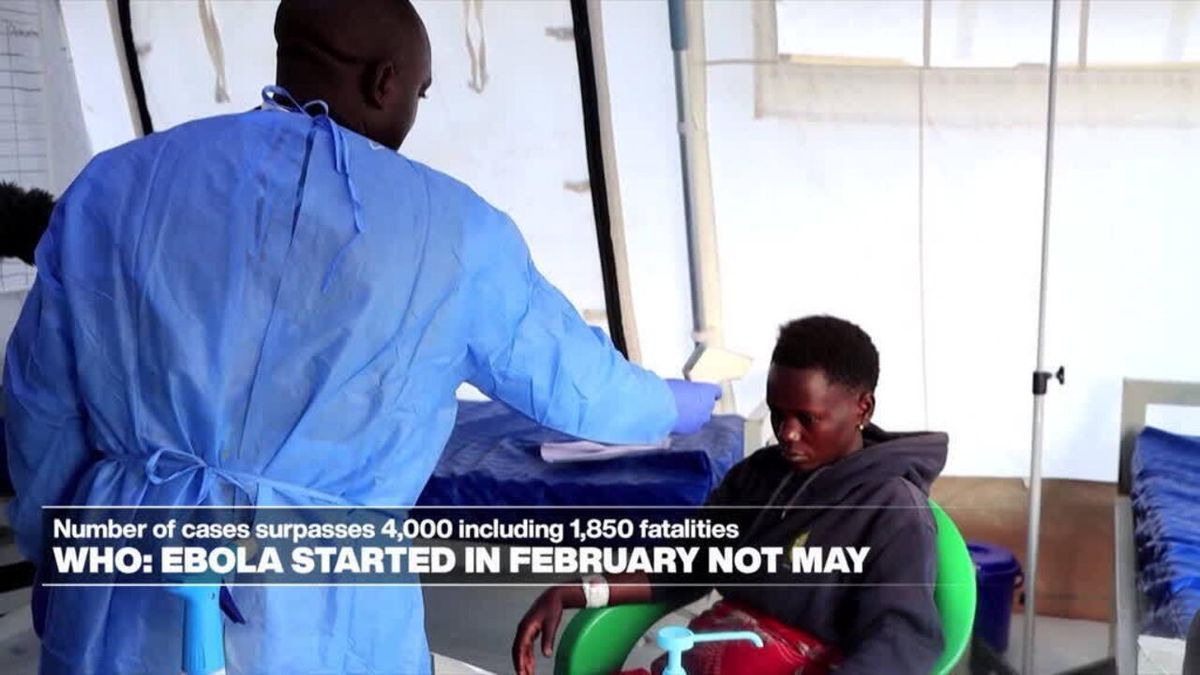
The Ebola outbreak in the Democratic Republic of Congo (DRC) has been a growing concern, with the World Health Organization (WHO) now confirming that the outbreak began approximately three months before the official declaration in May. This revelation comes as the outbreak has surpassed 4,000 cases, underscoring the severity of the situation and the need for a robust response.
The delay in declaring the Ebola outbreak as an emergency raises critical questions about the power dynamics at play. The WHO's role in global health security is paramount, but the organization's ability to respond effectively is often hindered by political considerations, funding constraints, and the complexities of operating in fragile states. The DRC, with its history of conflict and political instability, presents a challenging environment for health responders. The delay in response can be attributed to a combination of these factors, including the need for confirmation of the outbreak, the mobilization of resources, and the coordination with local authorities.
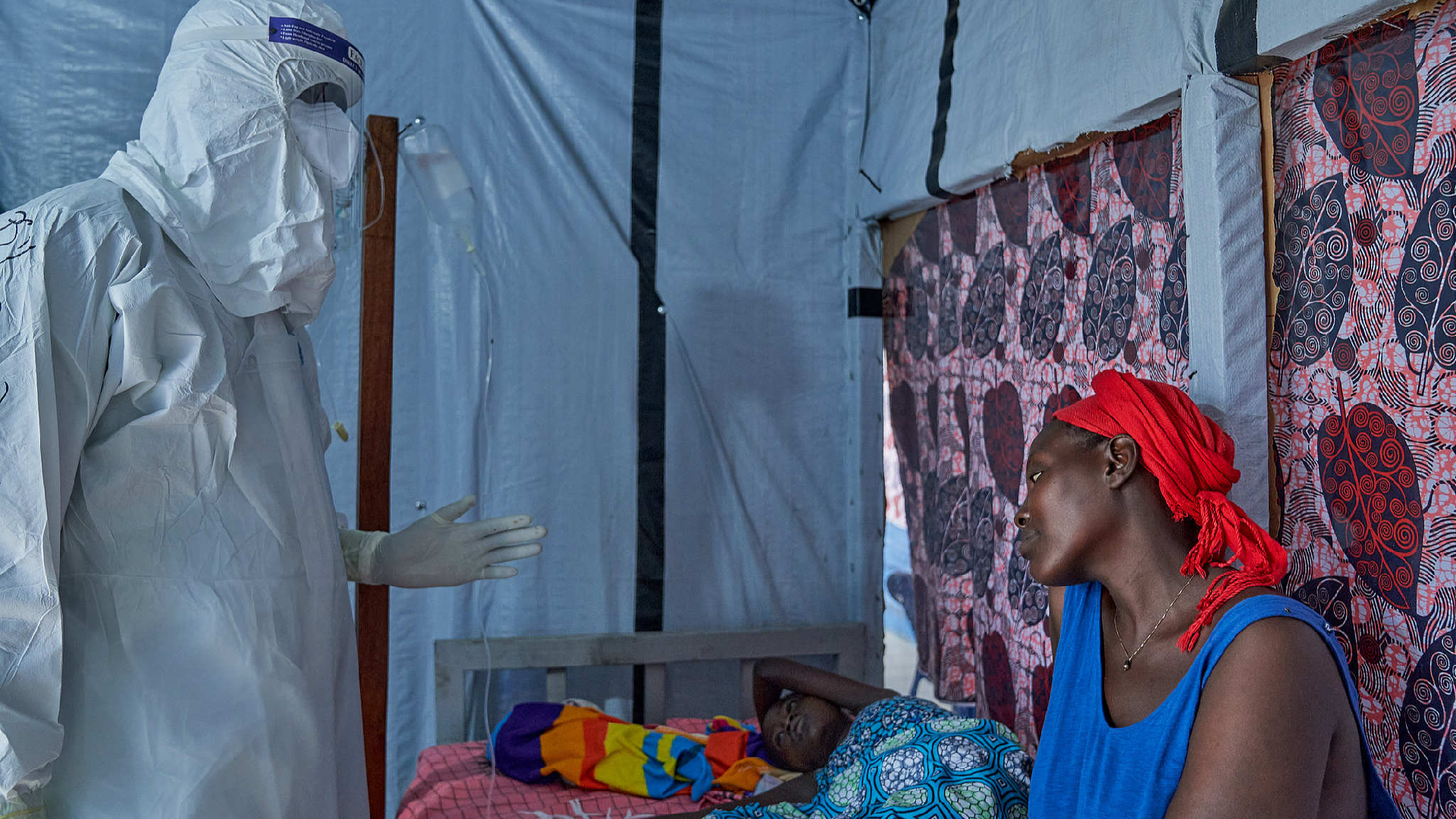
The human cost of the delayed response is significant. Communities in the DRC have borne the brunt of the outbreak, with thousands of cases and a rising death toll. The impact extends beyond the immediate health crisis, affecting local economies, social structures, and the psychological well-being of those affected. The delay in response has meant that these communities have had to endure the outbreak with limited support, exacerbating the suffering and the sense of abandonment.
What is being downplayed or omitted in the official statements is the systemic failure that led to the delay in declaring the emergency. This includes issues of funding, preparedness, and the political will to address the outbreak promptly. The international community's response to the crisis has been criticized for being slow and inadequate, highlighting deeper structural problems in global health governance. The narrative around the outbreak often focuses on the heroic efforts of health workers and the resilience of affected communities, but it rarely addresses the systemic shortcomings that allow such crises to unfold and persist.
As the situation in the DRC continues to evolve, several key factors will determine the trajectory of the outbreak. The ability of the WHO and other international responders to scale up their efforts, the commitment of funding and resources from the global community, and the political stability within the DRC will all play critical roles. Additionally, the lessons learned from this outbreak will be crucial in informing future responses to emerging health crises, emphasizing the need for transparency, swift action, and a commitment to supporting vulnerable communities.
Editor's Note: The analysis is based on publicly available information and may not reflect the full complexity of the situation on the ground.
Source referenced: FRANCE24
This brief was synthesized by our Editorial Engine and reviewed by The Ground Narrative team.