TRENDING

Tuesday, 6 October 2026
----------------------
25 Rabi' Al-Thani 1448 AH
Ethiopian federal forces reclaimed the Alula Aba Nega Airport in Mekelle as TPLF rebels withdrew. The move reshapes a fragile front line while ordinary citizens confront new insecurity.
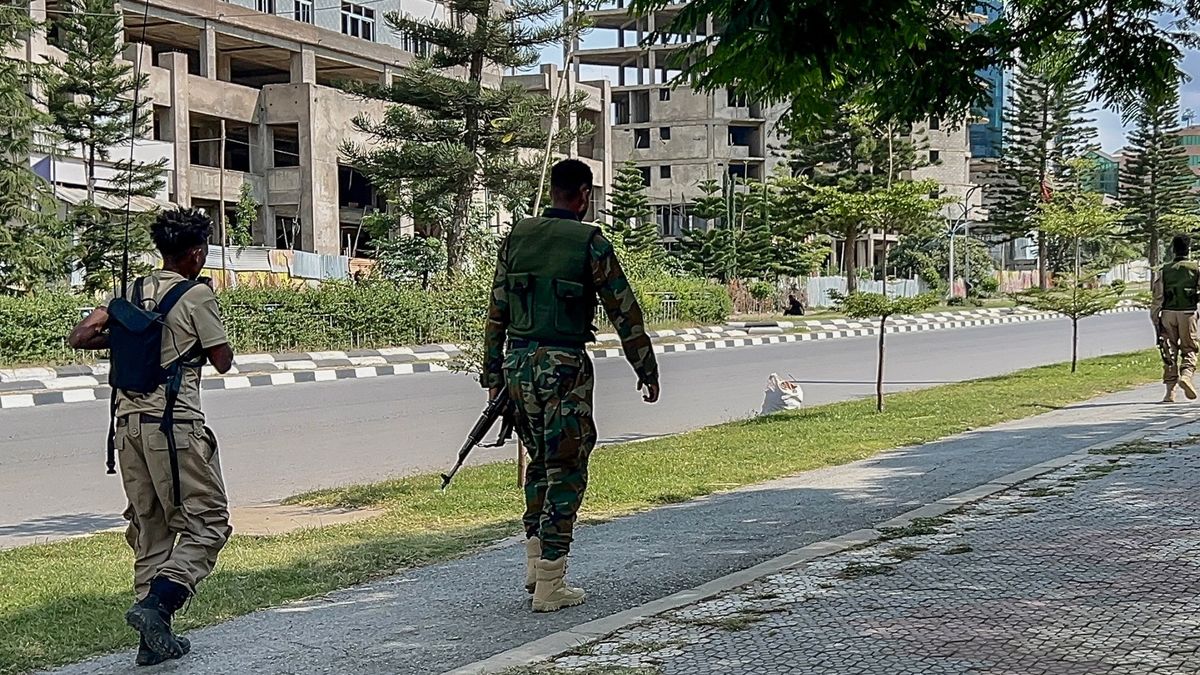
On 3 October 2026, Ethiopian federal troops and allied militias entered Alula Aba Nega Airport, the main airfield serving Mekelle, the capital of the Tigray region. Unnamed sources reported that fighters from the Tigray People’s Liberation Front (TPLF) were pulling back from the city, leaving the runway under government control. Residents described a mixed scene of relief at the return of a strategic asset and anxiety over the sudden power vacuum, noting that no uniformed security presence had yet patrolled the streets.
Prime Minister Abiy Ahmed faces mounting pressure to demonstrate decisive leadership after the September coalition of rebel groups launched a coordinated offensive. Reclaiming the airport offers a visible victory that can be broadcast domestically and internationally, reinforcing his narrative of a strong central state capable of restoring order. The runway also serves as a logistical hub, enabling rapid deployment of troops, supplies, and humanitarian aid—tools essential for sustaining a multi‑axis counter‑offensive.
The TPLF’s retreat reflects a strategic recalibration. Holding three airports at the conflict’s outset stretched their limited air‑defense resources and exposed supply lines. By pulling back, they preserve manpower for guerrilla operations deeper in the highlands, where terrain favors asymmetric warfare. The broader seven‑party coalition, still in its infancy, must balance the desire for high‑profile gains with the risk of overextension, a tension that shapes their current posture.
Both Eritrea and Sudan have been accused by Addis Ababa of backing the rebels, accusations the neighbors deny. The TPLF’s leader, Debretsion Gebremichael, framed the conflict as a struggle for control of the Red Sea corridor, a claim that raises the specter of a wider maritime contest. For Eritrea, any Ethiopian push toward its coast threatens a fragile peace, while for Egypt and Saudi Arabia, instability in the Horn threatens the flow of oil and the security of the Bab al‑Mandeb strait.
Mekelle’s 500,000‑strong population faces immediate threats: looting, arbitrary arrests, and the loss of essential services. Residents reported that shops were shuttered, electricity flickered, and water pumps stalled as the city’s municipal staff fled or were detained. The sudden absence of law‑enforcement units has left neighborhoods vulnerable to opportunistic crime, compounding the trauma of months of siege.
The airport’s capture earlier this year forced thousands of internally displaced persons (IDPs) to relocate to makeshift camps on the city’s outskirts. With the runway now under government control, aid convoys may resume, yet the Amnesty International report warns that forced conscription and drone strikes have already claimed dozens of civilian lives in surrounding districts. The humanitarian corridor remains precarious, hampered by communication blackouts and restricted media access.
Mekelle’s market economy, already battered by the 2020‑2022 war, suffers as traders lose inventory to looting and transport routes remain unsafe. The airport’s closure had halted cargo flights that supplied medical supplies and grain, inflating prices for basic goods. Even as the runway reopens, the lingering fear of renewed fighting discourages investment, pushing many small businesses toward bankruptcy.
Addis Ababa’s official statements emphasize a swift “restoration of law and order,” yet they omit the systematic dismantling of local governance structures that occurred during the offensive. Reports from local journalists suggest that municipal officials were replaced by military appointees, a move that consolidates power but erodes civilian oversight.
While the United Nations and the African Union call for a cease‑fire, they have not disclosed the extent of their diplomatic engagement with the rebel coalition. Behind closed doors, several Gulf investors are reportedly assessing the security of oil‑linked infrastructure along the Red Sea, a factor that could shape future arms sales and reconstruction contracts.
The Ethiopian government’s communications blackout limits independent verification of battlefield claims. Satellite imagery shows the runway cleared, but the absence of journalists on the ground means civilian testimonies remain the primary source of information, leaving room for both propaganda and under‑reporting of abuses.
The next weeks will reveal whether the federal forces can translate the airport’s capture into a broader stabilization of Mekelle. Key indicators include the deployment of uniformed police, the reopening of humanitarian corridors, and any shift in rebel tactics—particularly the use of drones against urban centers. Observers should also monitor diplomatic signals from Eritrea, Sudan, and Gulf states, as their involvement could either contain or expand the conflict into a regional flashpoint.
The airport provides a logistical hub for troops and aid, offering the federal government a visible victory and a platform to project power while limiting rebel mobility.
Residents confront looting, loss of services, possible arbitrary arrests, and a fragile security environment as law‑enforcement units are still absent.
Yes, regional actors like Eritrea and Gulf states have vested interests in Red Sea access, and any escalation could draw neighboring countries into a broader confrontation.
Source referenced: ALJAZEERA
This brief was synthesized by our Editorial Engine and reviewed by The Ground Narrative team.