TRENDING

Thursday, 15 October 2026
----------------------
4 Jumada Al-Awwal 1448 AH
The Democratic Republic of Congo's World Cup squad faces a mandatory 21-day isolation in Belgium before entering the US, a measure imposed due to the escalating Ebola outbreak in the DR Congo. This decision highlights the critical intersection of global health security, international travel, and major sporting events, underscoring the US's stringent public health protocols.
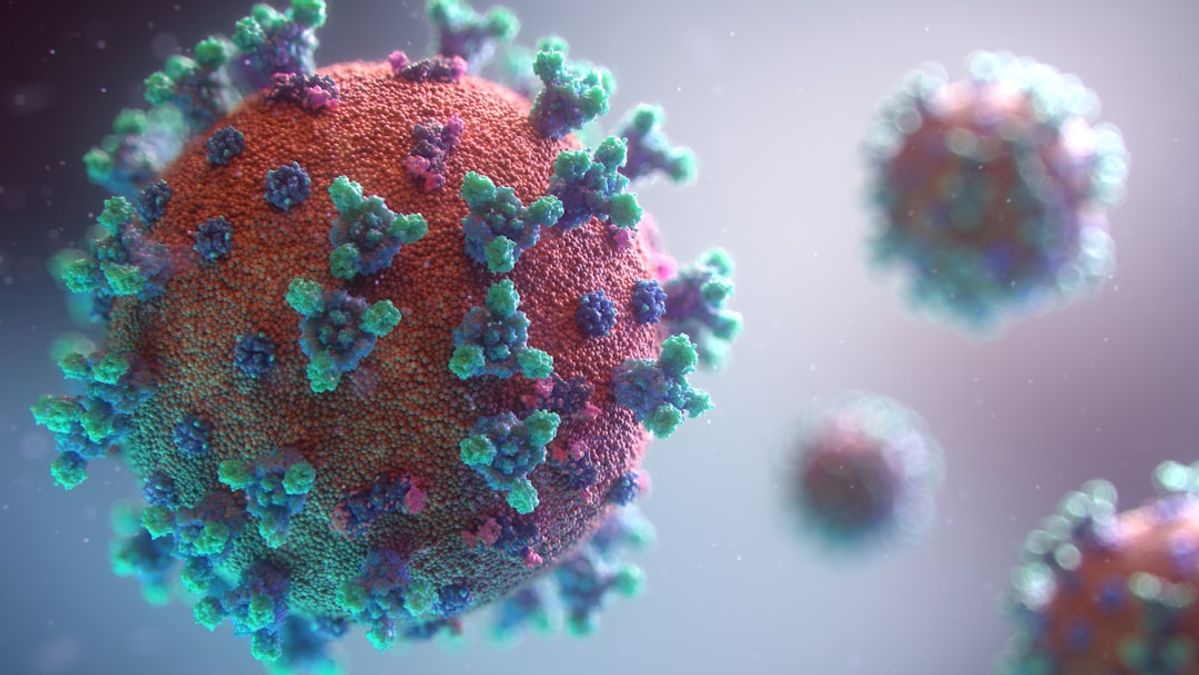
The Democratic Republic of Congo (DR Congo) national football team, preparing for the upcoming World Cup, has been mandated by US authorities to undergo a strict 21-day isolation period in Belgium before being permitted entry into the United States. This unprecedented measure stems directly from the escalating Ebola outbreak in the DR Congo, illustrating the profound impact of global health crises on international travel, diplomacy, and major sporting events.
The World Health Organization (WHO) recently elevated the public health risk from the Ebola outbreak in the DR Congo from "high" to "very high." This assessment, announced by WHO Director-General Dr. Tedros Adhanom Ghebreyesus, underscores the severity and potential for wider regional spread, though the global risk remains classified as "low." The outbreak, centered in the DR Congo, has prompted significant concern among international health bodies and governments worldwide, particularly those hosting large-scale international gatherings.
The United States Centers for Disease Control and Prevention (CDC) has implemented a ban on entry for non-American citizens who have been in the DR Congo, Uganda, or South Sudan within the preceding 21 days. This policy forms the basis of the directive issued to the DR Congo World Cup squad. Andrew Giuliani, executive director of the White House Task Force for the World Cup, explicitly stated the necessity of maintaining a "bubble" for the team in Belgium. "They need to maintain that bubble or they risk not being able to travel to the United States. We cannot be any clearer," Giuliani told ESPN, emphasizing the non-negotiable nature of the health protocol.
This stringent approach by the US reflects a broader national security perspective on public health, where the prevention of infectious disease transmission is prioritized to safeguard the domestic population and the integrity of major international events. The decision to cancel the team's planned training camp in Kinshasa, the capital of DR Congo, and relocate it to Belgium, was a direct consequence of these restrictions, even though all players are reportedly based outside the country. The US authorities have made it clear that any symptomatic individual within the team's entourage could jeopardize the entire squad's participation.
This incident highlights several critical geopolitical and economic dimensions:
* Global Health Security: The situation underscores the interconnectedness of the world and the vulnerability of even highly organized international events to localized health crises. It reinforces the need for robust global health surveillance, rapid response mechanisms, and international cooperation in managing epidemics.
* Sovereignty vs. Public Health: The US's imposition of travel restrictions on a national team from a sovereign nation, while justified on public health grounds, touches upon the delicate balance between national sovereignty and the imperative of global health security. Host nations of major events wield significant power in dictating entry requirements, especially during health emergencies.
* Economic and Social Stigma: While necessary, such measures can inadvertently contribute to the stigmatization of countries experiencing outbreaks. This can have broader economic consequences, affecting tourism, trade, and foreign investment, beyond the immediate impact on sports. The cancellation of the Kinshasa training camp, for instance, represents a lost economic opportunity for the DR Congo.
* Role of International Organizations: The WHO's risk assessment played a pivotal role in informing the US CDC's policy. This demonstrates the critical function of international health bodies in providing authoritative guidance that shapes national and international responses to health threats.
* Precedent for Future Events: As the world grapples with the ongoing threat of pandemics and epidemics, this case sets a precedent for how major international gatherings, from sports tournaments to diplomatic conferences, might be managed in the face of public health emergencies. It emphasizes the need for contingency planning and adaptable protocols.
The mandatory isolation of the DR Congo World Cup squad is a stark reminder of how global health challenges can directly impact international affairs, even in seemingly unrelated domains like sports. It reflects a determined effort by the US to mitigate public health risks associated with the Ebola outbreak, prioritizing the safety of its population and the integrity of the World Cup. While the immediate focus is on the team's participation, the broader implications resonate across global health security, international relations, and the economic landscape of affected regions, underscoring the complex interplay of these factors in an increasingly interconnected world.
Source referenced: BBC
This brief was synthesized by our Editorial Engine and reviewed by The Ground Narrative team.