TRENDING

Monday, 5 October 2026
----------------------
24 Rabi' Al-Thani 1448 AH
A year into the National Guard's deployment in Washington, DC, residents and experts debate the mission's success, while concerns over constitutionality, cost, and human impact linger. The deployment, initiated by President Trump, has sparked protests, lawsuits, and resistance from local officials, with many questioning its effectiveness in reducing crime.
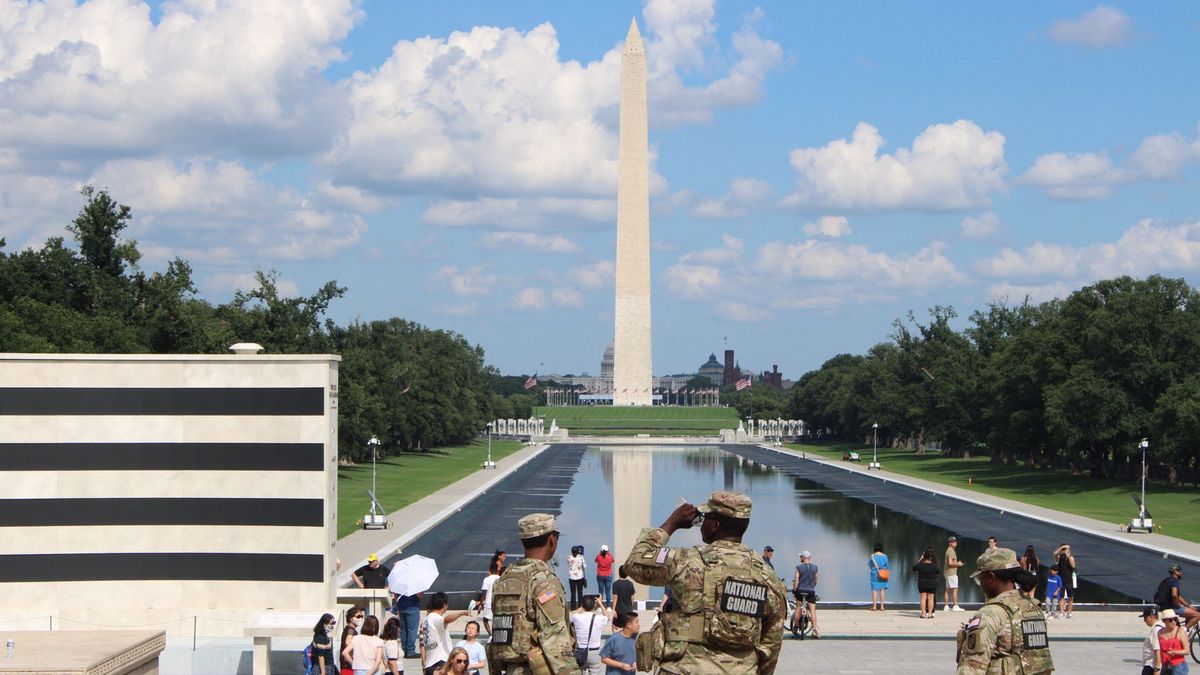
In August 2025, President Trump deployed the National Guard to Washington, DC, as part of his Safe and Beautiful Task Force, citing a crime emergency in the city. The move was met with immediate opposition from residents, politicians, and experts, who questioned the deployment's constitutionality and effectiveness. One year later, the debate continues, with some arguing that the Guard's presence has improved safety, while others claim it has done little to address the city's underlying issues.
The National Guard's deployment in DC is a complex issue, involving a delicate balance of power between the federal government, local authorities, and the community. President Trump's decision to deploy the Guard was seen by many as a political move, aimed at demonstrating his commitment to law and order. However, the deployment has also raised concerns about the militarization of law enforcement, the erosion of civil liberties, and the potential for abuse of power. The fact that the Guard's presence has been concentrated in high-traffic areas, such as tourist hubs, has led some to suggest that the deployment is more focused on maintaining a visible presence than addressing the root causes of crime.
The human cost of the National Guard's deployment in DC is a critical aspect of the story, often overlooked in the debate over the mission's effectiveness. For residents like Ybonne Coles, the presence of soldiers on the streets is a reminder of the city's deep-seated issues, which she believes could be better addressed through community-based initiatives rather than military intervention. Others, like Aaron Taslitz, feel safer with the Guard present, but acknowledge that the deployment is not a long-term solution to the city's problems. The financial cost of the deployment, estimated to be over $1.4 billion, is also a significant concern, as it could be spent on more effective and sustainable solutions to address the city's social and economic challenges.
One of the most significant aspects of the National Guard's deployment in DC is what is not being said. The Trump administration has been accused of downplaying the deployment's true costs, both financially and in terms of its impact on civil liberties. The use of software tools like Meltwater and Cision, which monitor social media activity, has raised concerns about the potential for surveillance and the erosion of privacy rights. The fact that the Guard's presence has been concentrated in areas with high foot traffic, rather than in neighborhoods with high crime rates, suggests that the deployment may be more focused on maintaining a visible presence than addressing the root causes of crime. Furthermore, the deployment has been criticized for its potential to politicize the armed forces and reduce troop preparedness, as well as its impact on local trust in law enforcement.
As the National Guard's deployment in DC continues, there are several key developments to watch. The ongoing litigation over the deployment's constitutionality is likely to have significant implications for the future of the mission. The shift in patrol zones, announced by Commanding General Leland D Blanchard II, may also have an impact on the deployment's effectiveness. Additionally, the upcoming 250th anniversary celebrations in the capital, which will require a significant security presence, may provide a test of the Guard's ability to maintain order and ensure public safety. Ultimately, the success or failure of the National Guard's deployment in DC will depend on its ability to address the city's underlying issues, rather than simply providing a visible presence on the streets.
Editor's Note: The analysis is based on publicly available information and may not reflect the full complexity of the issue.
Source referenced: ALJAZEERA
This brief was synthesized by our Editorial Engine and reviewed by The Ground Narrative team.


