TRENDING

Sunday, 4 October 2026
----------------------
23 Rabi' Al-Thani 1448 AH
Two bombing attacks marked the first day of Colombia's new right-wing government, killing one police officer and wounding several. The violence reflects ongoing conflict despite 2016 peace accords, causing fear and tension among local residents. President Abelardo de la Espriella has vowed to intensify actions against guerrilla groups and drug traffickers, promising no leniency for attackers.
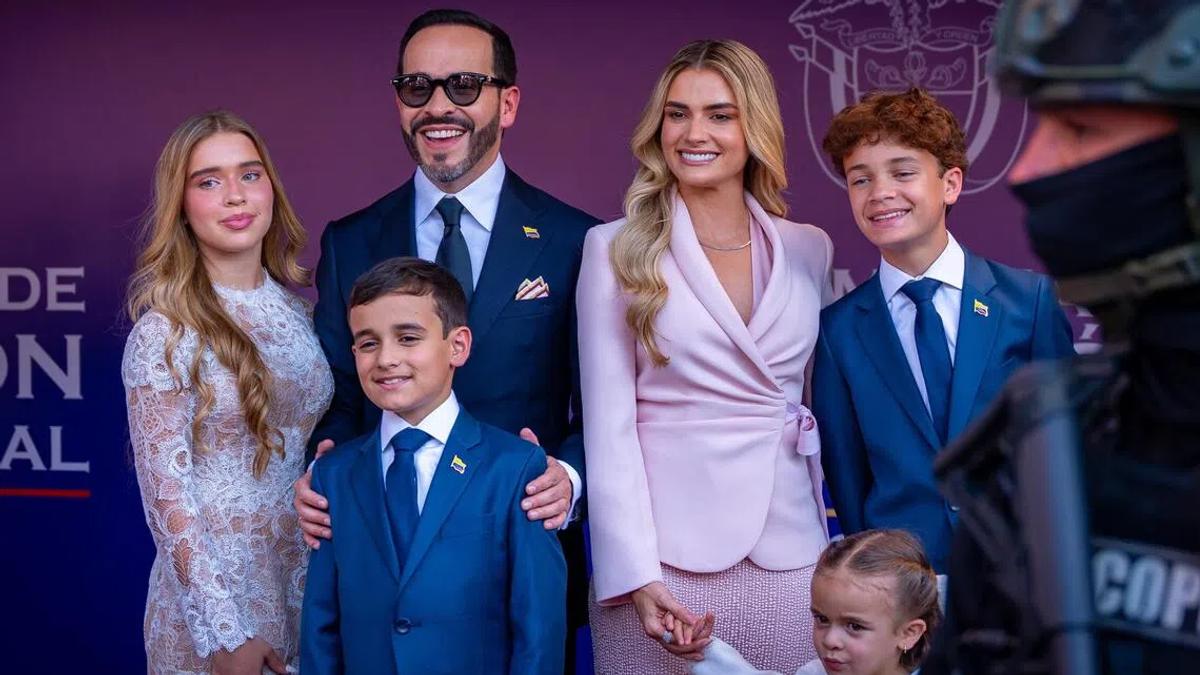
Colombia's new president, Abelardo de la Espriella, faced a bloody welcome on his first day in office, with two bombing attacks targeting infrastructure and a police station. The attacks, which killed one police officer and wounded several, were carried out by FARC guerrilla dissidents and an explosive-equipped drone in different parts of the country.
The bombings are a stark reminder of the ongoing conflict in Colombia, despite the 2016 peace accords. De la Espriella's tough-talking stance on confronting 'narcoterrorism without truce' and ending peace talks with armed groups has likely escalated tensions with guerrilla groups and drug traffickers. His plans to intensify bombing raids against these groups, with support from the United States and Israel, may further exacerbate the situation. The involvement of external actors, such as the US and Israel, adds a complex layer to the conflict, with potential implications for regional stability.
The bombings have caused fear and tension among local residents, with many living in areas dominated by dissident armed groups that control global cocaine production. Roberto Sandoval, a firefighter, described the atmosphere as 'very tense and nervous', while Sonia Zapata, a 68-year-old housewife, felt 'very nervous, very afraid'. The human cost of the conflict is often overlooked, with civilians bearing the brunt of the violence. The bombings have also highlighted the failure of the 2016 peace accords to bring lasting peace to the country.
What is being downplayed by the government and media is the potential for further escalation and the impact on civilians. De la Espriella's confrontational style and plans to intensify bombing raids may lead to more violence and displacement. The role of external actors, such as the US and Israel, in supporting Colombia's military actions is also being downplayed. Furthermore, the fact that pockets of Colombia are still ruled by dissident armed groups suggests that the government's efforts to assert control are incomplete, and that the root causes of the conflict, including poverty and inequality, are not being addressed.
Readers should watch for further escalation of violence and the impact of De la Espriella's policies on the conflict. The response of guerrilla groups and drug traffickers to the government's intensified military actions will be crucial in determining the trajectory of the conflict. Additionally, the role of external actors, such as the US and Israel, in supporting Colombia's military actions will be important to monitor. The humanitarian situation, including the displacement of civilians and the impact on local communities, should also be closely watched.
Editor's Note: The analysis is based on publicly available information and may not reflect the full complexity of the situation on the ground.
Source referenced: STRAITSTIMES
This brief was synthesized by our Editorial Engine and reviewed by The Ground Narrative team.