TRENDING

Monday, 5 October 2026
----------------------
24 Rabi' Al-Thani 1448 AH
As the 2026 midterms enter their final month, record spending, a disgruntled electorate, and a bruised president reshape the contest for Congress and the Senate.
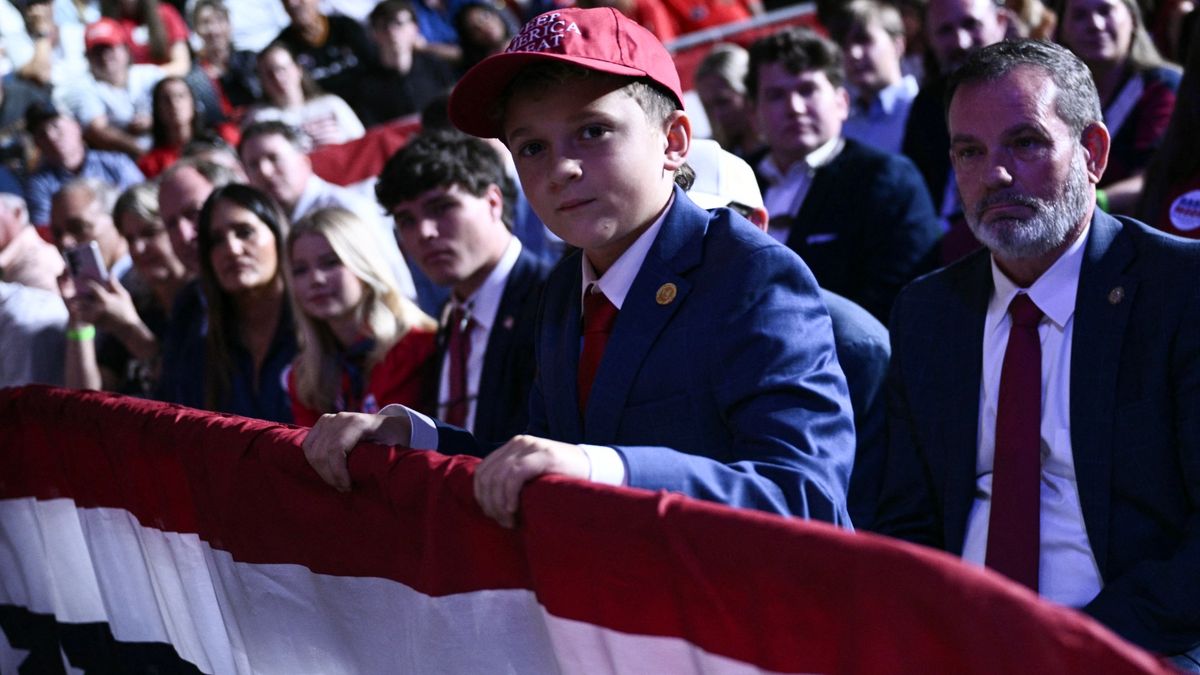
The United States heads into the final stretch of its 2026 midterm elections with Democrats holding a modest lead in the House and a tightening race for a Senate majority. While Donald Trump runs a relentless rally tour, his approval sits at a historic low of 31 percent, and both parties are pouring unprecedented sums into advertising and dark‑money channels.
The midterm battlefield is defined by three intersecting forces: cash, narrative control, and institutional leverage. First, the Republican Party entered September with a cash advantage of roughly $100 million, allowing it to outspend Democrats on television, digital, and ground‑game ads. Super PACs, especially Trump‑aligned MAGA Inc, have earmarked up to $500 million for the final weeks, though only a fraction has been deployed so far. By contrast, the Democratic Party relies on a tighter war chest and a network of progressive donors to fund targeted outreach in swing districts.
Second, the election is being framed as a referendum on Trump’s leadership. His campaign rhetoric positions the midterms as a battle for the soul of the GOP, urging supporters to “vote like I’m on the ballot.” This narrative serves two purposes: it mobilises the base while deflecting attention from the party’s broader persuasion problem among independents, who currently favor Democrats 57‑32 according to recent polls.
Third, control of the US House and US Senate carries concrete institutional stakes. A Democratic majority in the House would revive investigations into Trump’s family businesses and grant the party leverage over the executive agenda. In the Senate, a net gain of four seats could flip control, reshaping committee assignments, confirmation votes, and the ability to block or advance legislation on issues ranging from the US‑Israel war with Iran to AI regulation.
The confluence of money, messaging, and institutional payoff creates a feedback loop: donors chase seats where the payoff in policy influence is highest, while candidates tailor their platforms to attract those funds, often at the expense of local concerns.
Across the country, everyday Americans are feeling the pinch of a soaring cost of living. Gas prices have spiked due to the ongoing US‑Israel conflict with Iran, and consumer confidence has slipped to its lowest level since 2014. For low‑income households, higher fuel costs translate into reduced disposable income, making the prospect of a new tax or regulatory burden especially threatening.
The relentless barrage of campaign ads—estimated to exceed $1.5 billion across all media—has saturated public spaces, from radio to social feeds. Residents in swing districts report “ad fatigue,” where the sheer volume of partisan messaging erodes trust in any political actor. This cynicism is most acute among younger voters, who cite corruption and immigration rhetoric as primary reasons for disengagement.
Behind the glossy rally footage are thousands of low‑wage staffers, many of whom are recent immigrants or students, working long hours for piece‑rate pay. Their labor keeps the campaign machinery humming, yet they receive little in the way of benefits or job security, reflecting a broader trend of precarious work in the political industry.
While the headline numbers focus on party committees, a parallel stream of “dark money”—estimated at over $1 billion—flows through nonprofit shells and industry‑specific Super PACs. Crypto, AI, and online betting firms have poured funds into both Republican and Democratic races, seeking regulatory favor or market stability. Because donor identities are masked, voters receive no clear signal about whose interests are being bought.
National outlets have largely framed the midterms as a personal referendum on Trump, sidelining deeper structural issues such as the impact of the US‑Israel war on global oil markets or the long‑term fiscal implications of defense spending. By concentrating the narrative on a single polarising figure, the media inadvertently shields corporate donors and defense contractors from scrutiny.
Amid the spending war, little attention is paid to the integrity of voting systems. Funding for election security has been uneven, with many local jurisdictions lacking resources to upgrade hardware or train poll workers. This gap creates a vulnerability that could affect turnout, especially in marginalized communities that already face barriers to voting.
The next few weeks will crystallise several key dynamics. First, monitor the allocation of dark‑money spending in the final advertising push; spikes in specific states may signal targeted industry lobbying. Second, watch how independent voters in the Midwest respond to the base‑turnout strategy versus persuasion attempts—shifts here could tip close Senate races in Iowa, Maine, and Ohio. Finally, keep an eye on any legislative moves related to election security or campaign finance reform that surface in the lame‑duck session; these will reveal which power brokers are preparing for the next electoral cycle.
In sum, the 2026 midterms are less about a single personality clash and more about a high‑stakes contest where money, institutional control, and voter discontent intersect. Understanding who funds the messages, whose lives are disrupted by the policy stakes, and what is being left out of the public conversation is essential for anyone trying to gauge the future direction of American governance.
By mid‑September, at least $4 billion had been spent on advertising, with Republicans outspending Democrats roughly 888 million to 666 million dollars and dark‑money contributions topping $1 billion.
Voters cite the economy, high gas prices linked to the US‑Israel war with Iran, immigration policy, and perceived corruption as top concerns, with many feeling angry about unmet promises from the current administration.
Key battlegrounds include Ohio, Texas, and Michigan, where Republican candidates have a spending edge, as well as tighter contests in Iowa and Maine that could decide control of the Senate.
Editor's Note: Analysis based on publicly reported polling, spending data, and expert commentary up to early October 2026.
Source referenced: ALJAZEERA
This brief was synthesized by our Editorial Engine and reviewed by The Ground Narrative team.