TRENDING

Monday, 5 October 2026
----------------------
24 Rabi' Al-Thani 1448 AH
Abelardo de la Espriella's inauguration as Colombia's president marks a significant shift to the right, with vows to tackle armed groups and boost ties with the US. But what does this mean for the country's stability and its people? De la Espriella's win is part of a broader trend of right-wing politics gaining traction in Latin America, with potential implications for regional security and US influence.
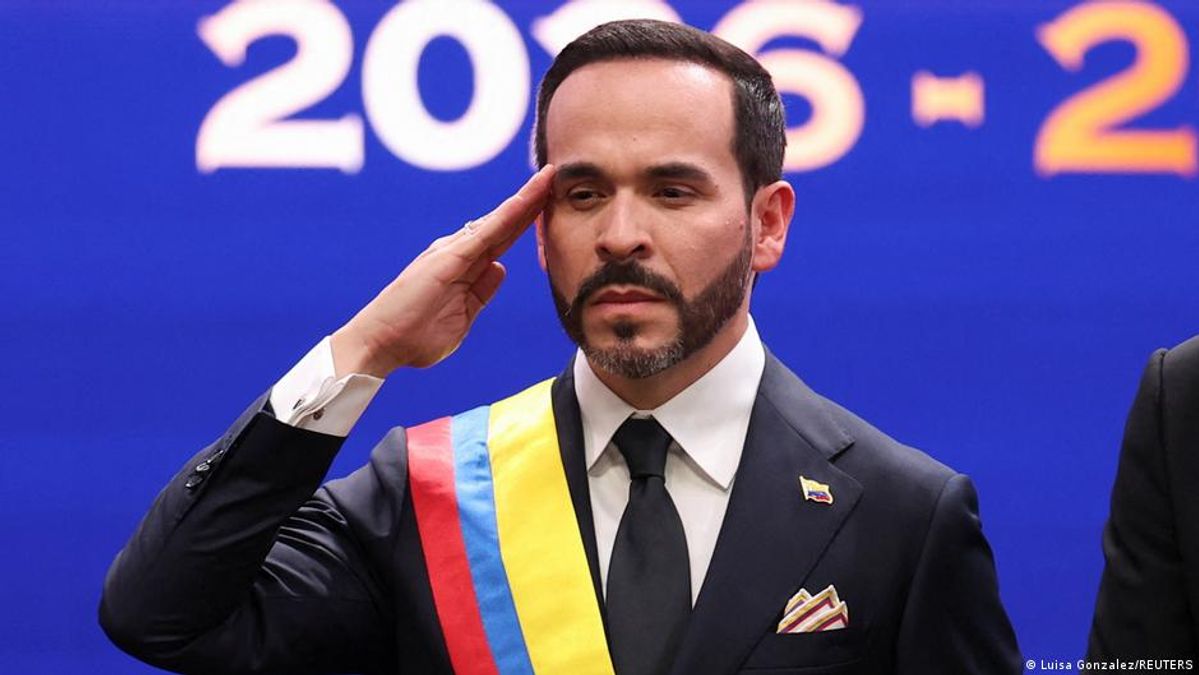
Abelardo de la Espriella has been sworn in as Colombia's 43rd president, promising to tackle armed groups linked to the drug trade and boost ties with the United States. The 48-year-old ex-lawyer won a close runoff against Sen. Ivan Cepeda, an ally of outgoing President Gustavo Petro, and has vowed to wipe out 'narcoterrorism' in the South American country.
De la Espriella's rise to power is not an isolated event, but rather part of a broader trend of right-wing politics gaining traction in Latin America. His win is a significant victory for US President Donald Trump, who has backed De la Espriella's commitment to a US-backed coalition to fight drug trafficking. De la Espriella has also announced plans to forge a military alliance with the US and Israel, and to host US troops on Colombian soil. This shift to the right is likely to have significant implications for regional security and US influence in the region.
The people of Colombia, particularly those living in areas affected by the drug trade and armed conflict, will bear the human cost of De la Espriella's policies. The new president's vow to wipe out 'narcoterrorism' and his plans to open mega-prisons to house captured rebels and drug dealers may lead to increased violence and instability in the short term. Additionally, De la Espriella's plans to sever diplomatic relations with Cuba and Nicaragua may have significant implications for the region's poor and vulnerable populations, who rely on these countries for economic and social support.
What is being downplayed in De la Espriella's inauguration is the potential for increased US military involvement in Colombia and the region. De la Espriella's plans to host US troops on Colombian soil and to forge a military alliance with the US and Israel may lead to a significant increase in US military presence in the region. This could have significant implications for regional stability and may lead to increased tensions with other countries in the region, particularly those with left-leaning governments.
Readers should watch for the implementation of De la Espriella's policies, particularly his plans to tackle armed groups and boost ties with the US. The reaction of other countries in the region, particularly those with left-leaning governments, will also be important to watch. Additionally, the impact of De la Espriella's policies on the people of Colombia, particularly those living in areas affected by the drug trade and armed conflict, will be crucial to monitor. The potential for increased US military involvement in the region and the implications for regional stability will also be important to watch in the coming months.
Editor's Note: The analysis is based on publicly available information and may not reflect the full complexity of the situation on the ground.
Source referenced: DW
This brief was synthesized by our Editorial Engine and reviewed by The Ground Narrative team.


