TRENDING

Monday, 5 October 2026
----------------------
24 Rabi' Al-Thani 1448 AH
Colombia's far-right government has recognised Israel's claim over the occupied Syrian Golan Heights, joining the US as the only countries to do so. This move has significant implications for the region and beyond. The decision is a strategic alignment with the US and Israel, reflecting Colombia's new government's priorities and ideology.
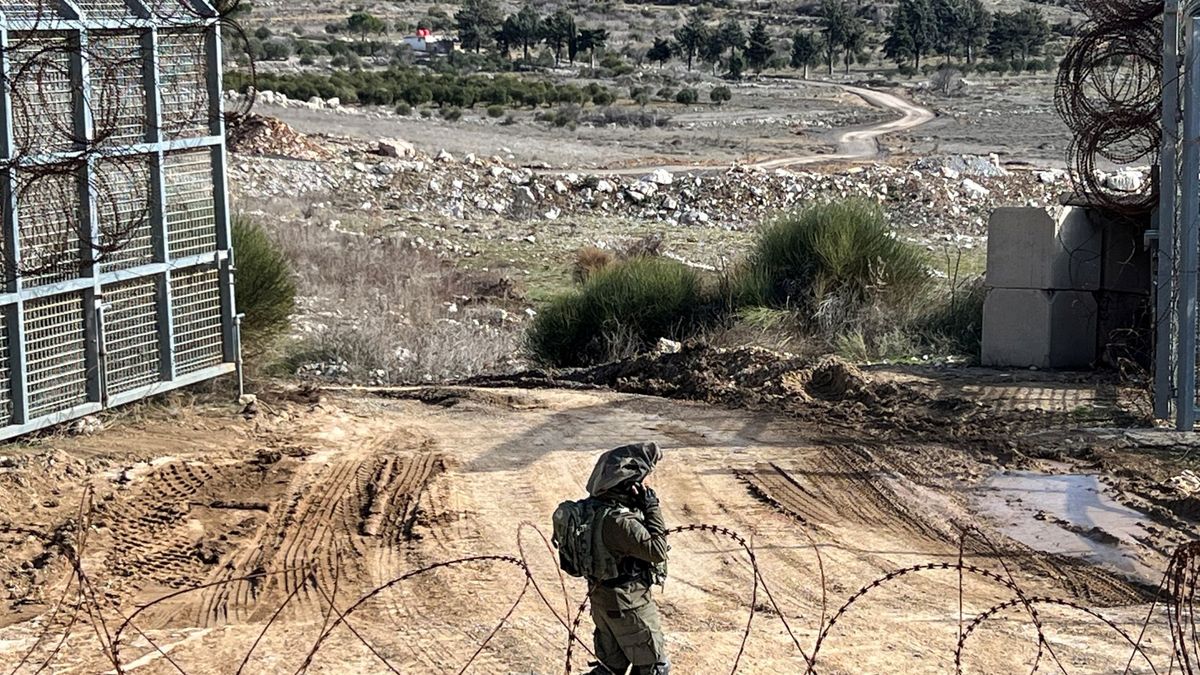
Colombia, under its new far-right government led by President Abelardo de la Espriella, has recognised Israel's sovereignty over the occupied Syrian Golan Heights. This move makes Colombia the second country, after the United States, to acknowledge Israel's claim over the territory, which was annexed in 1981. The recognition is a significant development in the complex geopolitics of the Middle East and reflects a deepening alliance between Colombia, the US, and Israel.
The recognition of Israel's sovereignty over the Golan Heights by Colombia is not an isolated event but part of a broader strategic realignment. President de la Espriella's government has made it clear that it intends to strengthen ties with the US and Israel, a stance that contrasts sharply with the policies of his predecessor, Gustavo Petro. This shift is driven by a combination of factors, including the desire to combat armed groups within Colombia and to align with powerful international partners. The move also reflects the influence of the US, which was the first country to formally recognise Israel's claim over the Golan Heights in 2019 under President Donald Trump. This recognition is part of a larger pattern of the US supporting Israeli expansionist policies in the region.
The human cost of this recognition is likely to be felt most acutely by the Syrian people, who have already suffered greatly due to the conflict in their country. The Golan Heights are a strategic and resource-rich area, and Israel's continued control over the territory means that Syria is denied access to these resources. Furthermore, the recognition by Colombia, and previously by the US, undermines the international consensus that the Golan Heights are occupied territory and should be returned to Syria. This undermines efforts towards a peaceful resolution of the conflict and could embolden Israel to further expand its territorial control, potentially leading to more displacement and suffering for the Syrian people.
What is being downplayed in the official statements is the significant opposition to this move from the international community. The United Nations has consistently maintained that the Golan Heights are part of Syria, and the recognition of Israeli sovereignty by Colombia and the US is seen as a violation of international law. Additionally, the timing of Colombia's recognition, coming as it does after the collapse of Bashar al-Assad's government in Syria and Israel's expansion of its military footprint in the region, suggests a coordinated effort to reshape the geopolitical landscape of the Middle East. The role of the US in influencing Colombia's decision and the potential for this move to destabilise the region further are also being underplayed.
In the coming weeks and months, it will be crucial to watch how the international community responds to Colombia's recognition of Israel's sovereignty over the Golan Heights. The reactions of other countries in South America, the European Union, and the Arab world will be particularly significant. Additionally, the impact of this move on the peace process in the Middle East, if it can be said to exist at all, will need to be closely monitored. The expansion of Israel's military presence in Syria and the potential for further conflict in the region are also key areas to watch. Ultimately, the recognition by Colombia of Israel's claim over the Golan Heights is a significant development that reflects deeper shifts in global power dynamics and alliances, with profound implications for regional and international security.
Editor's Note: The analysis is based on current events and publicly available information. However, the future implications of Colombia's recognition of Israel's sovereignty over the Golan Heights may evolve as more details emerge.
Source referenced: ALJAZEERA
This brief was synthesized by our Editorial Engine and reviewed by The Ground Narrative team.


