TRENDING

Sunday, 4 October 2026
----------------------
23 Rabi' Al-Thani 1448 AH
Chinese Foreign Minister Wang Yi's comments on US-Iran talks in a meeting with Saudi counterpart Prince Faisal bin Farhan Al Saud signal a significant shift in China's diplomatic efforts in the Gulf region.
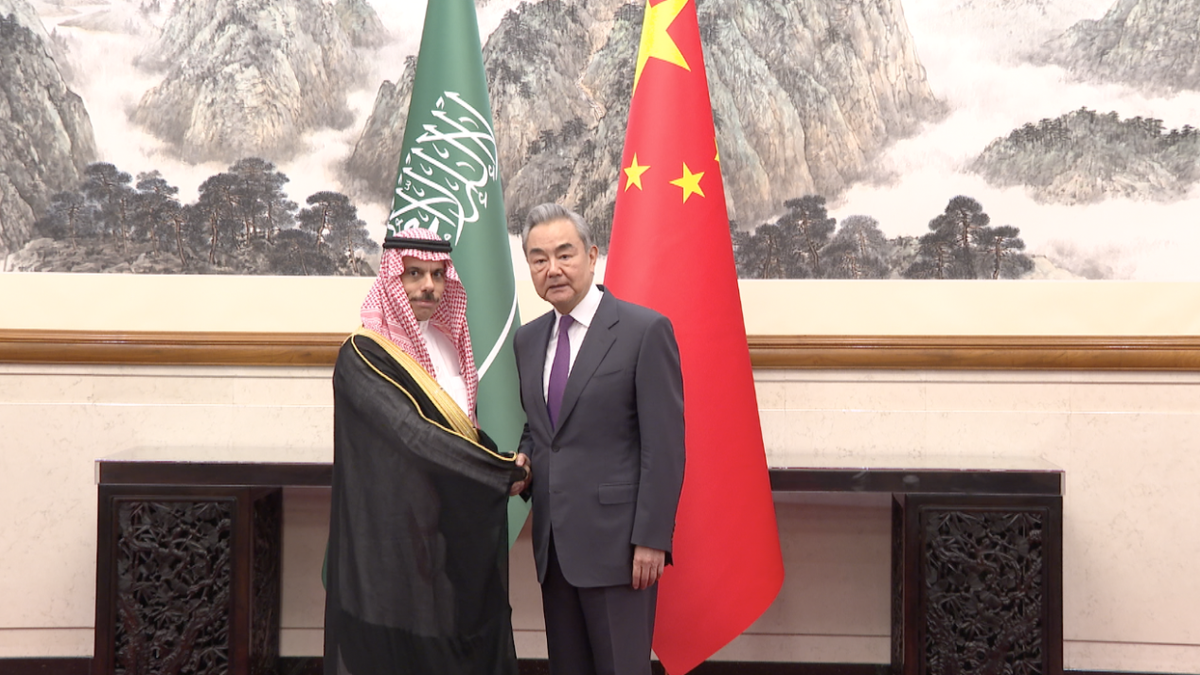
China's Foreign Minister Wang Yi recently met with Saudi Arabia's Prince Faisal bin Farhan Al Saud, marking a significant moment in the two countries' comprehensive strategic partnership. As they celebrated the 10th anniversary of their partnership, Wang and Prince Faisal pledged to deepen cooperation across various areas. However, the talks also touched on the current instability in the Gulf region, with Wang addressing the ongoing tensions between the US and Iran.
Wang's comments on the US-Iran talks are noteworthy, as he emphasized the importance of negotiations and the need for long-term peace and stability in the region. China's willingness to work with Saudi Arabia to ease tensions and promote peace is a significant development, given the country's growing influence in the region. This shift in China's diplomatic efforts may be a response to the changing geopolitical landscape, where the US is increasingly focused on the Indo-Pacific region.
The Gulf region has long been a critical area of interest for China, with the country seeking to secure its energy supplies and expand its economic influence. China's strategic partnership with Saudi Arabia is a key component of its efforts to establish itself as a major player in the region. The partnership has enabled China to gain access to Saudi Arabia's vast oil reserves and secure its energy supplies.
However, the current instability in the Gulf region poses a significant challenge to China's efforts. The ongoing tensions between the US and Iran have created an environment of uncertainty, which could impact China's economic interests in the region. Wang's comments on the need for long-term peace and stability in the region are a reflection of China's concerns about the potential consequences of further escalation.
China's diplomatic efforts in the Gulf region are driven by a combination of strategic and economic motivations. The country seeks to secure its energy supplies, expand its economic influence, and establish itself as a major player in the region. Wang's comments on the US-Iran talks and China's willingness to work with Saudi Arabia to ease tensions and promote peace are a reflection of these motivations.
However, the future consequences of China's diplomatic efforts in the Gulf region are uncertain. The ongoing tensions between the US and Iran could continue to create an environment of uncertainty, which could impact China's economic interests in the region. Additionally, the rise of other regional players, such as Turkey and Iran, could further complicate the geopolitical landscape.
China's diplomatic efforts in the Gulf region are a significant development, reflecting the country's growing influence in the region. Wang's comments on the US-Iran talks and China's willingness to work with Saudi Arabia to ease tensions and promote peace are a reflection of China's strategic motivations and economic interests. However, the future consequences of China's diplomatic efforts in the Gulf region are uncertain, and the ongoing tensions between the US and Iran could continue to create an environment of uncertainty.
Editor's Note: While China's motivations and strategic priorities are clear, the future consequences of its diplomatic efforts in the Gulf region are uncertain.
Source referenced: CGTN
This brief was synthesized by our Editorial Engine and reviewed by The Ground Narrative team.


