TRENDING

Monday, 5 October 2026
----------------------
24 Rabi' Al-Thani 1448 AH
Chinese enterprises have donated 100 tons of earthquake relief supplies to Venezuela, a move that underscores Beijing's expanding soft power and strategic engagement in Latin America. This humanitarian gesture reinforces bilateral ties and China's role as a key partner in a region traditionally dominated by Western influence.
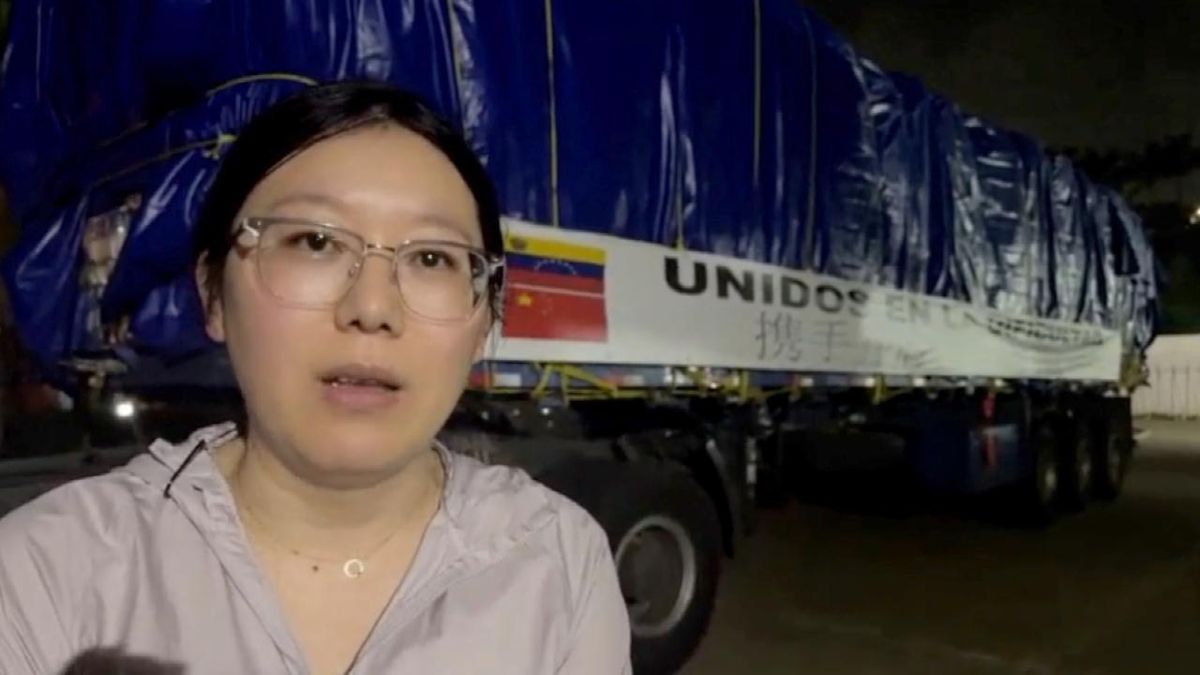
In a significant display of humanitarian diplomacy, Chinese enterprises operating in Venezuela have delivered 100 tons of earthquake relief supplies to the South American nation. This aid, provided since twin earthquakes struck Venezuela, was coordinated by the Chamber of Chinese Enterprises in Venezuela, with its unit head, Cao Sha, confirming the ongoing donation campaign. While ostensibly a humanitarian effort to assist tens of thousands of affected Venezuelan families, this initiative carries substantial geopolitical weight, reflecting China's broader strategy of expanding its influence and solidifying partnerships in Latin America.
The provision of aid by Chinese enterprises is not merely an act of charity but a reinforcement of the deep and multifaceted relationship between China and Venezuela. For years, China has been a crucial economic and political ally for Venezuela, particularly as Caracas has faced increasing international isolation and sanctions from Western powers. China has invested heavily in Venezuela's energy sector, infrastructure, and technology, becoming one of its largest creditors and trading partners. This economic engagement is underpinned by a strategic interest in Venezuela's vast oil reserves and its position as a gateway to the broader Latin American market.
Humanitarian assistance in times of crisis serves to strengthen goodwill and demonstrate reliability, thereby safeguarding existing investments and paving the way for future cooperation. By stepping in with tangible support when Venezuela is vulnerable, China enhances its image as a dependable partner, contrasting with the often conditional or politically charged aid offered by other global actors.
China's growing presence in Latin America is a key component of its global foreign policy, aimed at fostering a multipolar world order. Through initiatives like the Belt and Road Initiative (BRI), though not explicitly mentioned in this context, China seeks to integrate economies and build infrastructure across continents. Humanitarian aid, such as the earthquake relief to Venezuela, is a potent instrument of soft power, allowing Beijing to project a benevolent image and cultivate long-term relationships without direct military or political intervention. This approach helps to counter the traditional influence of the United States in its historical 'backyard' and offers regional nations an alternative development and partnership model.
The timing and nature of this aid also highlight China's capacity for rapid response and its commitment to its partners, even those facing significant internal and external challenges. This capability underscores China's emergence as a global power with the resources and willingness to act on the international stage, extending its reach beyond traditional spheres of influence.
For Venezuela, the Chinese aid provides much-needed relief to its population, which has been grappling with economic hardship and infrastructure deficiencies exacerbated by natural disasters. From a geopolitical perspective, it reaffirms Venezuela's alignment with China and other non-Western powers, offering a lifeline against external pressures. This continued support from Beijing allows Caracas greater diplomatic maneuverability and resilience in the face of international sanctions.
Looking ahead, such humanitarian gestures are likely to become an increasingly common feature of China's foreign policy, particularly in regions where it seeks to expand its economic and strategic footprint. The aid to Venezuela exemplifies a calculated strategy to deepen bilateral ties, enhance China's global standing, and subtly reshape the geopolitical landscape of Latin America. It underscores the evolving dynamics of international relations, where humanitarian assistance is often intertwined with broader strategic objectives, contributing to China's long-term vision of a more interconnected and China-centric global order.
This event, while localized in its immediate impact, serves as a microcosm of China's sophisticated approach to international relations, blending economic engagement, diplomatic outreach, and humanitarian support to achieve its strategic goals on a global scale.
Source referenced: CGTN
This brief was synthesized by our Editorial Engine and reviewed by The Ground Narrative team.