TRENDING

Monday, 5 October 2026
----------------------
24 Rabi' Al-Thani 1448 AH
The recent earthquakes in Venezuela have resulted in a devastating death toll of 6,301, with many more still missing. As the country struggles to recover, it's essential to examine the power dynamics at play and the human cost of this disaster. The international community's response to the crisis has been limited, and the Venezuelan government's handling of the situation has raised concerns about corruption and mismanagement.
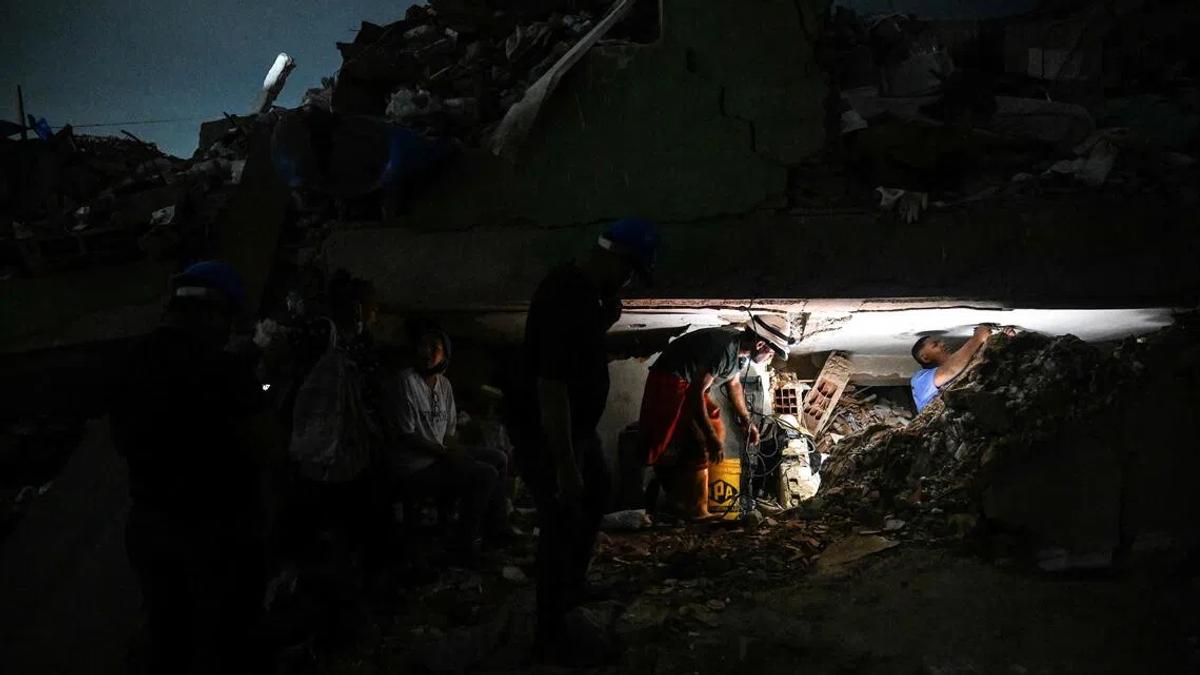
The twin earthquakes that struck Venezuela in June have left a trail of destruction, with the death toll rising to 6,301. The worst-hit state of La Guaira has seen around 1,400 people remain missing, and over 24,000 have been left homeless. The earthquakes have also had a ripple effect, with a recent 7.4-magnitude tremor in neighboring Colombia forcing many Venezuelans to relive difficult memories of their own troubles.
The Venezuelan government's response to the crisis has been criticized for being slow and inadequate. The central government has not provided a clear account of the number of people still missing, and the distribution of aid has been marred by allegations of corruption. The international community's response has also been limited, with many countries hesitant to provide aid due to concerns about the government's handling of the crisis. The lack of transparency and accountability has exacerbated the human cost of the disaster, with many Venezuelans feeling abandoned by their government and the international community.
The people of Venezuela, particularly those in the worst-hit areas, are bearing the brunt of the disaster. Many have lost loved ones, homes, and livelihoods, and are struggling to access basic necessities like food, water, and shelter. The psychological trauma caused by the earthquakes and the subsequent relief efforts has also been significant, with many Venezuelans experiencing anxiety, depression, and post-traumatic stress disorder. The most vulnerable populations, including children, women, and the elderly, are disproportionately affected by the crisis, and their needs must be prioritized in the relief efforts.
What is being downplayed in the official statements is the extent of the corruption and mismanagement that has plagued the relief efforts. There are allegations that aid is being diverted to loyal supporters of the government, and that the distribution of resources is being used as a tool for political leverage. The international community's hesitation to provide aid is also being downplayed, with many countries citing concerns about the government's human rights record and lack of transparency. The true extent of the human cost of the disaster is also being obscured, with many Venezuelans feeling that their stories and struggles are being ignored by the government and the international community.
As the situation in Venezuela continues to unfold, it's essential to watch for signs of increased transparency and accountability from the government. The international community must also be willing to provide aid and support, while ensuring that it reaches those who need it most. The Venezuelan people must be at the center of the relief efforts, and their needs and concerns must be prioritized. The upcoming weeks and months will be crucial in determining the trajectory of the crisis, and it's essential to stay vigilant and informed about the developments on the ground.
Editor's Note: The analysis is based on publicly available information and may not reflect the full complexity of the situation on the ground.
Source referenced: STRAITSTIMES
This brief was synthesized by our Editorial Engine and reviewed by The Ground Narrative team.


