TRENDING

Wednesday, 23 September 2026
----------------------
12 Rabi' Al-Thani 1448 AH
Chinese Foreign Minister Wang Yi has called for the swift normalization of shipping through the Strait of Hormuz, emphasizing its critical role in global supply chains. This diplomatic push follows a significant Iran-US Memorandum of Understanding, signaling China's deepening strategic engagement in Middle East stability and a potential shift in regional power dynamics.
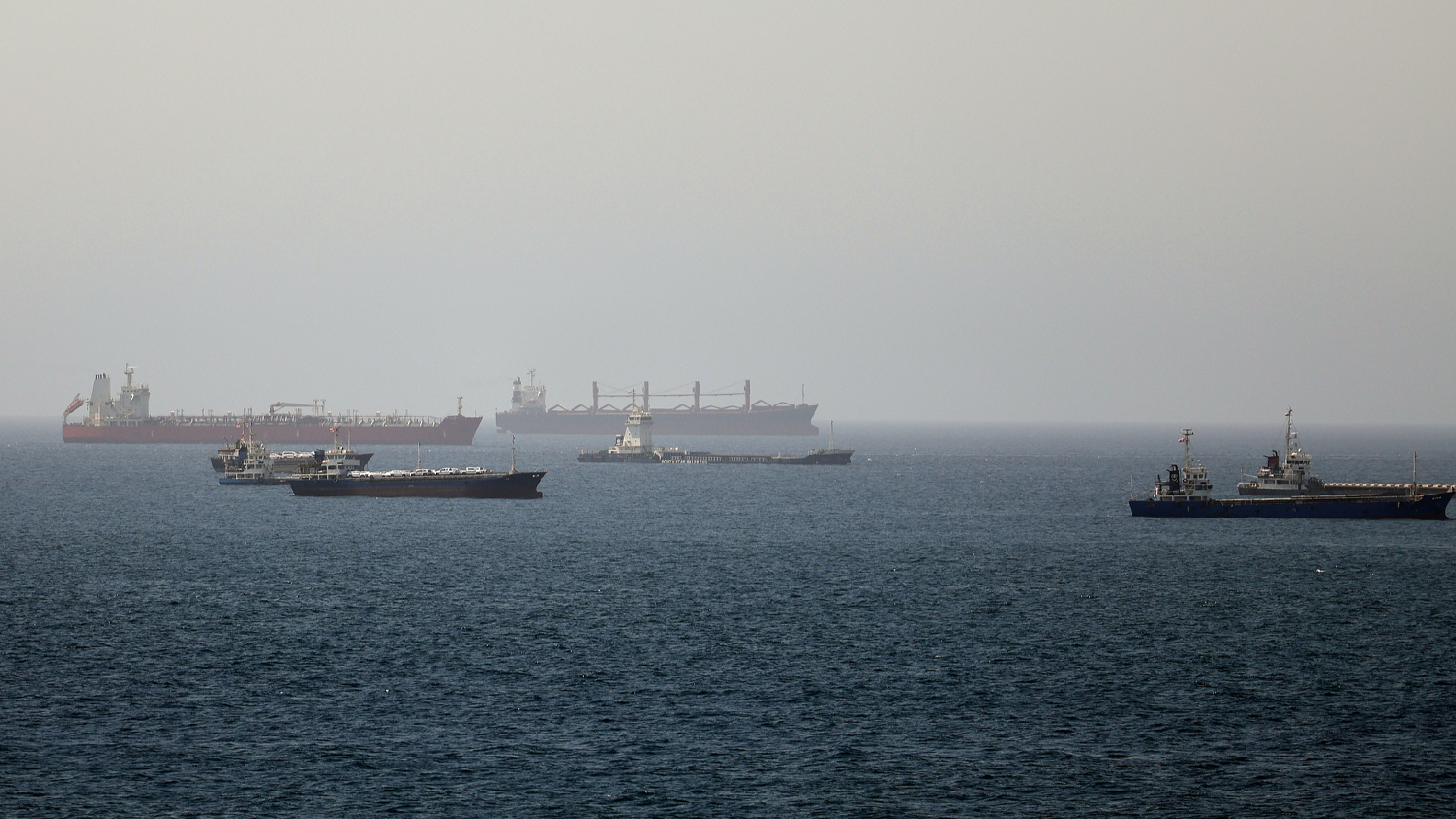
Chinese Foreign Minister Wang Yi has underscored the critical importance of normalizing navigation through the Strait of Hormuz, advocating for its swift restoration to safeguard global industrial and supply chains. These remarks, made during a phone conversation with Pakistan's Deputy Prime Minister and Foreign Minister Mohammad Ishaq Dar on June 25, 2026, highlight China's deepening strategic engagement in the Middle East, particularly in the wake of a significant Memorandum of Understanding (MoU) between Iran and the United States. Beijing's proactive stance reflects its multifaceted interests in regional stability, energy security, and the broader global economic order.
The Strait of Hormuz, a narrow waterway connecting the Persian Gulf with the Gulf of Oman and the Arabian Sea, is arguably the world's most vital oil transit chokepoint. An estimated one-fifth of global oil consumption and a significant portion of liquefied natural gas (LNG) pass through this strait daily. For China, the stability of this maritime artery is paramount. As the world's largest energy consumer and a major importer of Middle Eastern oil and gas, any disruption in Hormuz directly threatens China's energy security and, by extension, its economic growth and the stability of its vast manufacturing and export-oriented economy. Beijing's call for "normal navigation" is thus a direct articulation of its core economic and strategic interests, emphasizing the interconnectedness of regional security with global economic stability.
A pivotal development preceding Wang Yi's statement was the signing of an MoU between Iran and the United States. While the specifics of this agreement remain undisclosed in the provided information, its existence, and China's acknowledgement of Pakistan's "key and unique role" in its facilitation, suggest a potential de-escalation of tensions between two long-standing adversaries. China views this MoU as a positive initial step, aligning with Iran's "fundamental and long-term interests" and the "shared expectation of the international community." This development is significant because it indicates a diplomatic pathway, however nascent and challenging, to address the complex dynamics that have historically fueled instability in the Gulf region. China's willingness to "work with all parties to firmly support the negotiations to advance without interference" signals its commitment to fostering a conducive environment for dialogue and peace.
Beyond the immediate concern for the Strait of Hormuz, Wang Yi outlined three key priorities for the next stage of regional engagement. First, he stressed the absolute necessity of consolidating a comprehensive ceasefire and cessation of war, warning against any reignition of conflict. This priority reflects a broader Chinese foreign policy objective to promote peaceful resolution of disputes and prevent regional conflicts from escalating, which could destabilize global markets and supply chains. Second, the call for normalized shipping through Hormuz, while respecting the sovereignty and legitimate rights of bordering states and conforming to international practices, reiterates China's commitment to freedom of navigation and the rule of law in international waters, albeit with a nuanced emphasis on regional ownership.
Third, and perhaps most strategically significant, Wang Yi advocated for Middle Eastern countries to "improve their relations and exploring a new regional security architecture." This vision explicitly rejects the notion of the Middle East serving as an "arena for great power competition or a victim of geopolitics." Instead, it champions "genuine strategic autonomy" for regional states, empowering them to "firmly keep their future in their own hands." This proposition subtly challenges the traditional security paradigms in the region, often dominated by external powers, and aligns with China's broader push for a multipolar world order where regional issues are resolved by regional actors. Beijing's growing diplomatic footprint, exemplified by its role in facilitating the Saudi-Iran rapprochement in 2023, underscores its ambition to be a constructive, non-interventionist power in the region, offering an alternative to Western security frameworks.
Finally, Wang Yi reiterated China's long-standing position on the Palestinian issue, identifying it as the "core of the Middle East issue." He urged regional countries to adopt a "more unified voice and take more coordinated actions" to implement the two-state solution, aiming for lasting peace and stability. This stance resonates deeply within the Arab world and further solidifies China's diplomatic credibility and influence among Middle Eastern nations.
In essence, China's recent diplomatic overtures, articulated through Foreign Minister Wang Yi, represent a comprehensive strategy to secure its economic interests, enhance its geopolitical influence, and promote a vision of regional stability in the Middle East. By supporting an Iran-US MoU, advocating for Hormuz normalization, and championing a new, autonomous regional security architecture, Beijing is positioning itself as a key player in shaping the future of a region vital to global energy, trade, and power dynamics. The path to lasting peace and stability in the Middle East remains "long, even tortuous and difficult," as Wang Yi noted, but China is clearly signaling its intent to be a central actor in navigating this complex journey.