TRENDING

Thursday, 15 October 2026
----------------------
4 Jumada Al-Awwal 1448 AH
A devastating gas explosion at a coal mine in China's Shanxi province has claimed at least 90 lives, highlighting the persistent challenges in balancing energy security with industrial safety. The incident prompts critical examination of China's governance, energy policy, and the human cost of its reliance on coal.
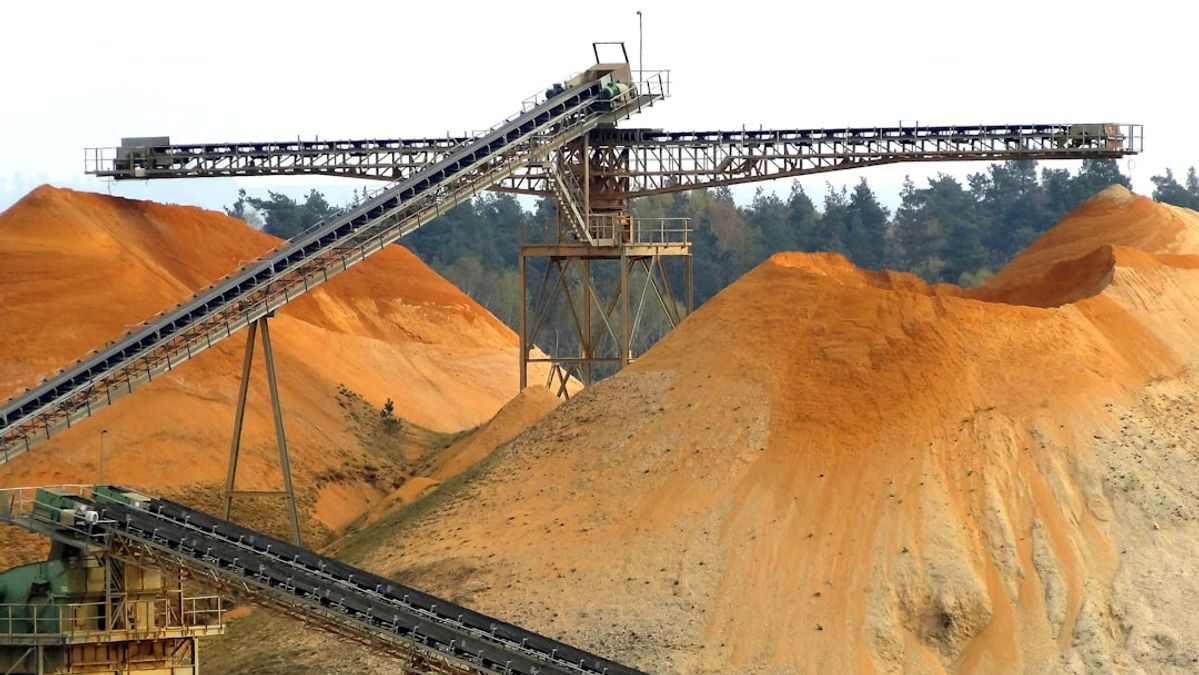
A gas explosion at the Liushenyu coal mine in China's Shanxi province on a recent Friday evening has resulted in a tragic loss of life, with at least 90 workers confirmed dead and nine still unaccounted for. The incident, which occurred when hundreds of miners were underground, immediately triggered an extensive rescue operation and a swift response from Beijing, underscoring the persistent and complex challenges China faces in balancing its vast energy demands with critical industrial safety standards.
The catastrophic blast, attributed to a gas explosion, plunged the Liushenyu mine into chaos, trapping numerous workers. Emergency services were mobilized rapidly, with President Xi Jinping issuing a direct order for "all-out rescue efforts." This high-level intervention reflects the central government's acute awareness of the social and political sensitivities surrounding major industrial accidents. In a move signaling accountability, authorities have already detained a company official as investigations into the cause of the explosion commence. Such swift action is characteristic of Beijing's approach to large-scale disasters, aiming to demonstrate firm governance and mitigate potential public discontent.
This tragedy unfolds against the backdrop of China's profound reliance on coal, which continues to constitute the largest share of its energy mix, powering its massive industrial base and supporting its economic growth. Shanxi province, where the incident occurred, is one of China's most significant coal-producing regions, making it a critical hub for national energy security. The inherent dangers of coal mining, particularly the risk of gas explosions, rockfalls, and flooding, have historically made it one of the world's most hazardous professions. Despite decades of concerted efforts by the Chinese government to improve safety standards, consolidate smaller, riskier mines, and implement stricter regulations, major accidents continue to occur, albeit with reduced frequency compared to earlier periods.
The persistence of such incidents points to a complex interplay of factors, including the immense pressure to meet production quotas, the potential for regulatory loopholes or lax enforcement at local levels, and the sheer scale and geological complexity of China's mining operations. Each major accident reignites public debate and official scrutiny over the effectiveness of existing safety protocols and the balance between economic output and worker welfare.
From a geopolitical perspective, the Liushenyu mine disaster carries several significant implications:
* Energy Security vs. Human Cost: The incident starkly highlights the human cost associated with China's energy security strategy. While Beijing is investing heavily in renewable energy sources, coal remains indispensable for its immediate energy needs. This reliance means that the risks inherent in coal extraction will continue to be a critical domestic policy challenge, potentially influencing the pace and scale of its energy transition efforts.
* Governance and Regulatory Oversight: The central government's response, including President Xi's directive and the detention of a company official, serves as a test of its capacity for effective governance and regulatory enforcement across its vast industrial landscape. The ability to ensure compliance with safety standards, particularly in critical sectors like mining, is crucial for maintaining social stability and projecting an image of competent leadership both domestically and internationally.
* Social Stability and Public Trust: Large-scale industrial accidents can erode public trust and fuel social unrest, especially in communities heavily reliant on the mining industry. The government's handling of the aftermath, including compensation for victims' families and transparent investigations, is vital for managing public sentiment and preventing broader social discontent.
* International Image and Sustainability Goals: As China increasingly positions itself as a global leader and advocates for sustainable development, major industrial accidents can complicate its international image. Such events draw attention to the environmental and human rights aspects of its industrial practices, potentially impacting its soft power and its narrative on responsible global leadership, particularly in contrast to its ambitious climate commitments.
The Liushenyu mine explosion will undoubtedly trigger renewed nationwide safety inspections and potentially lead to further crackdowns on unsafe mining practices. While the immediate focus will be on rescue and investigation, the long-term implications will likely reinforce the strategic imperative for China to accelerate its energy diversification away from coal. However, given the scale of its energy demands, coal will remain a significant component of China's energy mix for the foreseeable future, ensuring that the tension between production, safety, and environmental concerns will continue to be a defining feature of its industrial policy.
This tragic event serves as a somber reminder of the ongoing challenges faced by the world's largest industrial power in balancing rapid economic development with the fundamental imperative of protecting its workforce and ensuring sustainable, safe operations.
Source referenced: ALJAZEERA
This brief was synthesized by our Editorial Engine and reviewed by The Ground Narrative team.