TRENDING

Monday, 5 October 2026
----------------------
24 Rabi' Al-Thani 1448 AH
Brazil's Agriculture Ministry has introduced new inspection procedures for meat and meat derivatives to comply with EU trade requirements, preventing a potential ban on Brazilian exports.
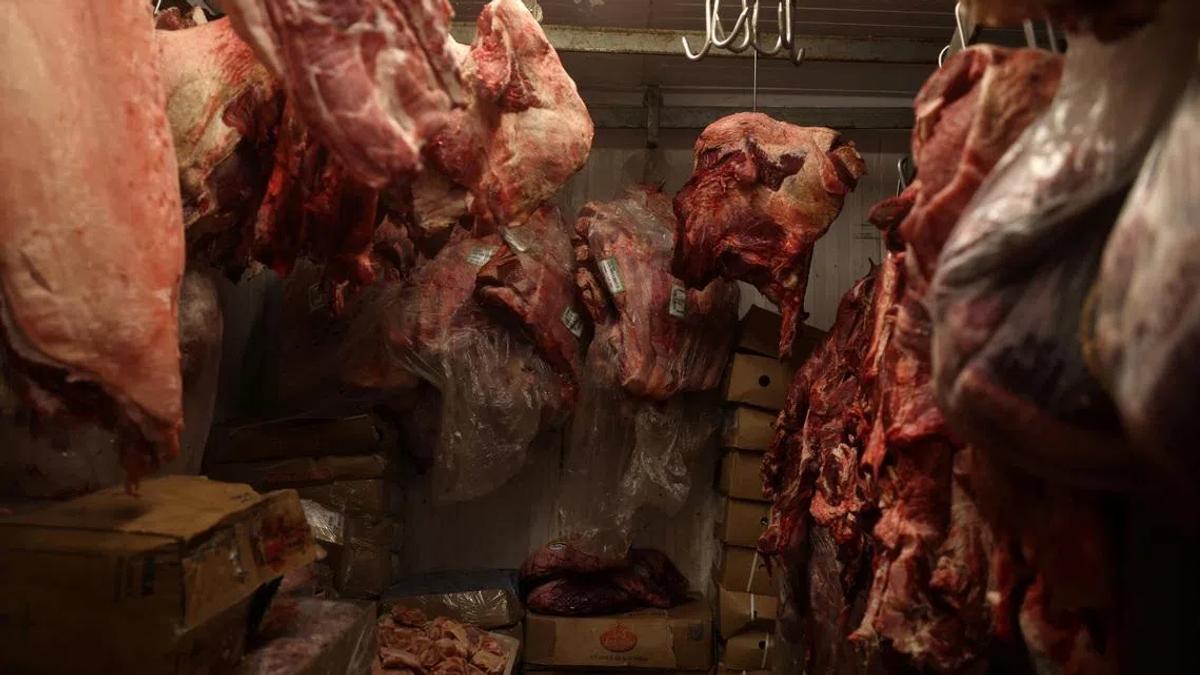
Brazil's Agriculture Ministry has initiated new inspection procedures for the production of meat and meat derivatives to address trade requirements from the European Union. This move comes as the EU has announced plans to ban imports of certain Brazilian products, including beef, poultry, eggs, and live animals, starting in September.
The EU's ban is linked to its rules restricting the use of certain antimicrobial substances in food-producing animals. Brazil's new regulations aim to prevent the ban by ensuring compliance with EU standards. This development has significant implications for Brazil's agricultural sector, which relies heavily on exports to the EU.
Brazil has long been a major player in the global meat market, with the EU being one of its largest export destinations. However, the country has faced criticism from the EU and other countries over its use of antimicrobial substances in agriculture. This has led to trade tensions and potential losses for Brazilian exporters.
The implementation of new regulations by Brazil's Agriculture Ministry is a strategic move to maintain its market share in the EU. By ensuring compliance with EU standards, Brazil aims to prevent the ban and continue exporting meat products to the region. This development has significant implications for the regional agricultural sector, with potential consequences for other countries that rely on Brazilian exports.
The success of Brazil's new regulations will depend on the EU's response to the country's compliance efforts. If Brazil is able to meet EU standards, it may be able to maintain its market share and continue exporting meat products to the region. However, if the EU remains unsatisfied with Brazil's efforts, the ban may still be implemented, leading to significant losses for Brazilian exporters.
Editor's Note: The success of Brazil's new regulations will depend on the EU's response to the country's compliance efforts.
Source referenced: STRAITSTIMES
This brief was synthesized by our Editorial Engine and reviewed by The Ground Narrative team.