TRENDING

Monday, 5 October 2026
----------------------
24 Rabi' Al-Thani 1448 AH
Turkish President Recep Tayyip Erdogan's call to reopen the Strait of Hormuz highlights the critical role of this waterway in global oil flows, amidst rising US-Iran tensions. As major powers vie for influence, the human cost of disrupted oil supplies and regional instability hangs in the balance.
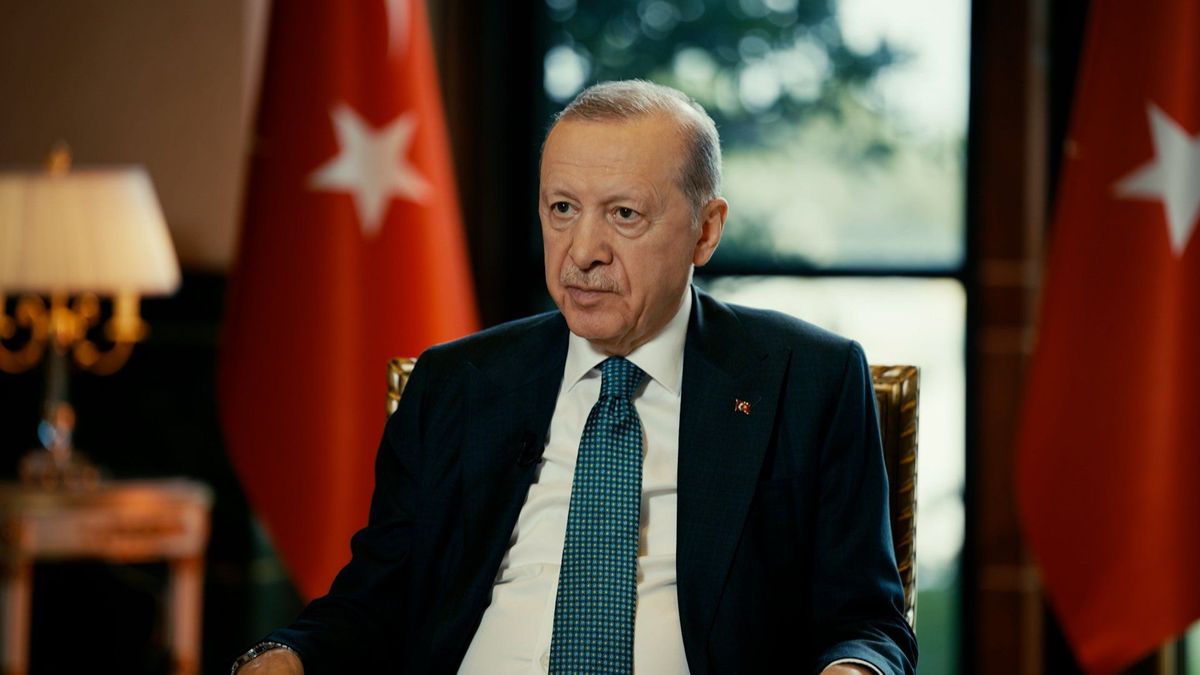
Turkish President Recep Tayyip Erdogan has urged the reopening of the Strait of Hormuz, a strategic waterway at the center of escalating US-Iran tensions. Erdogan emphasized the importance of maintaining global oil flows, with both Turkey and Iran supporting the continued movement of oil through the strait.
The Strait of Hormuz is a critical chokepoint in global oil trade, with nearly a third of the world's seaborne oil passing through it. The US, seeking to exert pressure on Iran, has increased its military presence in the region, while Iran has responded by threatening to disrupt oil flows. Turkey, with its own energy interests and regional ambitions, is attempting to navigate this complex landscape. Erdogan's call to reopen the strait is a calculated move to assert Turkey's influence and protect its own energy interests, while also attempting to mitigate the impact of US-Iran tensions on global oil markets.
The disruption of oil flows through the Strait of Hormuz has significant implications for global energy markets and, by extension, the livelihoods of people around the world. The human cost of this instability is already being felt, from increased fuel prices to decreased economic activity. In the region, the ongoing tensions between the US and Iran have led to a deterioration in living conditions, particularly for vulnerable populations such as refugees and migrant workers. The people of Iran, in particular, are bearing the brunt of these tensions, with US sanctions exacerbating economic hardship and limiting access to essential goods and services.
While the US and Iran engage in a war of words over the Strait of Hormuz, there are underlying power dynamics at play that are being downplayed. The US is seeking to maintain its dominance over global energy markets, while Iran is attempting to assert its own influence in the region. Turkey, meanwhile, is navigating a delicate balance between its relationships with the US, Iran, and other regional players. The role of other regional actors, such as Saudi Arabia and the UAE, is also being underestimated, as they seek to exploit the situation to their own advantage.
As the situation in the Strait of Hormuz continues to unfold, readers should watch for signs of escalating tensions between the US and Iran, including increased military deployments and rhetorical exchanges. The response of other regional players, such as Turkey and Saudi Arabia, will also be critical in determining the trajectory of events. The impact of disrupted oil flows on global energy markets and regional stability will be a key indicator of the human cost of this crisis. Ultimately, the fate of the Strait of Hormuz will be shaped by the complex interplay of power dynamics, regional interests, and global energy markets.
Editor's Note: The analysis is based on publicly available information and may not reflect the full complexity of the situation on the ground.
Source referenced: ALJAZEERA
This brief was synthesized by our Editorial Engine and reviewed by The Ground Narrative team.


