TRENDING

Monday, 5 October 2026
----------------------
24 Rabi' Al-Thani 1448 AH
Turkish President Recep Tayyip Erdogan expresses concern over Israeli attacks on Lebanon, highlighting the complex web of regional power dynamics and the potential human cost. As tensions escalate, the international community must consider the unseen consequences of these actions.
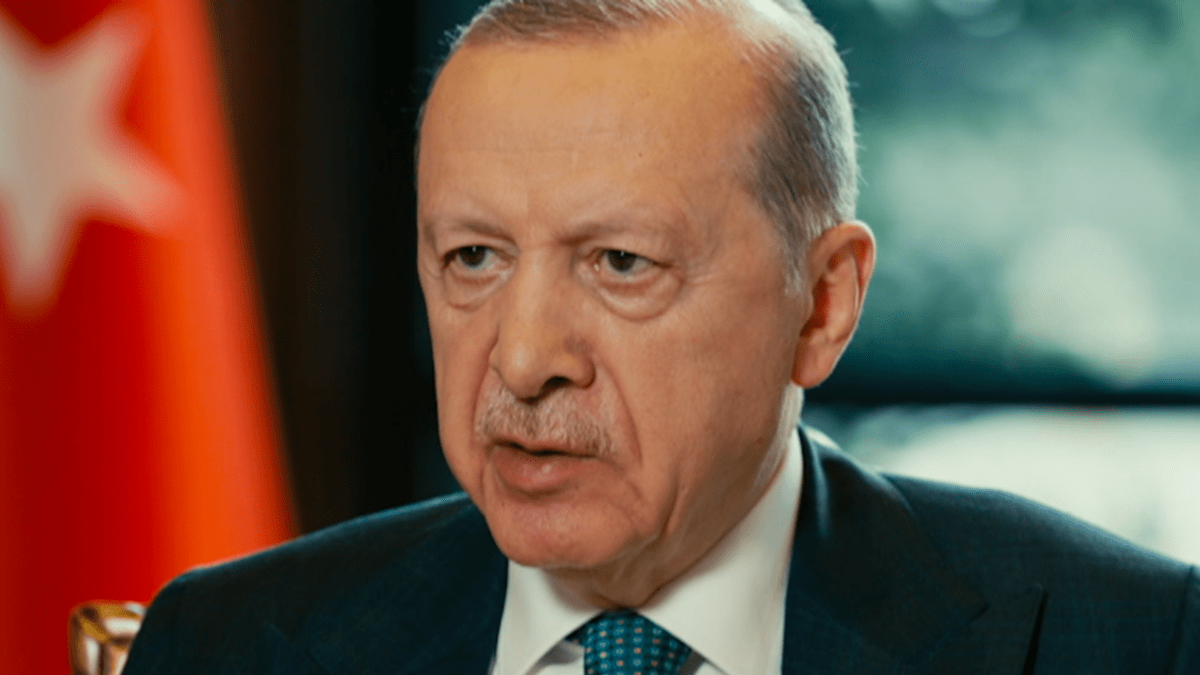
Turkish President Recep Tayyip Erdogan has voiced his concerns over the continued Israeli attacks on Lebanon, stating that these actions are a serious concern for Türkiye. This statement comes at a time of heightened tensions in the region, with potential implications for the balance of power in the Middle East.
The situation is complex, with multiple actors vying for influence in the region. Israel's actions in Lebanon are driven by a desire to maintain its security and protect its interests, while Turkey's stance is motivated by a need to assert its role as a regional leader and protect its allies. The United States, as a key player in the region, is likely to be watching the situation closely, weighing its own interests and considering how to maintain stability. Meanwhile, Iran's influence in the region, particularly through its allies in Lebanon, adds another layer of complexity to the situation.
The human cost of these actions is often overlooked, but it is essential to consider the impact on civilians in Lebanon and the Palestinian population. The ongoing conflict has led to displacement, injury, and loss of life, with many more facing uncertainty and fear. The international community must not forget the vulnerable populations who bear the brunt of these actions, including refugees and women and children.
What is often downplayed or omitted in official statements is the historical context of the conflict. The region's complex history, including the legacy of colonialism and the impact of foreign intervention, has contributed to the current situation. Additionally, the role of economic interests, such as access to resources and trade routes, is often overlooked. Powerful actors may be downplaying the potential for escalation, but it is essential to consider the long-term consequences of these actions.
As the situation continues to unfold, it is crucial to watch for further escalation between Israel and Lebanon, as well as Turkey's response to these developments. The international community should also be aware of potential diplomatic efforts to resolve the conflict, including initiatives from the United States or other regional players. Ultimately, the key to resolving the situation lies in addressing the underlying issues, including the needs and concerns of all parties involved, and working towards a lasting and just peace.
Editor's Note: The analysis is based on publicly available information and may not reflect the full complexity of the situation.
Source referenced: ALJAZEERA
This brief was synthesized by our Editorial Engine and reviewed by The Ground Narrative team.


