TRENDING

Monday, 5 October 2026
----------------------
24 Rabi' Al-Thani 1448 AH
Four Renaissance artworks by Antonello da Messina, considered vital to Sicily's cultural identity, have been stolen from a museum in Messina. This theft highlights the persistent vulnerability of cultural heritage to a sophisticated global black market.
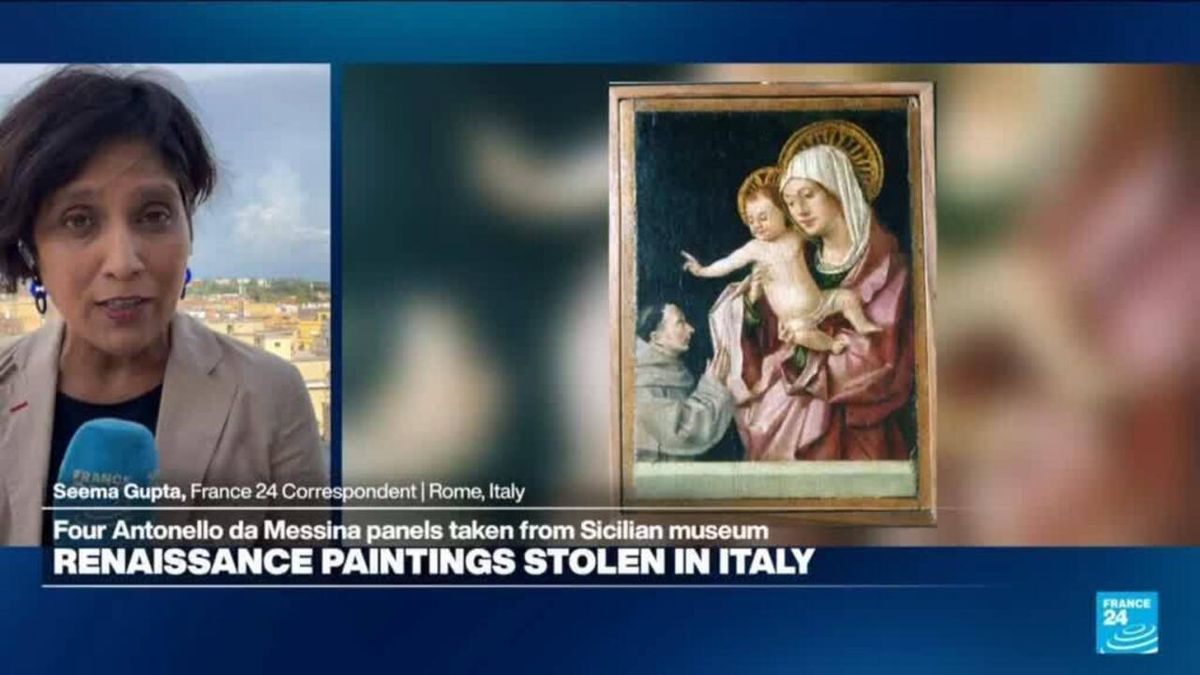
Overnight on August 15, four irreplaceable Renaissance artworks by Antonello da Messina were stolen from the Museo Regionale in Messina, Sicily. Among the pilfered pieces were three panels from the artist's *Polittico di San Gregorio*, works that represented the only surviving creations by the painter still housed in his hometown. Italian authorities have initiated an investigation into the brazen theft.
This theft is not an isolated act of petty crime but a stark reminder of the sophisticated, multi-billion dollar illicit art market that operates globally. The power mechanics at play involve a complex web of actors: organized crime syndicates capable of executing precise operations, often with insider information; wealthy, anonymous collectors who fuel demand for stolen treasures; and a network of traffickers who move these items across borders with alarming efficiency. For the thieves, the art is a high-value, easily transportable commodity, a form of alternative currency often linked to money laundering, drug trafficking, or even funding for other illicit activities. For the state, represented by Italian authorities and their specialized cultural heritage protection units like the Carabinieri, the challenge is immense. They possess the legal authority and investigative prowess, but the sheer scale of cultural assets to protect, especially in a country as rich in history as Italy, often leaves vulnerabilities that powerful criminal enterprises are quick to exploit.
The immediate human cost of this theft falls squarely on the people of Messina. These artworks were not merely objects; they were tangible links to their past, a source of local pride, and a cornerstone of their shared cultural identity. Losing the only surviving works of a renowned local artist from his hometown is a profound blow, diminishing a community's connection to its own history. Beyond the emotional impact, there are economic repercussions. Sicily, like much of Italy, relies heavily on cultural tourism. Such high-profile thefts can erode public confidence in the security of cultural sites, potentially deterring visitors and impacting local businesses that depend on the flow of tourists drawn by Italy's unparalleled heritage. The broader public, both within Italy and globally, also pays a price, as a piece of universal human artistic achievement is removed from public view, potentially forever.
What official statements and initial reports often downplay or omit is the systemic vulnerability that allows such thefts to occur repeatedly. Governments, while condemning such acts, rarely highlight the chronic underfunding of cultural heritage protection, especially in regional museums that may lack the state-of-the-art security systems of national institutions. The true scale and sophistication of international art trafficking networks are also often understated; these are not opportunistic smash-and-grabs but often meticulously planned operations. Furthermore, the role of the 'legitimate' art market — auction houses, galleries, and private dealers — in inadvertently or sometimes knowingly facilitating the movement of illicit art through lax provenance checks or opaque transactions, remains a critical but often unaddressed issue. The uncomfortable truth is that the demand for these stolen artifacts is often driven by individuals within the very societies that claim to value art, creating a perverse incentive for criminal networks.
As the investigation unfolds, the world will be watching for several key indicators. Will Italian authorities manage to recover the artworks, or will they disappear into the shadowy realm of private collections? The success or failure of this recovery effort will send a strong message to both criminals and other cultural institutions about the efficacy of current protection measures. Beyond the immediate case, it is crucial to observe whether this incident prompts a more significant re-evaluation of security protocols and funding for cultural heritage sites across Italy, particularly in regions historically prone to organized crime. The long-term struggle against art trafficking demands not just reactive investigations but proactive international cooperation and a critical examination of the demand side of the illicit market. The fate of Messina's stolen masterpieces will serve as a stark reminder of the ongoing battle to preserve shared human history against the forces of greed and exploitation.
Source referenced: FRANCE24
This brief was synthesized by our Editorial Engine and reviewed by The Ground Narrative team.


