TRENDING

Sunday, 4 October 2026
----------------------
23 Rabi' Al-Thani 1448 AH
As the Taliban marks five years in power, the regime faces mounting pressure from insurgents, internal clashes, and external tensions, threatening the fragile stability in Afghanistan. The Taliban's iron-fisted rule has denied basic human rights, imposed strict restrictions on women, and sparked fears of new proxy wars.
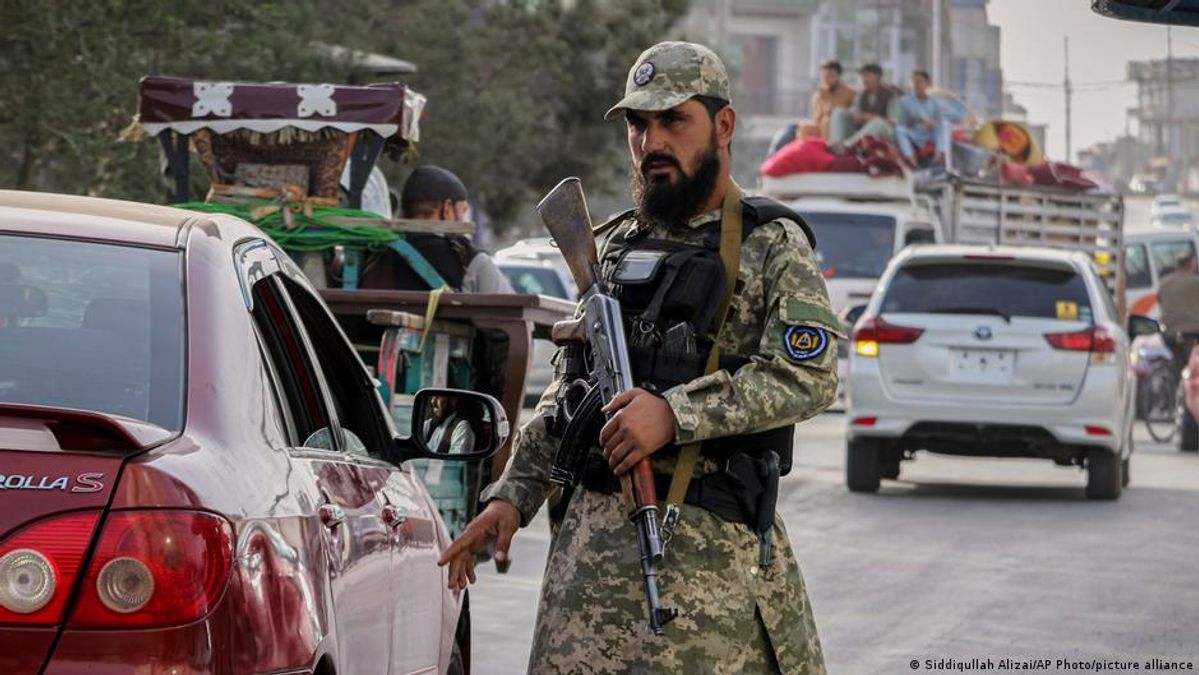
The Taliban, who have been in power for nearly five years, recently lost control of the Yaftal-e Payeen district capital in the northeastern province of Badakhshan. Although the disruption was temporary, it marked the first time the Taliban lost control of a district center since returning to power in August 2021. This incident, combined with internal clashes among Taliban fighters and fatal attacks on high-ranking officials, has raised questions about the regime's ability to maintain control.
The Taliban's grip on power is tenuous, with the regime facing opposition from various groups, including the National Resistance Front and former Afghan army general Sami Sadat's United Front. The Taliban's governing style, which has denied basic human rights and imposed strict restrictions on women, has sparked widespread criticism and resistance. The regime's claims to legitimacy are based on the restoration of nationwide security, but experts warn that their policies could enable armed rebels to challenge them in various parts of Afghanistan.
The human cost of the Taliban's rule has been devastating, with women being banned from work and education beyond the sixth grade and facing severe restrictions on their public life. The regime's denial of basic human rights has also led to the displacement of former government officials, who are now in exile. The conflict has resulted in significant civilian casualties, with at least 372 Afghan civilians killed and nearly 400 injured in cross-border hostilities between Afghanistan and Pakistan in the first three months of 2026.
The Taliban and other powerful actors are downplaying the threat posed by rebel groups and the impact of their policies on the Afghan people. The regime alleges that external support for armed resistance is rising, but provides no evidence to support these claims. Meanwhile, Pakistan accuses the Taliban of providing safe havens to militants executing attacks inside Pakistani territory, while the Taliban deny these charges and accuse Pakistan of harboring hostile elements. The true extent of external support for armed resistance and the role of neighboring countries in the conflict remains unclear.
As the Taliban marks five years in power, readers should watch for signs of escalating conflict between the regime and rebel groups, as well as the impact of external factors, such as Pakistan's actions, on the situation in Afghanistan. The potential for proxy wars and the involvement of other regional actors, such as Russia and China, could further destabilize the region. The Afghan people, particularly women and minority groups, will continue to bear the brunt of the conflict, and their plight should not be forgotten in the midst of geopolitical maneuvering.
Editor's Note: The analysis is based on current events and trends, but the situation in Afghanistan is highly fluid and subject to change.
Source referenced: DW
This brief was synthesized by our Editorial Engine and reviewed by The Ground Narrative team.


