TRENDING

Sunday, 4 October 2026
----------------------
23 Rabi' Al-Thani 1448 AH
Abdul El-Sayed's victory in the Michigan Democratic primary for the US Senate has stunned the pro-Israel establishment, dealing a significant blow to AIPAC's influence in US politics. El-Sayed's win is a testament to the growing power of progressive voices in the Democratic Party, who are willing to challenge special-interest groups and take on tough issues like Israel's war on Gaza.
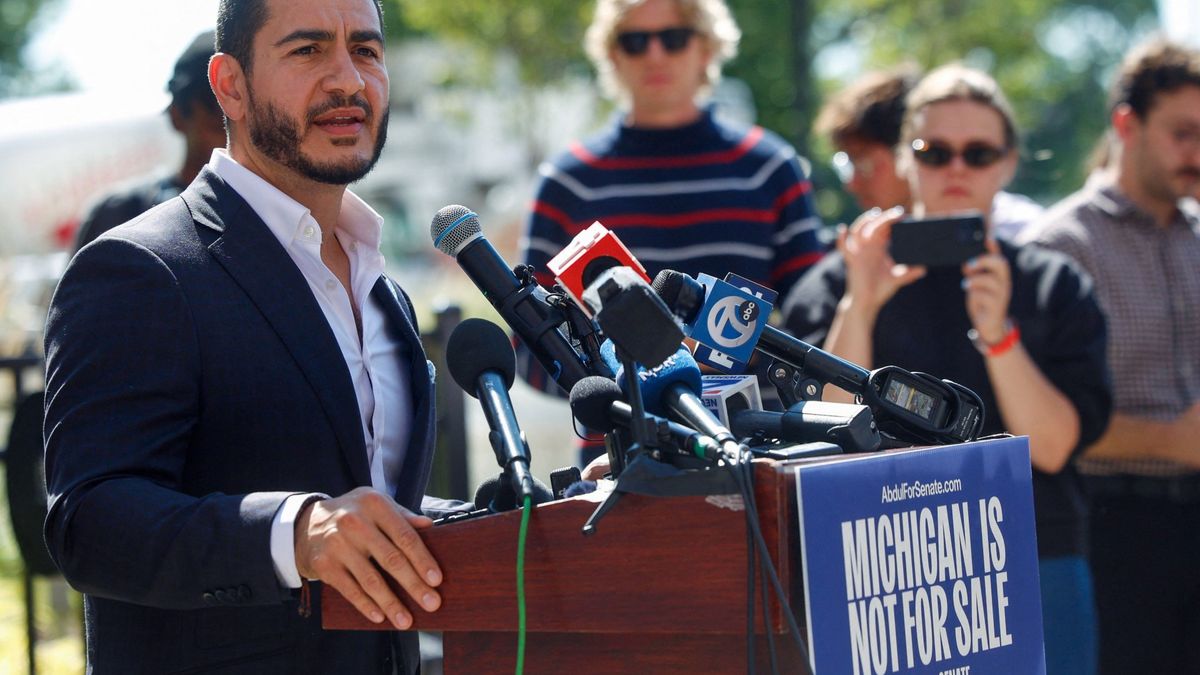
Abdul El-Sayed, a public health advocate, has won the Michigan Democratic primary for the US Senate, defeating Congresswoman Haley Stevens in a razor-thin margin. El-Sayed's victory is significant, as he faced tens of millions of dollars in campaign spending by AIPAC and other special-interest groups. Despite being outspent 9-to-1, El-Sayed's campaign focused on issues like affordability, expanding access to healthcare, and taking on the influence of big money in politics.
El-Sayed's win is a testament to the growing power of progressive voices in the Democratic Party, who are willing to challenge special-interest groups and take on tough issues like Israel's war on Gaza. AIPAC's involvement in the race and the polarization over Israel made the conflict in the Middle East a key issue in the election. El-Sayed's ability to broaden the Democratic base and engage voters with a compassionate and substantive approach helped him secure victory.
The people who bear the human cost of the conflict in the Middle East, particularly in Gaza, are the ones who will be most affected by El-Sayed's victory. El-Sayed's supporters argue that the money spent on war should go to help communities across the US and Michigan, rather than funding military support for Israel. The victory is also a win for the progressive left, who have been working to shift the Democratic Party's stance on issues like Israel and Palestine.
What AIPAC and other pro-Israel groups are downplaying is the growing dissatisfaction among American voters with the US's role in the Middle East conflict. El-Sayed's victory shows that voters are increasingly willing to challenge the status quo and support candidates who are willing to take on tough issues like Israel's war on Gaza. The fact that El-Sayed was able to win despite being outspent 9-to-1 is a testament to the power of grassroots organizing and the desire for change among American voters.
As the general election approaches, readers should watch for how El-Sayed's campaign will continue to challenge AIPAC's influence and take on the pro-Israel establishment. El-Sayed's ability to broaden the Democratic base and engage voters with a compassionate and substantive approach will be crucial in defeating his Republican opponent, Mike Rogers, in November. Additionally, the reaction of AIPAC and other pro-Israel groups to El-Sayed's victory will be important to watch, as they may continue to spend millions of dollars to try and defeat him in the general election.
Editor's Note: While El-Sayed's victory is significant, the general election will be a tough challenge, and AIPAC's influence should not be underestimated.
Source referenced: ALJAZEERA
This brief was synthesized by our Editorial Engine and reviewed by The Ground Narrative team.


