TRENDING

Tuesday, 3 November 2026
----------------------
23 Jumada Al-Awwal 1448 AH
The 2026 US midterms will decide control of Congress and dozens of governorships. Beyond opening hours, the elections reveal deep power calculations and everyday costs.
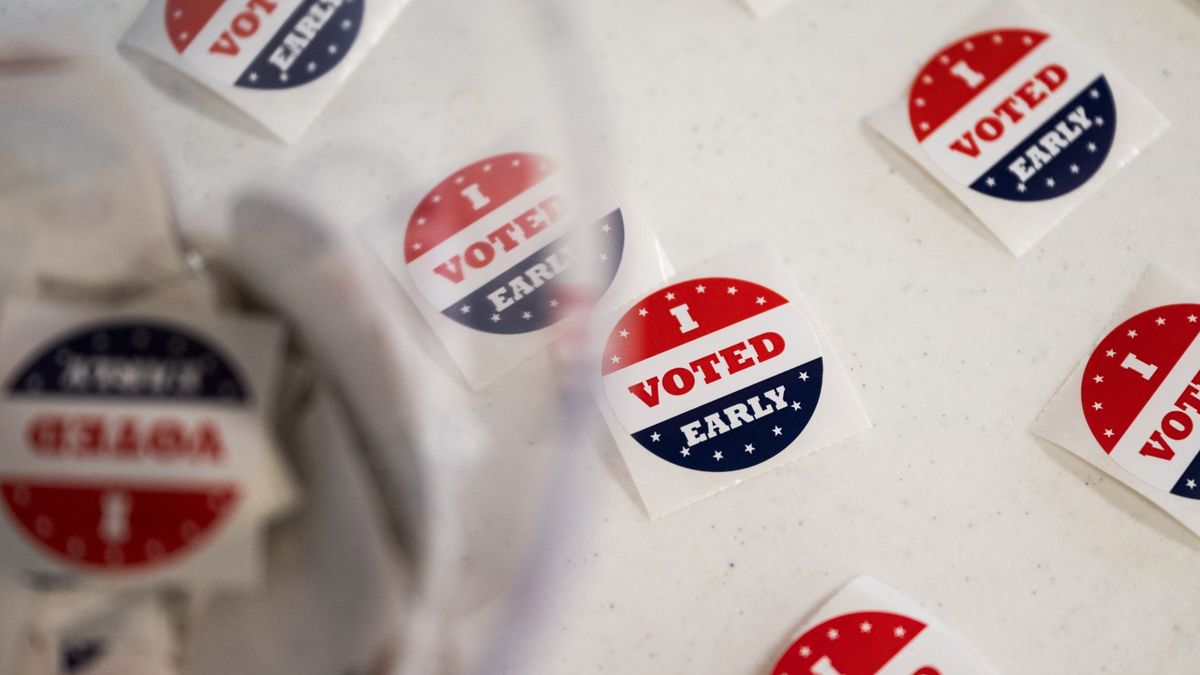
On Tuesday, November 3, United States voters will cast ballots in all 435 House races, 35 Senate seats, and dozens of gubernatorial contests. State governments set opening times as early as 5 a.m. in Vermont and closing times that stretch into the early hours of Wednesday in Alaska. Early results will trickle in as polls close, but final tallies may take days because of mail‑in and provisional ballots.
The midterm calendar is more than a logistical detail; it is a lever for political survival and party strategy.
Each state’s election code determines when polls open and close, a seemingly neutral rule that parties have long used to shape turnout. Early‑opening states like Vermont, with a small, affluent electorate, tend to favor Democratic candidates, while later‑closing states such as Indiana, closing at 6 p.m., compress the window for mobilizing rural Republican voters. Governors and legislatures can tweak hours through emergency orders, giving the party in power a subtle advantage.
Control of the House hinges on a net gain of three seats for Democrats; the Senate requires four. Because the Senate’s staggered six‑year terms mean only a third of seats are contested, each race carries outsized weight. Campaign financing follows the timing: national committees pour money into states that close later, hoping to influence late‑night reporting and shape the narrative before the next day’s headlines.
Since the 2020 pandemic, early voting has expanded dramatically. Republican lawmakers in several states have introduced restrictions on mail ballots, arguing election security, while Democratic officials champion broader access to boost turnout among younger and minority voters. The timing of ballot processing—often delayed until after polls close—creates a strategic information gap that parties exploit to claim momentum.
Even if one party secures a slim majority, internal factionalism matters. In the House, the Democratic caucus is split between progressive and moderate blocs; in the Senate, the Republican conference faces a divide between hard‑line conservatives and establishment members. The midterm outcomes will dictate which coalition can command committee chairmanships, budget approvals, and the ability to block or advance the president’s agenda.
While power brokers calculate margins, ordinary Americans feel the election’s ripple effects in concrete ways.
Extended voting hours do not automatically translate to easier access. In states with limited polling places, especially in rural Appalachia and the Deep South, long lines persist despite early openings. Voters without reliable transportation or flexible work schedules often miss the narrow windows, disproportionately affecting low‑income and minority communities.
Midterm outcomes shape federal spending on infrastructure, healthcare, and social programs. A Republican‑controlled Congress may push for reduced federal aid, impacting state budgets that fund public schools and Medicaid. Conversely, a Democratic surge could sustain or expand stimulus measures, influencing job security for millions in sectors reliant on federal contracts.
The 2026 cycle has seen a spike in Islamophobia, anti‑LGBTQ rhetoric, and anti‑immigrant sentiment, especially in swing states like Texas and Florida. These cultural flashpoints translate into real threats: hate crimes, harassment of minority business owners, and heightened police surveillance in neighborhoods deemed “politically volatile.”
Official narratives focus on dates, candidates, and projected seat changes, but several layers remain obscured.
Super‑PACs and 501(c)(4) organizations funnel billions into ads that influence voter perception without disclosing donors. While the Federal Election Commission requires reporting, loopholes allow shell entities to mask the true source of funds, often linking corporate interests—such as fossil fuel giants or tech conglomerates—to specific candidates.
News outlets receive partial vote counts as states finish voting. The first states to close, like Indiana, set the tone for the night’s narrative. Networks often call races based on predictive models that may favor the incumbent party’s narrative, subtly shaping public perception before the full picture emerges.
Despite bipartisan rhetoric about “election integrity,” both parties have stalled comprehensive voting‑rights legislation. The focus on poll timing distracts from deeper issues: outdated voting equipment, voter roll purges, and the lack of uniform standards for ballot verification. These systemic problems remain under‑reported while the election clock ticks.
The midterm calendar offers several indicators for observers.
- Close‑state vote‑count releases: Watch how quickly swing‑state officials publish results; delays can signal contested counts or recounts.
- Post‑election legal challenges: Expect a surge in lawsuits over ballot eligibility, especially in states that tightened mail‑in rules.
- Funding flows after the night: Track Super‑PAC expenditures in the weeks following the election; spikes often precede lobbying pushes for policy concessions.
- Policy shifts in the first 100 days: Whether the new Congress prioritizes voting‑rights legislation, budget negotiations, or partisan investigations will reveal which power structures are consolidating.
- Grassroots mobilization: Community groups that organized around issues like Islamophobia or climate justice will test their capacity to influence future state and local races, setting the stage for the 2028 presidential cycle.
By monitoring these threads, readers can see beyond the opening hours and understand how the 2026 midterms reshape power, cost, and the everyday lives of Americans.
Polling hours vary by state; the earliest open at 5 a.m. in Vermont and the latest close around 1 a.m. Eastern Time in Alaska on Wednesday.
Democrats need a net gain of three House seats and four Senate seats to claim majorities; Republicans currently hold both chambers.
Restrictions on mail and early voting can suppress turnout among younger, low‑income, and minority voters, potentially benefiting the party that enacts them.
Source referenced: ALJAZEERA
This brief was synthesized by our Editorial Engine and reviewed by The Ground Narrative team.