TRENDING

Monday, 5 October 2026
----------------------
24 Rabi' Al-Thani 1448 AH
A surge in Houthi attacks in Yemen has raised fears of an all-out war, with civilians bearing the brunt of the conflict. The escalation is driven by a complex web of regional power struggles and geopolitical interests. As the situation spirals out of control, the international community remains largely silent, leaving Yemenis to face the devastating consequences.
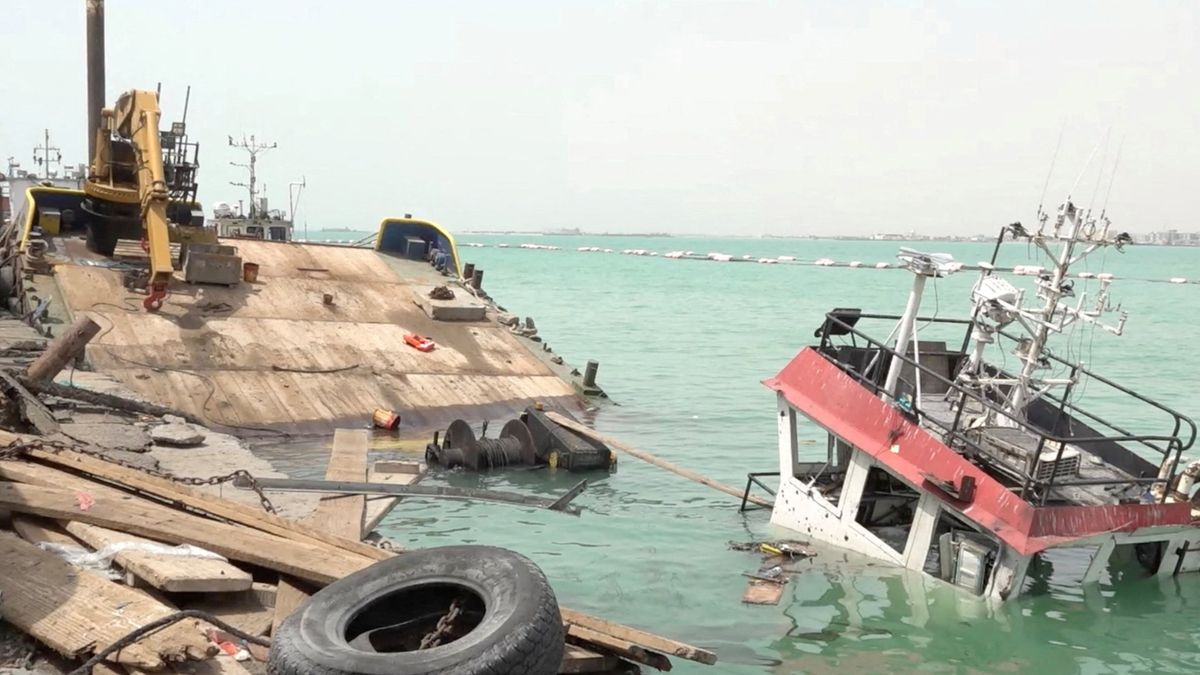
The recent escalation of attacks by Houthi forces in Yemen has sparked fears of a return to all-out war. The conflict, which has been ongoing since 2014, has already claimed thousands of lives and displaced millions of people. The latest attacks, which have targeted government-controlled areas and Saudi oil facilities, have raised concerns about the stability of the region and the potential for a wider conflict.
The conflict in Yemen is driven by a complex web of regional power struggles and geopolitical interests. The Houthis, who are backed by Iran, are fighting against the Saudi-backed Yemeni government. The conflict has become a proxy war, with regional powers using Yemen as a battleground to further their own interests. The recent escalation of attacks by the Houthis is seen as a response to the perceived threat from the Saudi-backed government and its allies.
The human cost of the conflict in Yemen has been devastating. Civilians have borne the brunt of the fighting, with thousands killed or injured in airstrikes, shelling, and other attacks. The conflict has also had a disproportionate impact on women and children, who are often forced to flee their homes and live in squalid conditions in refugee camps. The economic impact of the conflict has also been severe, with Yemen's economy in shambles and millions of people struggling to access basic necessities like food and healthcare.
One of the untold stories of the conflict in Yemen is the role of external powers in fueling the violence. The Saudi-led coalition, which has been bombing Houthi targets in Yemen since 2015, has been accused of committing war crimes and violating international humanitarian law. The United States, which has provided military support to the coalition, has also been criticized for its role in the conflict. Meanwhile, Iran's support for the Houthis has been seen as a key factor in the escalation of the conflict.
As the situation in Yemen continues to deteriorate, there are several key factors to watch. The first is the response of the international community, which has been criticized for its inaction in the face of the humanitarian crisis. The second is the role of regional powers, including Saudi Arabia and Iran, which will continue to shape the conflict. Finally, the impact of the conflict on civilians will be a key factor to watch, as the humanitarian crisis deepens and the human cost of the conflict continues to mount.
Editor's Note: The analysis is based on publicly available information and may not reflect the full complexity of the situation on the ground.
Source referenced: ALJAZEERA
This brief was synthesized by our Editorial Engine and reviewed by The Ground Narrative team.