TRENDING

Friday, 18 September 2026
----------------------
7 Rabi' Al-Thani 1448 AH
As the UN General Assembly opens its 81st session, heads of state will spar over AI, wars and climate. Behind the speeches lie power plays that shape whose interests dominate global policy.
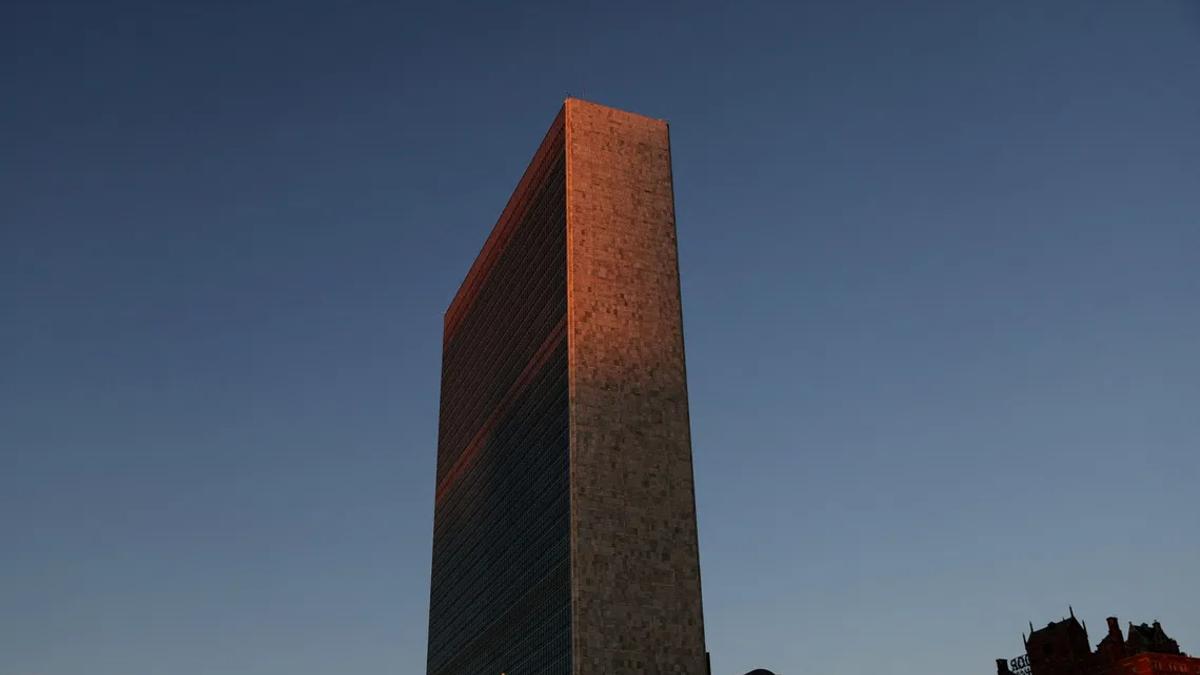
The United Nations General Assembly opens its 81st session in New York, bringing together heads of state, ministers and diplomats for a week of high‑level debate. Brazil traditionally opens, followed by the United States, then a rotating roster based on seniority and timing. The agenda is framed by the theme “Restoring Trust, Managing Transformation: A United Nations That Delivers for All,” but the real focus will be on artificial intelligence, the wars in Ukraine and the Middle East, Iran’s diplomatic isolation, Sudan’s humanitarian collapse and climate urgency.
The UN stage is a ritual of legitimacy, yet real leverage rests with the five permanent Security Council members and the United States as host nation. AI has become a bargaining chip: leading tech powers (U.S., EU, China) push for voluntary guardrails, while emerging AI states demand fewer restrictions to protect domestic industry growth. In the Ukraine arena, Russia’s veto power stalls any binding resolution, forcing Kyiv to rely on moral persuasion and bilateral aid. Iran faces a visa hurdle that the U.S. can enforce, turning its presence into a diplomatic litmus test. The Israel‑Palestine debate is shaped by the U.S. shield against ICC actions and by European states seeking a mediated two‑state formula. Meanwhile, the race to replace Secretary‑General Guterres is a quiet contest among the P5, each seeking a candidate who will protect their strategic interests in the UN bureaucracy. Climate talks give small island states a platform, but the financing mechanisms remain under the control of wealthy donor blocs.
The human cost of these power games is uneven. Ukrainian civilians continue to endure artillery bombardments, displacement and a shattered economy, while Western aid streams are filtered through bureaucratic conditions that often bypass local needs. Iranian families suffer from sanctions‑induced shortages, and the uncertainty over diplomatic visas adds a layer of isolation for those seeking international advocacy. In Sudan, more than 14 million people are displaced, facing famine and disease, yet the high‑level meeting offers little beyond rhetorical solidarity. Island communities confront rising seas that threaten homes and livelihoods, but climate pledges remain largely unfunded, leaving residents to bear the brunt of inaction. Finally, AI workers in developing economies risk job displacement as advanced systems are deployed without safeguards, a consequence rarely mentioned in the polished speeches.
Officials repeatedly stress “cooperation” and “shared responsibility,” but they downplay the geopolitical jockeying behind every clause. The United States leverages visa control to marginalize Iran, while quietly negotiating AI standards that favor its own tech giants. China’s silence on the AI agenda masks a parallel push to export its own model of state‑guided development. The P5’s unanimity on the Secretary‑General shortlist is often presented as consensus, yet behind closed doors each power extracts concessions—ranging from staffing appointments to the handling of sanctions regimes. Climate rhetoric glosses over the fact that the wealthiest nations have already exceeded their carbon budgets, shifting the burden onto vulnerable states without delivering the promised finance.
Watch for AI governance talks at the Security Council: any agreement will signal which bloc can set the global rulebook. The U.S.–Russia dialogue on Ukraine, even if informal, may reveal whether a diplomatic breakthrough is feasible or if the conflict will remain a stalemate. Iran’s visa outcome will indicate how far the United States is willing to use procedural tools as leverage. The Secretary‑General selection will crystallize the balance of power within the UN; a candidate backed by the P5 could entrench their influence, while a surprise third‑party nominee might shift the agency’s agenda. Finally, monitor climate financing pledges in the weeks after the assembly—real money flows will betray whether the rhetoric translates into tangible support for those on the front lines of warming.
Editor's Note: All information is drawn from the provided Reuters briefing and publicly known UN procedures.
Source referenced: STRAITSTIMES
This brief was synthesized by our Editorial Engine and reviewed by The Ground Narrative team.