TRENDING

Wednesday, 21 October 2026
----------------------
10 Jumada Al-Awwal 1448 AH
A quiet legal battle is reshaping who can challenge rights violations in the United States. The Supreme Court and executive branch are increasingly limiting private citizens' ability to sue, centralizing power over civil rights enforcement within the government itself.
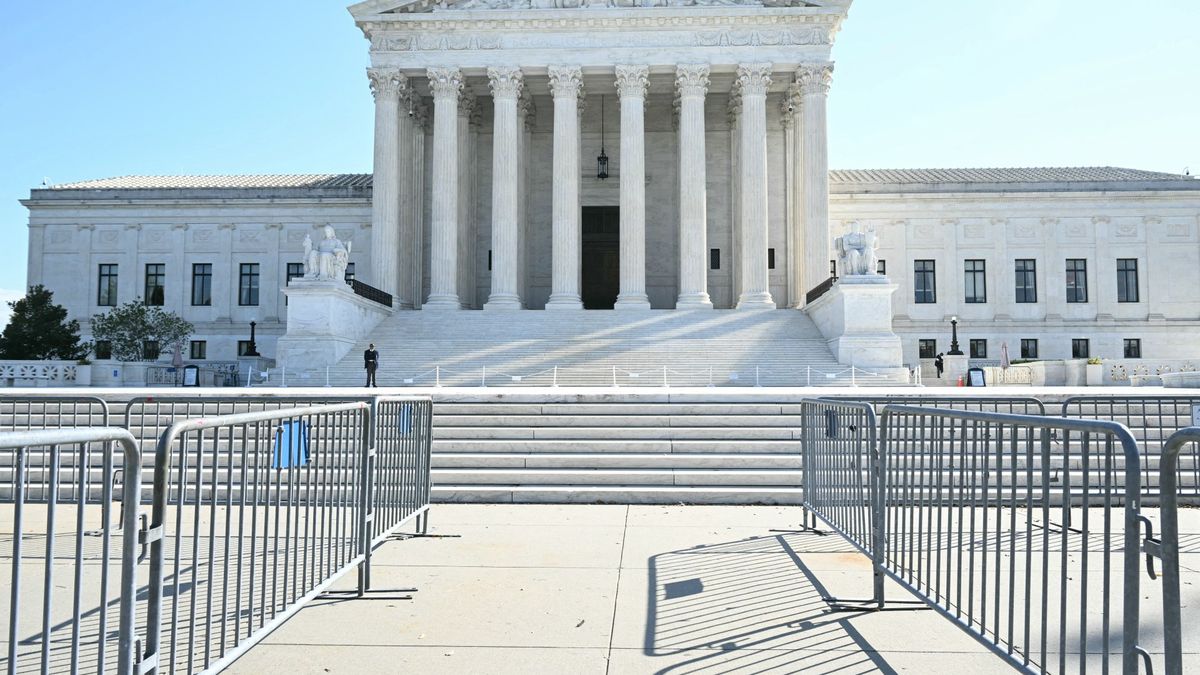
Across the United States, a fundamental shift is underway in how civil rights are enforced. The Supreme Court is actively considering cases that question the very right of individuals and advocacy groups to sue when federal laws protecting them are violated. This autumn, the Court will hear arguments on whether employees of federally funded universities can bring private claims under Title IX for workplace sex discrimination. This follows earlier decisions, like the refusal to hear a challenge to a ruling that barred an immigrant advocacy organization from suing to enforce Voting Rights Act protections, and a ruling against Falun Gong practitioners seeking redress against a technology company. Simultaneously, the Trump administration's Justice Department has sought to intervene and dismiss private environmental lawsuits, arguing national security concerns.
This legal campaign is not a series of isolated incidents but a coordinated effort to fundamentally reconfigure the balance of power between citizens, the judiciary, and the executive branch. At its core, the argument advanced by Republican-led states and the Trump administration is that, unless Congress explicitly grants a "private right of action," enforcement of federal laws should primarily rest with the government. This seemingly technical legal principle, often framed under the banner of judicial restraint or originalism, has profound implications for democratic accountability.
The push to limit private rights of action shifts immense power to the executive branch, specifically the Department of Justice (DOJ). When individuals and groups cannot initiate lawsuits, the decision to pursue justice for rights violations becomes a political one, subject to the priorities and biases of the administration in power. This is a critical mechanism of control: by restricting the avenues for private litigation, powerful actors can effectively decide which laws are enforced and against whom. The US Chamber of Commerce Institute for Legal Reform, a vocal critic of private lawsuits, often frames these efforts as a way to curb
Source referenced: ALJAZEERA
This brief was synthesized by our Editorial Engine and reviewed by The Ground Narrative team.


