TRENDING

Wednesday, 21 October 2026
----------------------
10 Jumada Al-Awwal 1448 AH
A drone strike on a bustling market in Abyei killed at least 150 civilians, a flashpoint in the Sudan‑RSF clash. The attack reveals how contested borders become hunting grounds for rival power brokers, while ordinary traders bear the deadliest cost.
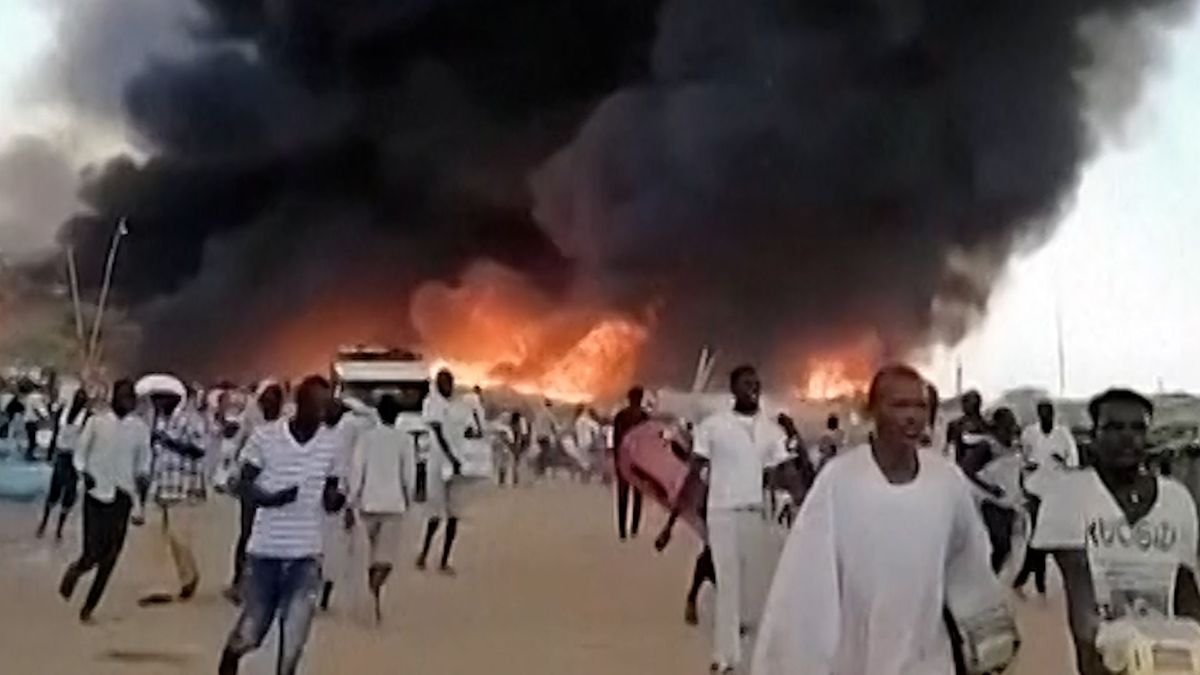
On 21 October 2026 a drone strike hit a crowded market in the disputed Abyei region, killing at least 150 people and injuring many more. The market, a daily hub for traders from both Sudan and South Sudan, was reduced to smoldering wreckage within minutes. The Sudanese government has not claimed responsibility, but the strike coincided with a surge in fighting between Khartoum’s army and the paramilitary Rapid Support Forces (RSF), which the capital accuses of using Abyei as a hide‑out.
The Abyei strike sits at the intersection of three overlapping power calculations. First, the central government in Khartoum seeks to re‑assert control over a territory it officially claims but has lost de facto influence over since the 2011 South Sudanese independence. By targeting a market where RSF fighters are rumored to mingle with civilians, the army hopes to signal that any sanctuary the RSF builds will be vulnerable to aerial retaliation.
Second, the RSF relies on fluid front‑lines and civilian cover to evade conventional attacks. Its leadership, under Mohamed Hamdan "Hemedti" Dagalo, has turned the Abyei border area into a logistical corridor for arms and revenue from cross‑border smuggling. A high‑profile strike forces the RSF to divert resources to protect its rear, potentially weakening its offensive thrustes elsewhere.
Third, the broader regional calculus involves South Sudan, which officially borders Abyei and hosts a fragile peace that could be destabilised by spill‑over violence. International donors and the African Union have pressed both sides to honour a 2025 cease‑fire agreement, but the market attack undermines confidence in any diplomatic track, giving external actors – from Gulf investors to Western arms suppliers – a renewed excuse to hedge their bets or deepen covert involvement.
The market was a lifeline for hundreds of families who travel daily from rural Abyei villages and nearby South Sudanese towns. With stalls destroyed, the immediate loss includes not only lives but also the sole source of income for many households. Women, who dominate the informal trade of foodstuffs and textiles, now face weeks without cash to feed their children.
In the days following the strike, an estimated 5,000 residents fled toward South Sudan seeking safety. Temporary shelters in the town of Bentiu are already over‑crowded, stretching humanitarian aid that was already stretched thin by seasonal floods. The influx raises the risk of disease outbreaks and fuels competition for scarce resources, heightening ethnic tensions that have simmered since the 2013 civil war.
Abyei’s market generated roughly $12 million in annual trade, a figure that feeds into both the formal economy of Sudan and the informal networks that finance the RSF. Its destruction creates a vacuum that could be filled by illicit actors, from mineral smugglers to armed groups looking to tax the new black‑market routes. The long‑term economic shock may push more youths into recruitment for armed factions, perpetuating the cycle of violence.
Khartoum’s official channels have labeled the incident a "terrorist act" perpetrated by the RSF, yet they have withheld any forensic evidence or independent investigation. By framing the strike as a necessary counter‑terror measure, the government sidesteps scrutiny over the legality of using drones in densely populated civilian zones, a point that international humanitarian law experts have flagged as a potential war crime.
While the United Nations and the African Union issued brief statements of condolence, they stopped short of demanding accountability. Meanwhile, satellite imagery shows a surge in drone activity from bases linked to foreign contractors operating under the guise of "security assistance" to Sudan. The lack of transparent procurement records obscures who profits from the sale of precision‑strike platforms that can be deployed with minimal ground presence.
State‑aligned media in Sudan have highlighted the RSF’s alleged presence in Abyei, but they rarely mention the civilian death toll or the market’s role in regional food security. Conversely, South Sudanese outlets focus on the refugee crisis, downplaying the strategic motives behind the strike. This bifurcated coverage leaves ordinary citizens on both sides with an incomplete picture of why their neighborhoods have become battlefields.
The next weeks will reveal whether the Sudanese army follows the Abyei strike with further aerial operations or retreats under domestic and international pressure. Key indicators include: (1) any official claim of responsibility or denial that could shift diplomatic leverage; (2) movements of RSF units away from the border, which would suggest a tactical withdrawal; and (3) the response of South Sudan’s government—whether it opens a humanitarian corridor, tightens border controls, or seeks a UN peace‑keeping mandate. Observers should also monitor procurement logs for new drone deliveries, as a spike could signal an escalation of remote warfare that further endangers civilian spaces.
The human toll of the Abyei market strike underscores a stark reality: in contested borderlands, power is often exercised from the sky while ordinary people are left to count the dead and rebuild shattered livelihoods.
While no official claim has been made, analysts link the strike to the Sudanese air force acting on instructions from the central government to target RSF positions that it says are hiding in the disputed Abyei area.
The attack escalates the conflict by pushing the front line onto the border, threatens any cease‑fire talks, and forces neighboring South Sudan to confront a sudden influx of refugees and security concerns.
Source referenced: ALJAZEERA
This brief was synthesized by our Editorial Engine and reviewed by The Ground Narrative team.