TRENDING

Tuesday, 20 October 2026
----------------------
9 Jumada Al-Awwal 1448 AH
Morocco's new government, led by the Authenticity and Modernity Party (PAM), signals continuity rather than change, with the monarchy's influence remaining central. Low voter turnout and economic pressures highlight public skepticism and the human cost of a political system designed to maintain the status quo.
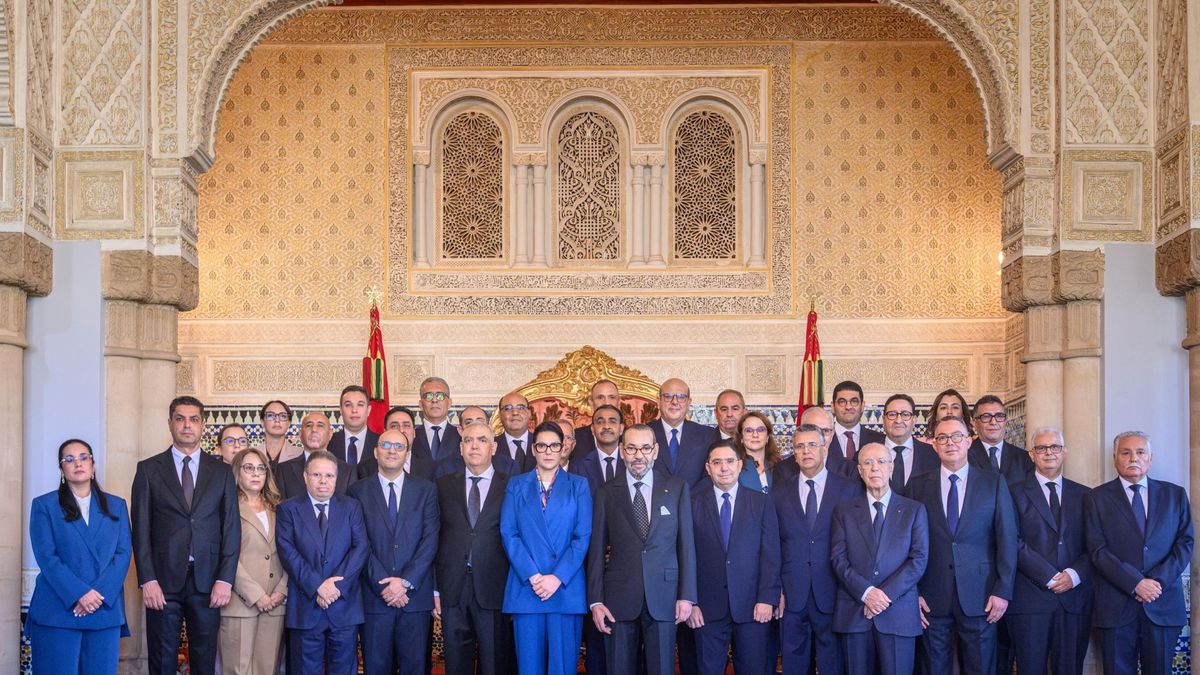
On October 16, King Mohammed VI of Morocco appointed a new government, marking a significant, yet familiar, moment in the nation's political landscape. The new cabinet is headed by Prime Minister Fatima Zohra Al Mansouri, a prominent figure from the Authenticity and Modernity Party (PAM). This appointment, widely noted for making her the first woman to lead a Moroccan government, follows PAM's victory in the September parliamentary elections. The party, which secured the most seats, has formed a coalition with three other parties, ensuring its dominance in the new administration and signaling a carefully managed transition of power.
The appointment of Al Mansouri and the rise of PAM are not merely the outcome of democratic elections but rather a carefully orchestrated reflection of Morocco's enduring power structure, often referred to as the Makhzen. The Makhzen encompasses the monarchy and its close associates, who wield ultimate authority over the nation's political, economic, and security apparatus. PAM itself was founded in 2008 by Ali Himma, a close advisor to the King, with the explicit aim of countering the growing influence of political Islam, particularly the Justice and Development Party (PJD).
Following the Arab Spring protests in 2011, which saw calls for greater democratic accountability across the region, the Makhzen strategically adapted. While granting some concessions to political parties, including the PJD, the core power remained centralized. Himma's formal distancing from PAM in 2011 to become a royal advisor further solidified perceptions that the party remained an extension of the palace's will. Its subsequent evolution, from a perceived royal proxy to a seemingly legitimate political force, involved a deliberate strategy of rejuvenation and participation in previous coalition governments, culminating in its recent electoral victory.
However, the legitimacy of this victory is tempered by several factors. A striking 62 percent of eligible voters abstained from the polls, a clear indicator of widespread public disillusionment with the political process. Reports of authorities actively urging citizens to vote on election day, coupled with suspicions of irregularities and the last-minute inclusion of popular figures like football federation president Faouzi Laaqjea into PAM's ranks, further underscore the manufactured nature of the electoral outcome. The fact that the new government retains more than half the members of its predecessor, and that key
Source referenced: ALJAZEERA
This brief was synthesized by our Editorial Engine and reviewed by The Ground Narrative team.