TRENDING

Monday, 19 October 2026
----------------------
8 Jumada Al-Awwal 1448 AH
Israel's political landscape is united by a hawkish stance on Iran, with opposition leaders often outflanking the sitting Prime Minister. This consensus, fueled by public opinion, masks significant human and strategic costs that remain largely unaddressed in the election debate.
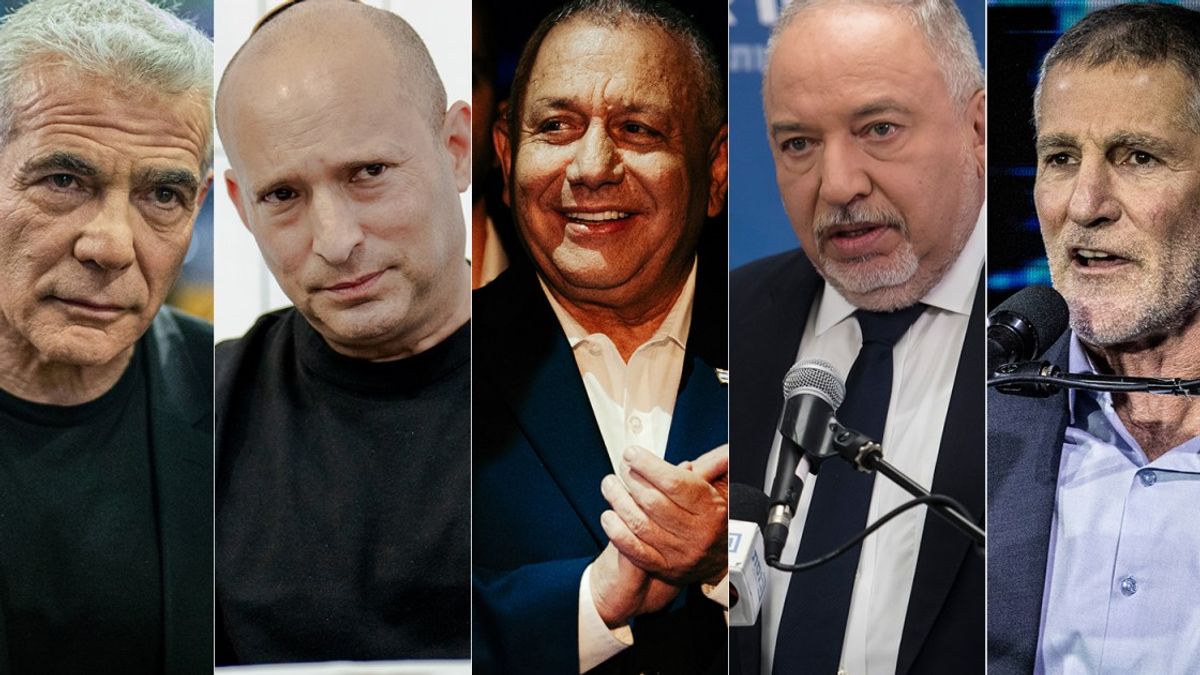
In February, Israel, with explicit backing from the United States, launched a significant military assault on Iran. This confrontation, which garnered widespread support within Jewish Israeli public opinion and across Israeli political parties, was abruptly halted in June. The cessation came after an announcement by US President Donald Trump, who stated that both Iran and Israel had agreed to cease hostilities. This unexpected pause, and Prime Minister Benjamin Netanyahu's decision to abide by it, proved unpopular in Israel, with a substantial majority of Jewish Israelis believing it did not serve their national security interests. As Israel prepares for national elections on October 27, Iran remains a central and highly charged issue, with opposition parties leveraging the conflict to criticize Netanyahu's leadership and promise a more assertive security posture.
The political dynamics surrounding Israel's Iran policy are complex, driven by a deep-seated national security doctrine, domestic political competition, and the critical influence of the United States. At the core is a broad, almost unanimous, hawkish consensus within mainstream Zionist parties regarding Iran. This isn't merely a political stance but a reflection of a perceived existential threat, particularly concerning Iran's nuclear program. The Israel Democracy Institute reported that 65 to 70 percent of Jewish Israelis felt stopping the February-June conflict was against national security interests, underscoring the public pressure on leaders to maintain a hard line.
Opposition leaders, far from offering a moderate alternative, have actively sought to outflank Netanyahu on this issue. Gadi Eisenkot, a frontrunner, insists the conflict is
Source referenced: ALJAZEERA
This brief was synthesized by our Editorial Engine and reviewed by The Ground Narrative team.


