TRENDING

Wednesday, 21 October 2026
----------------------
10 Jumada Al-Awwal 1448 AH
A blast and blaze at Canadian Forces Base Wainwright left at least seven soldiers dead and dozens injured. The incident exposes deep‑seated pressures in Canada’s defence apparatus and raises questions about accountability.
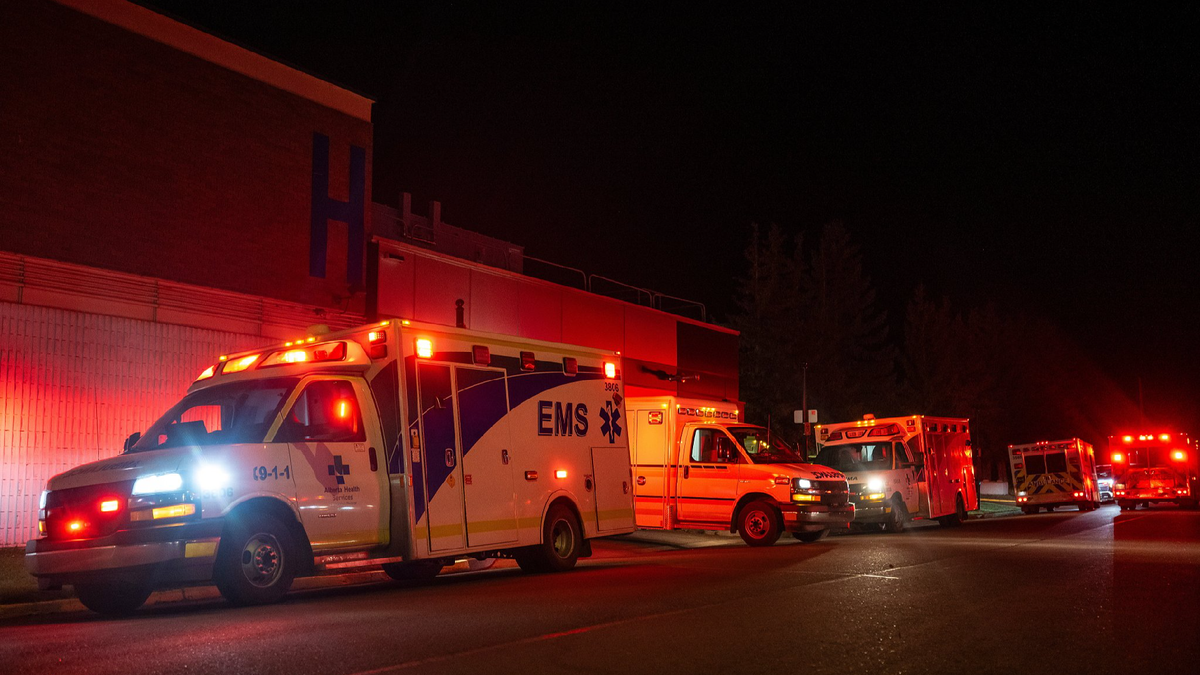
On October 17, 2026, an explosion ripped through Canadian Forces Base Wainwright in western Alberta, igniting a fire that quickly engulfed nearby fuel stores and a natural‑gas pipeline. Local media reported at least seven fatalities and dozens of injuries among soldiers participating in live‑fire training. Emergency crews from Edmonton and the surrounding municipal district were dispatched, and hospitals were placed on Code Orange to handle the surge of patients. The defence minister, David McGuinty, confirmed a "serious incident" but withheld exact casualty figures, promising further updates as the situation unfolded.
The tragedy sits at the intersection of three structural forces. First, Canada’s defence budget has been stretched thin by commitments to NATO, Arctic sovereignty patrols, and a growing procurement pipeline that includes new armored vehicles and fighter jets. This fiscal pressure pushes training units to maximise live‑fire exercises, often on ageing ranges that sit adjacent to civilian energy infrastructure. Second, political survival plays a role: the Liberal government has framed defence spending as a national security imperative, making any pause in training a potential political liability. Third, the industrial geography of western Alberta—a hub for oil and gas—means that military installations share space with private pipelines, creating a latent risk that is rarely highlighted in public briefings. The confluence of budget constraints, political messaging, and industrial proximity created a setting where a single errant round could trigger a cascade of damage.
- Soldiers and families – The dead include junior enlisted personnel, many of whom were recent recruits from small towns across Canada. Their families now face sudden loss, funeral expenses, and a prolonged grieving process.
- Local community – The town of Wainwright relies on the base for employment; the incident strained local hospitals, disrupted schools, and sparked fears about environmental contamination.
- First responders – Firefighters and medics worked under hazardous conditions, exposing themselves to toxic smoke and the risk of secondary explosions.
- Indigenous lands – The base borders Treaty‑6 territory; any long‑term environmental impact could affect hunting, fishing, and cultural sites traditionally used by nearby First Nations.
Government spokespeople have emphasized the "active and delicate" nature of the response, but they have not addressed why live‑fire drills were conducted so close to a high‑pressure gas line. Internal audits from previous years warned that the range’s proximity to energy infrastructure posed a "significant safety risk," yet budgetary constraints delayed mitigation measures.
The defence department’s push to certify new artillery systems before the 2027 procurement deadline may have incentivised accelerated training schedules. Critics argue that the urgency to demonstrate operational readiness for upcoming contracts can eclipse safety protocols.
Initial statements focused on casualty numbers, while the potential release of hydrocarbons and combustion by‑products received scant attention. Independent environmental groups have flagged the possibility of soil and water contamination that could affect agriculture and drinking water for years.
Watch for the results of the independent inquiry that the minister promised, particularly any recommendations on range relocation or infrastructure upgrades. Legislative hearings in the House of Commons will likely probe defence spending allocations and the influence of defence contractors on training schedules. Finally, monitor community health reports from Wainwright and surrounding First Nations for signs of long‑term exposure to pollutants, as these will indicate whether the incident’s impact extends beyond the immediate tragedy.
Investigators believe a live‑fire exercise struck a nearby natural‑gas pipeline, triggering an explosion and subsequent blaze. The exact chain of events is still under review.
The tragedy could prompt a review of training safety standards, range locations, and budget allocations for infrastructure upgrades. Political pressure may also force the government to reassess the pace of new weapons procurement.
Editor's Note: Analysis based on publicly available reports and historical context; details may evolve as official investigations progress.
Source referenced: CGTN
This brief was synthesized by our Editorial Engine and reviewed by The Ground Narrative team.