TRENDING

Monday, 12 October 2026
----------------------
1 Jumada Al-Awwal 1448 AH
The White House is considering releasing sensitive intelligence related to China's ability to interfere in US elections, sparking debate over declassification and potential implications for US-China relations.
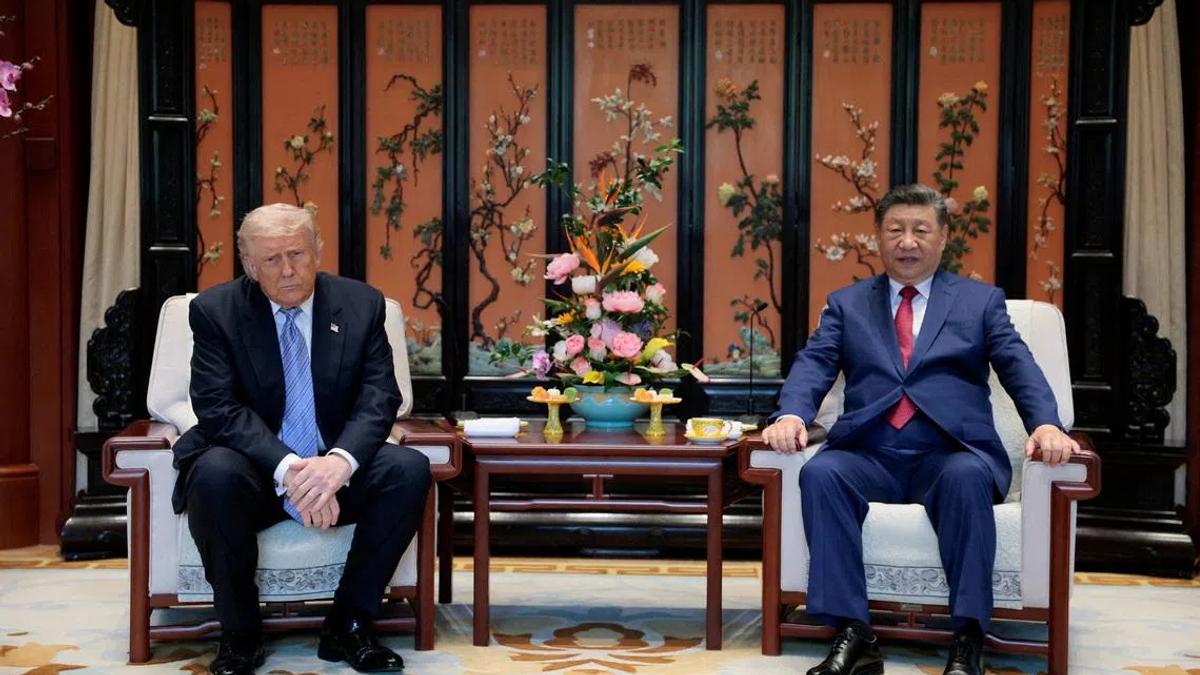
The White House is weighing the release of sensitive intelligence related to China's potential interference in the 2020 US presidential election. This development has sparked debate over declassification and potential implications for US-China relations.
According to sources, the White House is considering releasing intelligence collected and analyzed during the Trump administration's first term. The intelligence is classified and relates to whether China had the intention or ability to disrupt US elections in 2020. However, the sources emphasize that the intelligence does not show Beijing had manipulated or changed votes.
The release of this intelligence has significant geopolitical implications. If the White House decides to declassify the intelligence, it could reveal sources and methods of collection, potentially compromising national security. Additionally, the release could insinuate that Beijing successfully interfered in past elections, further straining US-China relations.
The debate over declassification is not new. In 2021, a US intelligence community assessment found no indications that any foreign actor attempted or succeeded in altering "any technical aspect" of the 2020 presidential election vote. However, former intelligence analysts, including Christopher Porter, wrote a dissent to that report, arguing that China had the ability to interfere in the elections and could be trying to do so.
The release of sensitive intelligence on China's potential interference in US elections could have significant regional implications. It could further escalate tensions between the US and China, potentially leading to a deterioration in bilateral relations. Additionally, the release could have implications for other countries in the region, potentially influencing their views on China's intentions and actions.
The release of sensitive intelligence on China's potential interference in US elections could have far-reaching consequences. It could lead to a re-evaluation of US-China relations, potentially influencing future diplomatic efforts. Additionally, the release could have implications for the 2024 US presidential election, potentially influencing the campaign narrative and voter sentiment.
The White House's decision to release sensitive intelligence on China's potential interference in US elections is a complex issue with significant geopolitical implications. While the release could provide valuable insights into China's intentions and actions, it also risks compromising national security and straining US-China relations. As the White House weighs its options, it is essential to consider the potential consequences of declassification and the implications for US-China relations.
Source referenced: STRAITSTIMES
This brief was synthesized by our Editorial Engine and reviewed by The Ground Narrative team.