TRENDING

Monday, 12 October 2026
----------------------
1 Jumada Al-Awwal 1448 AH
A recent deal between the US and Russia, lifting sanctions on Russian diesel exports, reveals how domestic political pressures in powerful nations can reshape global alliances and leave vulnerable states isolated. As winter approaches, Ukraine faces a stark reality, questioning the unwavering support it once relied upon.
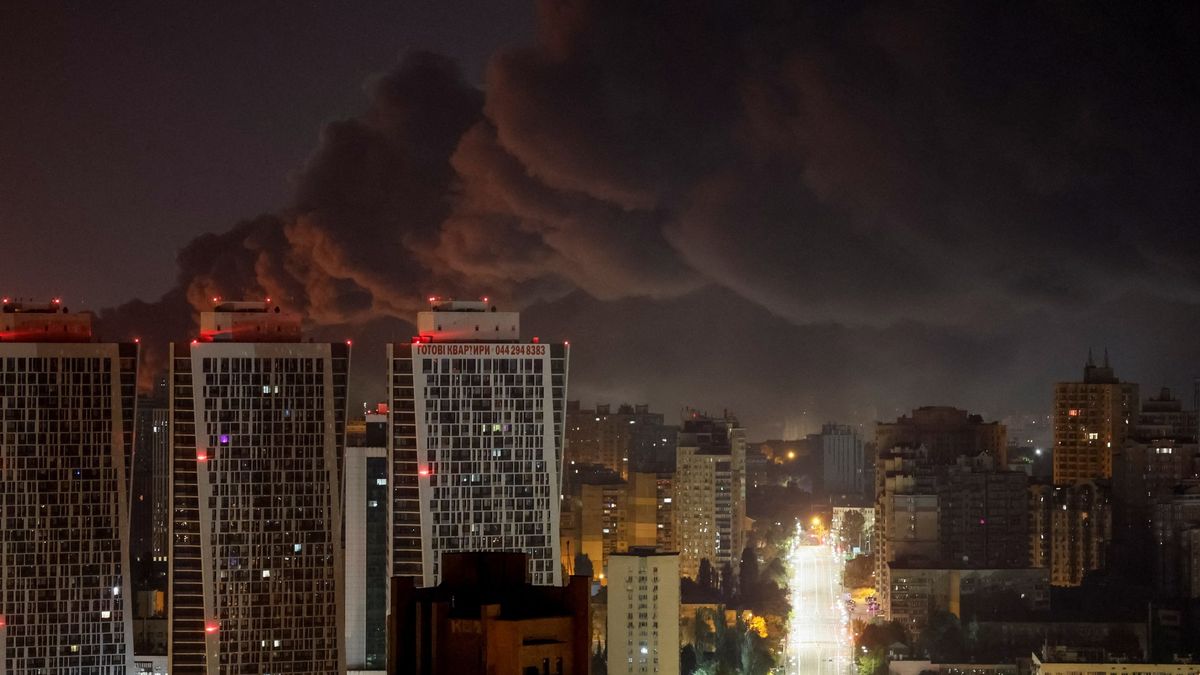
Weeks before crucial US midterm elections, President Donald Trump brokered a deal with Russian President Vladimir Putin to lift a ban on Russian diesel exports. This move, which saw the US Department of the Treasury issue a sanctions waiver on Russian fuel, was presented as a response to a growing global crisis in energy supplies and prices. For the White House, the timing was critical, aiming to demonstrate action on domestic economic concerns to American voters. However, the agreement immediately cast a shadow over the United States' commitment to Ukraine, as it effectively prioritized internal political survival and energy market stability over the sustained isolation of Moscow.
The diesel deal is a stark illustration of how the mechanics of power often prioritize immediate domestic political survival and economic stability over long-term geopolitical commitments. For President Trump, securing a visible win on energy prices ahead of a challenging midterm election was paramount. The narrative of bringing down fuel costs resonated directly with American households, offering a tangible benefit that could sway voters. This placed Ukraine's strategic importance and the broader goal of weakening Russia in a secondary position, revealing the transactional nature of power when national interests are narrowly defined.
Russia's enduring leverage in the global energy market is another critical power dynamic at play. Despite years of Western sanctions aimed at crippling its economy, Moscow remains a pivotal supplier of oil and gas. Putin's ability to oblige Trump's request for diesel exports underscores that Russia cannot be easily isolated, especially when global demand for energy outstrips supply. This deal not only generated revenue for Russia but also served as a powerful diplomatic signal, demonstrating that even its adversaries might be compelled to engage when their own interests are at stake. It subtly validates Moscow's resilience and its strategic positioning in the global energy architecture, effectively undermining the West's collective efforts to diminish its influence.
For Europe, the conflict in Ukraine has evolved into something far grander than simply defending a sovereign nation. It has become a perceived opportunity to fundamentally weaken Russia, an adversary that has historically shaped the continent's security landscape. This perspective transforms Ukraine into a proxy, a battleground where Europe can bleed Russia without directly committing its own forces to a full-scale war. The willingness of European nations to fund half of Kyiv's budget, despite their own energy crises and economic strains, points to a deeper strategic calculus. This includes a form of
Source referenced: ALJAZEERA
This brief was synthesized by our Editorial Engine and reviewed by The Ground Narrative team.