TRENDING

Monday, 5 October 2026
----------------------
24 Rabi' Al-Thani 1448 AH
A new novel, Etna, reimagines the Odyssey from a canine perspective, shedding light on the devastating impact of war on animals and humans alike. Meanwhile, another novel, Whyteface, satirizes the complexities of racial identity and migration in Europe.
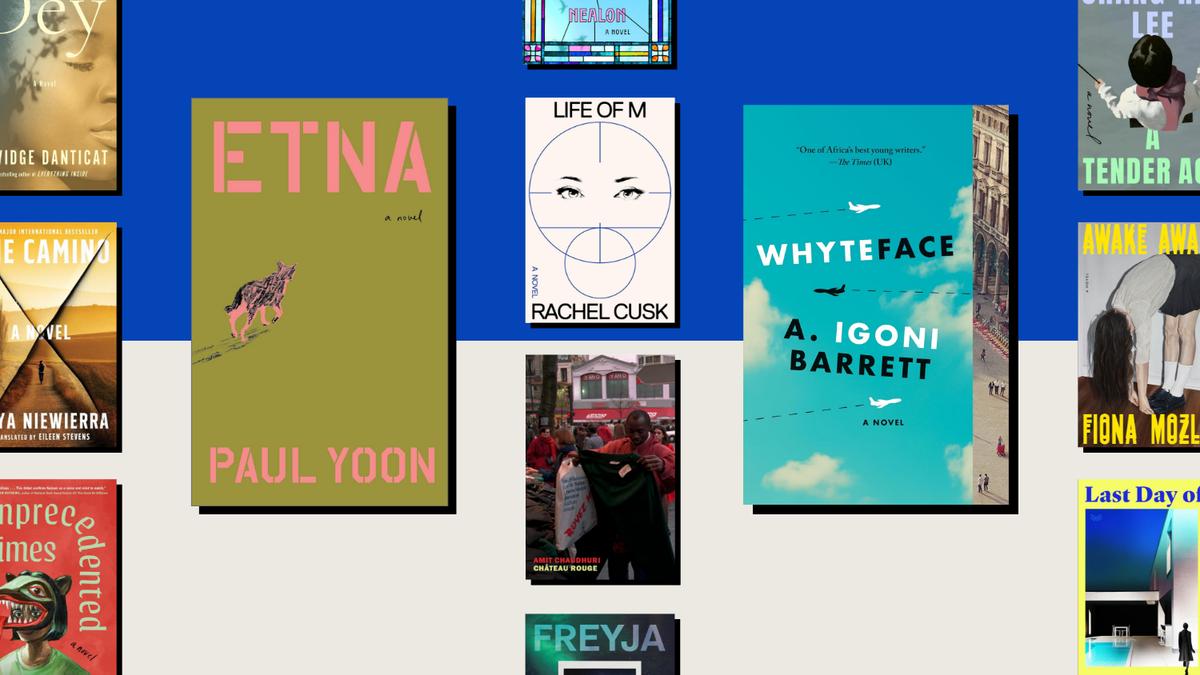
Two new novels, Etna by Paul Yoon and Whyteface by A. Igoni Barrett, offer unique perspectives on the human experience of war, displacement, and identity. Etna, narrated by an ex-military dog, recounts the devastating aftermath of a war in an unnamed Asian country, while Whyteface follows a Nigerian man who wakes up one morning to find himself transformed into a Caucasian, exploring the complexities of racial identity and migration in Europe.
The novels highlight the power dynamics at play in conflict zones and the global migration landscape. In Etna, the US military's involvement in the war has left the country in ruins, with the local population struggling to survive. The novel critiques the West's role in perpetuating conflict and neglecting the humanitarian needs of affected communities. Whyteface, on the other hand, exposes the racial prejudices and biases that underpin European societies, revealing the contradictions and hypocrisies of the continent's migration policies.
Both novels shed light on the human cost of war and migration. In Etna, the protagonist's journey is a powerful reminder of the long-term effects of trauma and displacement on individuals and communities. Whyteface, meanwhile, highlights the struggles faced by migrants and the absurdities of racial identity in a globalized world. The novels demonstrate how the consequences of conflict and migration are felt not only by humans but also by animals, who are often overlooked in discussions of war and its aftermath.
The novels also reveal the untold stories of those affected by conflict and migration. Etna's narrative is a testament to the resilience and adaptability of animals in the face of war, while Whyteface's protagonist, Frank, embodies the complexities and contradictions of racial identity in a globalized world. The novels suggest that the experiences of those affected by conflict and migration are often downplayed or omitted from official narratives, and that it is essential to amplify these voices to gain a more nuanced understanding of the human cost of war and migration.
As the global migration landscape continues to evolve, it is essential to watch for the ways in which powerful actors, including governments and corporations, respond to the challenges posed by migration and conflict. The novels suggest that a more nuanced understanding of the human cost of war and migration is necessary to develop effective solutions to these complex problems. Readers should look for further explorations of the intersections between conflict, migration, and identity, and for more stories that amplify the voices of those affected by these issues.
Editor's Note: The analysis is based on a nuanced reading of the two novels and may not reflect the full complexity of the issues discussed.
Source referenced: FOREIGNPOLICY
This brief was synthesized by our Editorial Engine and reviewed by The Ground Narrative team.


