TRENDING

Monday, 5 October 2026
----------------------
24 Rabi' Al-Thani 1448 AH
Russia's attack on Ukraine's Izmail port and Ukraine's retaliatory strikes on Russian oil refineries mark an escalation in economic warfare, directly impacting global food security and domestic consumer prices.
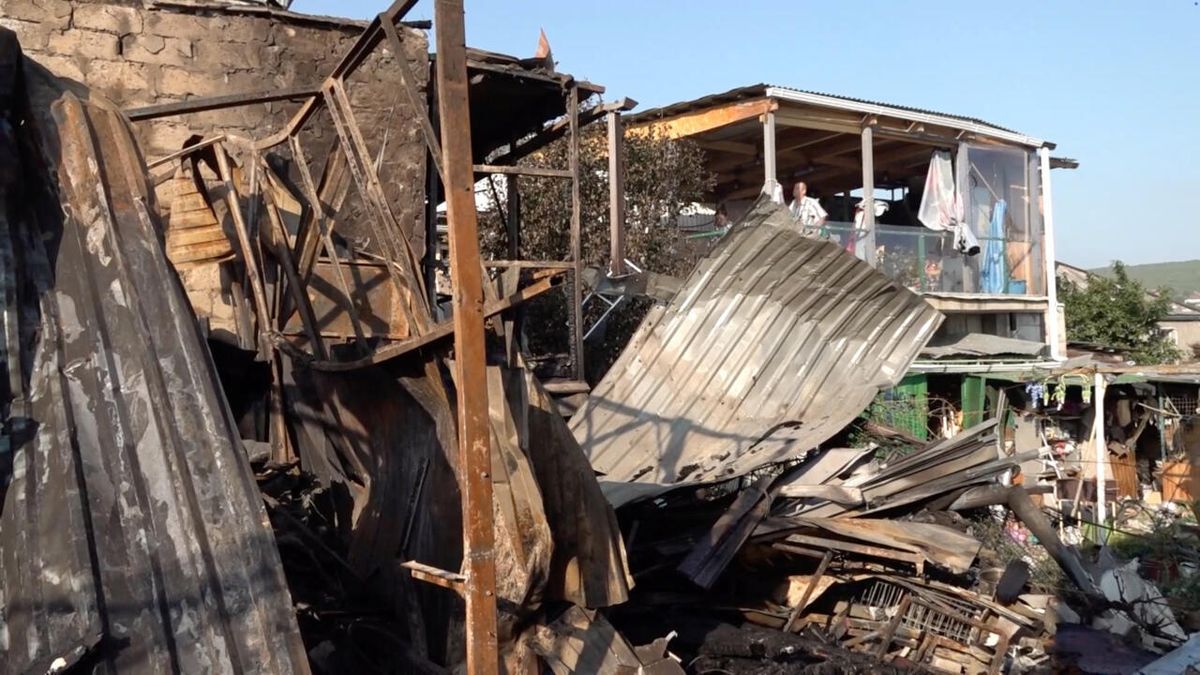
Russian forces launched a significant drone attack on Ukraine's Izmail port, a critical Danube River hub for grain exports, causing extensive damage and fires. This strike followed closely on the heels of Ukrainian drone assaults targeting Russian oil refineries and industrial facilities across multiple regions, including a major oil refinery in Salavat and logistics centers in Bashkortostan. These reciprocal attacks represent a clear escalation in the economic dimension of the conflict, with both sides aiming to cripple the other's vital export and logistical infrastructure.
This latest exchange underscores a strategic shift towards economic warfare, where the battlefield extends far beyond traditional front lines to encompass global supply chains and domestic economies. Russia's targeting of Izmail, a key alternative route for Ukrainian grain after the collapse of the Black Sea Grain Initiative, aims to choke Ukraine's primary source of export revenue and exert pressure on international food markets. By disrupting grain shipments, Moscow seeks to weaken Kyiv's financial resilience and potentially destabilize countries reliant on Ukrainian agricultural exports.
Conversely, Ukraine's sustained drone campaign against Russian energy infrastructure and logistics hubs is designed to inflict economic pain on Moscow. Attacks on oil refineries directly impact Russia's ability to process and export petroleum products, a cornerstone of its war economy. The resulting fuel price hikes and increased transportation costs within Russia demonstrate an effort to generate domestic economic instability and divert resources from the war effort to internal economic management.
The broader power dynamic also reveals Ukraine's precarious reliance on external military aid. President Zelensky's plea for a small percentage of US Patriot interceptors highlights a critical vulnerability in air defense, exacerbated by the diversion of these systems to other global conflicts, specifically the US-Israel conflict with Iran. While European Union financing has surged to fill some gaps, the long-term sustainability of this support and the capacity of Western allies to meet Ukraine's evolving defense needs remain central to Kyiv's ability to withstand Russia's intensified missile and drone campaigns.
The human cost of this escalating economic conflict is borne by ordinary citizens far from the negotiating tables. In Ukraine, the UN reports civilian deaths in July reached their highest level since May 2022, a grim indicator of the war's intensifying toll. The crippling 76% year-on-year drop in grain shipments directly impacts Ukrainian farmers, agricultural workers, and the national economy, threatening livelihoods and long-term recovery prospects. For a country whose economy is deeply intertwined with agricultural exports, these attacks undermine the very fabric of rural communities.
On the Russian side, the impact of Ukrainian drone strikes is manifesting as tangible economic hardship. Fuel prices have surged by 16-18% in a single month, leading to a significant increase in trucking costs—up to 50% on some routes. This inflationary pressure translates directly into higher prices for everyday goods, squeezing household budgets and increasing the cost of living for millions of Russians. Shortages of goods due to disrupted supply chains further compound these challenges, creating widespread economic anxiety. Beyond the immediate belligerents, the global population, particularly in developing nations reliant on affordable grain, faces the specter of increased food insecurity and price volatility as a direct consequence of attacks on critical export infrastructure.
What remains largely unaddressed by powerful actors on both sides is the far-reaching, systemic impact of targeting essential civilian economic infrastructure. Governments often frame these attacks as legitimate military objectives, focusing on strategic gains while downplaying the ripple effects on global markets and the well-being of non-combatant populations. The direct link between the destruction of Ukrainian ports and potential global food price spikes, for instance, is rarely highlighted in official statements, which tend to prioritize national security narratives over humanitarian and economic consequences.
Furthermore, the narrative of unwavering international support for Ukraine often glosses over the practical limitations and geopolitical trade-offs that dictate the flow of critical military aid. The diversion of advanced air defense systems like Patriots due to other conflicts exposes a finite global supply and a complex web of competing demands on Western military industrial capacity. This reality means Ukraine's security is not solely dependent on political will, but also on the broader global security landscape and the capacity of its allies to manage multiple crises simultaneously, a detail often omitted in public declarations of solidarity.
Readers should closely watch the resilience of Ukraine's alternative export routes, particularly via the Danube, and how effectively Russia can protect and repair its vital energy infrastructure. The success or failure of these economic warfare tactics will significantly influence the conflict's trajectory and the domestic stability of both nations. Pay attention to how rising inflation and potential shortages in Russia might affect public sentiment and the Kremlin's ability to sustain its war effort.
Internationally, the focus will be on whether the European Union can maintain and even increase its substantial military and financial aid to Ukraine, especially in the face of potential long-term US disengagement or diversion of resources. The availability of critical air defense systems, like the Patriots, will be a key indicator of Ukraine's ability to defend its cities and infrastructure through the upcoming winter. Finally, observe the global food markets; any further significant disruption to Ukrainian grain exports will likely trigger price volatility and heightened food insecurity, revealing the true global reach of this localized conflict.
Source referenced: FRANCE24
This brief was synthesized by our Editorial Engine and reviewed by The Ground Narrative team.


