TRENDING

Sunday, 4 October 2026
----------------------
23 Rabi' Al-Thani 1448 AH
Venezuela seeks to access its gold reserves held in the UK to fund reconstruction efforts amidst surging inflation and devastating earthquakes. The move highlights the complex web of power dynamics and international relations that underpin the country's struggles. As Venezuela navigates this challenging landscape, the human cost of its economic woes and natural disasters continues to mount.
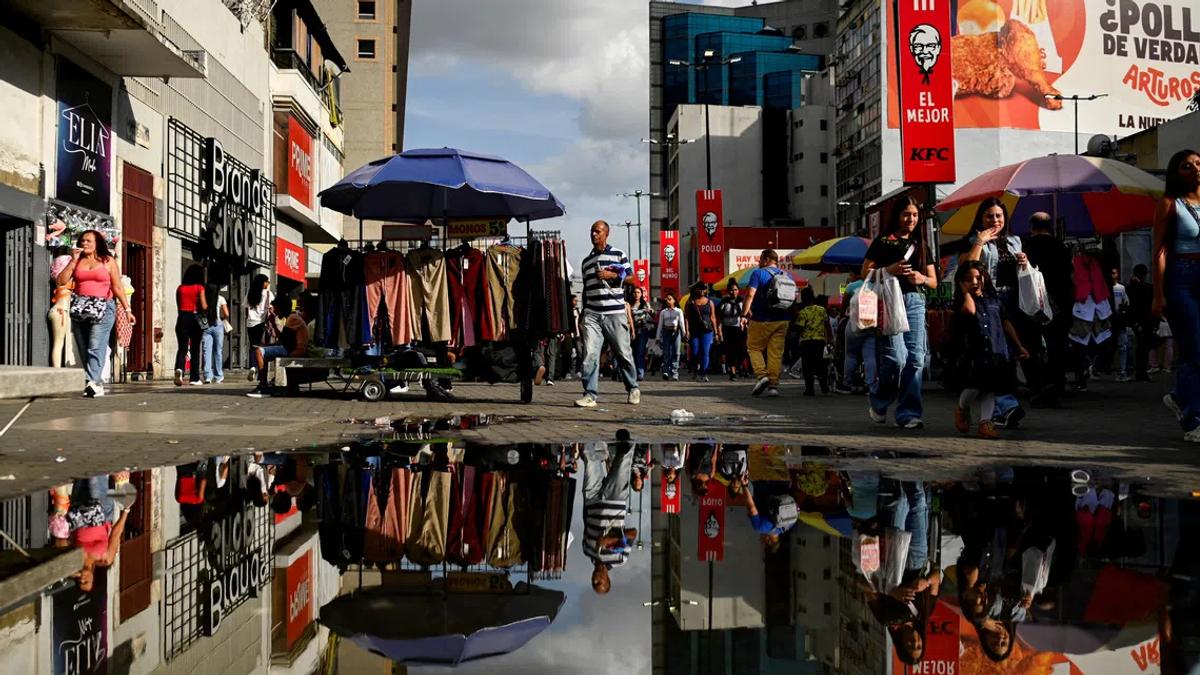
Venezuela is looking to tap into its gold reserves held in the UK to fund reconstruction efforts in the wake of devastating earthquakes that killed over 6,000 people. The gold, worth an estimated $4 billion, has been held in the Bank of England's vaults, but its release has been blocked due to the UK's refusal to recognize the legitimacy of President Nicolas Maduro's government.
The situation highlights the intricate power dynamics at play in international relations. The UK's refusal to release the gold reserves is a manifestation of its stance on the Venezuelan government's legitimacy, which is closely tied to the country's political and economic struggles. The US, which has also been involved in the situation, has its own interests and agendas in the region, further complicating the issue. The Venezuelan government's efforts to access its gold reserves are, therefore, not just about reconstruction but also about asserting its sovereignty and legitimacy on the international stage.
The people of Venezuela are bearing the brunt of the country's economic woes and natural disasters. The recent earthquakes have not only caused widespread destruction but also disrupted the distribution of goods, leading to a surge in inflation. The year-on-year inflation rate stands at a staggering 575.9%, making it difficult for ordinary citizens to access basic necessities. The focus on reconstruction efforts is, therefore, crucial, but it is also important to acknowledge the human cost of the ongoing crisis and the need for a more sustainable and equitable solution.
What is often downplayed in the narrative surrounding Venezuela's struggles is the role of international actors and their interests in the country's resources and political landscape. The UK's refusal to release the gold reserves is not just a matter of recognizing the legitimacy of the Venezuelan government but also about maintaining its own influence and control in the region. Similarly, the US has its own agendas and interests in Venezuela, which are often not explicitly stated. The Venezuelan government's efforts to access its gold reserves are, therefore, not just about reconstruction but also about navigating the complex web of international power dynamics and asserting its sovereignty.
As Venezuela continues to navigate its complex political and economic landscape, there are several key developments to watch. The outcome of the legal battle over the gold reserves in British courts will be crucial, as it will determine whether Venezuela can access its assets and fund its reconstruction efforts. Additionally, the role of international actors, including the US and the UK, will be important to monitor, as their interests and agendas will continue to shape the situation. Ultimately, the human cost of the crisis will remain a key concern, and it is essential to prioritize the needs and well-being of the Venezuelan people in any solution or resolution.
Editor's Note: The analysis is based on publicly available information and may not reflect the full complexity of the situation. The role of international actors and their interests in Venezuela's resources and political landscape is subject to interpretation and may evolve over time.
Source referenced: STRAITSTIMES
This brief was synthesized by our Editorial Engine and reviewed by The Ground Narrative team.


