TRENDING

Monday, 5 October 2026
----------------------
24 Rabi' Al-Thani 1448 AH
Venezuela's interim government and opposition have agreed on judicial reform and accessing frozen funds to aid earthquake recovery, but the path to democratic elections remains uncertain. The deal comes after devastating earthquakes left over 6,300 people dead, highlighting the urgent need for political stability and economic relief.
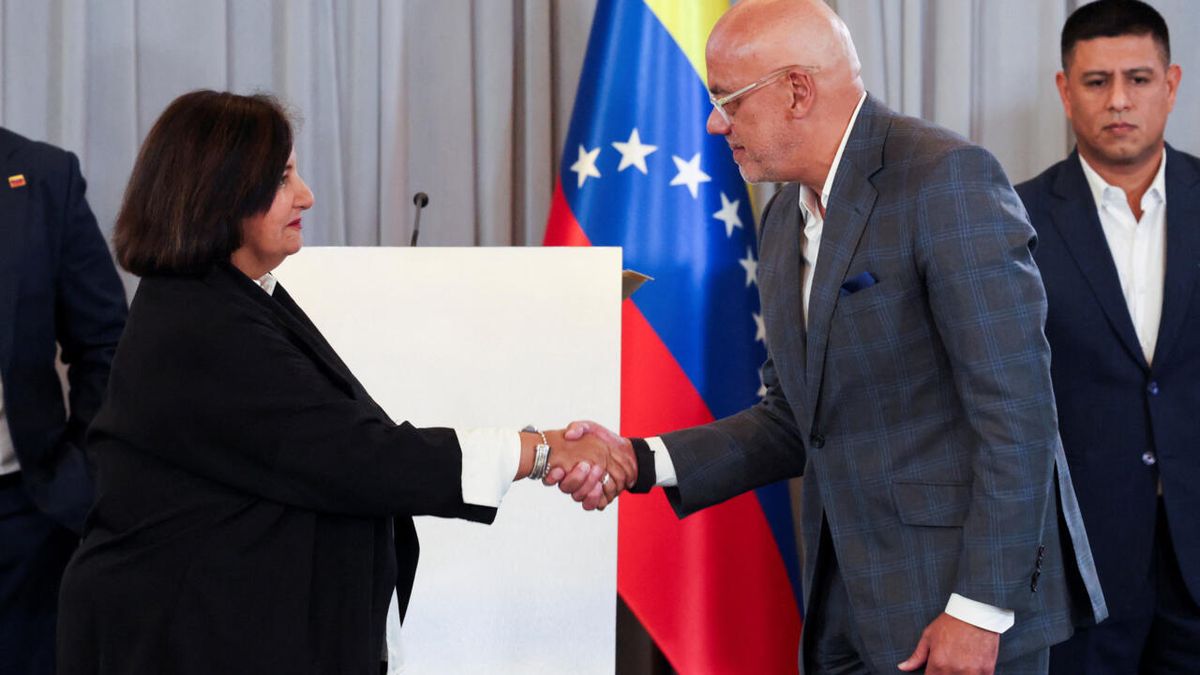
Venezuela's interim government and opposition concluded their first round of talks with agreements on judicial reform and accessing the country's frozen reserves at the Bank of England. The funds are crucial for recovery efforts following June's devastating earthquakes, which have left over 6,300 people dead. The joint statement outlined reforms to the Supreme Tribunal of Justice and the establishment of mechanisms for transparency and auditing to ensure the proper use of the released funds.
The talks represent a significant step in Venezuela's political transition, with the US-backed interim government led by Delcy Rodriguez and the opposition, represented by Dinorah Figuera, seeking common ground. The agreement on judicial reform is particularly noteworthy, given the Supreme Tribunal of Justice's role in validating Nicolas Maduro's disputed re-election in 2024. The opposition's push for reforms aims to pave the way for democratic elections, which can only be announced after the reforms give way to a new Electoral Council. The US, which has been instrumental in backing the interim government, seems to be favoring a transition that keeps certain opposition figures, like Nobel laureate Maria Corina Machado, at bay.
The devastating earthquakes have left thousands dead and many more in need of urgent assistance. The release of frozen funds is critical for providing relief and rebuilding efforts. However, the political instability and lack of trust between the government and opposition complicate these efforts. Many Venezuelans are hopeful that the transition talks will lead to democratic elections and a more stable future. The opposition's engagement with various groups, including political prisoners, retirees, and media workers, underscores the broad desire for change and the need for inclusive reforms.
What is less clear is the extent to which the US is influencing the transition process and the role of key opposition figures like Maria Corina Machado. The US has denied vetoing Machado's return to Venezuela, but her absence from the talks and the praise for Delcy Rodriguez's administration from US President Donald Trump suggest a complex geopolitical landscape. The comparison of the interim government to Nicaragua's oppressive administration by a source from the opposition delegation highlights the deep-seated mistrust and the challenges ahead in achieving a democratic and free Venezuela.
Readers should watch for the implementation of the agreed-upon reforms, particularly the transformation of the justice system and the release of frozen funds. The establishment of a new Electoral Council and the announcement of democratic elections will be crucial milestones in Venezuela's transition. The role of the US and other international actors in supporting or hindering this process will also be significant. As Venezuela navigates this fragile dance between political stability, economic relief, and geopolitical pressures, the international community's response will be critical in determining the success of these efforts.
Editor's Note: The analysis is based on publicly available information and may not reflect the full complexity of the situation on the ground.
Source referenced: FRANCE24
This brief was synthesized by our Editorial Engine and reviewed by The Ground Narrative team.


