TRENDING

Monday, 5 October 2026
----------------------
24 Rabi' Al-Thani 1448 AH
Two weeks after catastrophic earthquakes struck Venezuela, rescue operations continue with diminishing prospects of finding more survivors, as the nation confronts a profound humanitarian crisis. The disaster exacerbates Venezuela's existing economic and social vulnerabilities, posing significant challenges for recovery and potentially influencing regional stability.
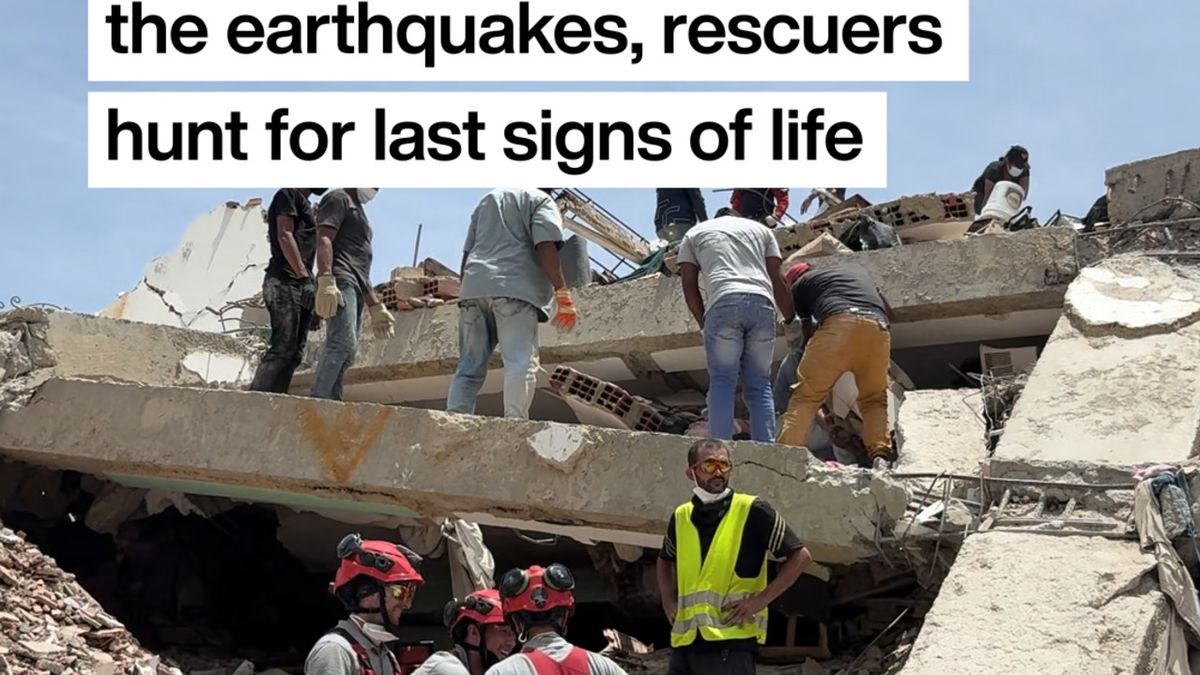
Two weeks following a series of devastating earthquakes that struck Venezuela, rescue teams are engaged in a grim search for any remaining signs of life, as hopes of finding additional survivors rapidly fade. The catastrophic events, which occurred around mid-June 2026, have claimed the lives of over 2,500 people, according to initial reports, with thousands more still unaccounted for. This profound human toll underscores a burgeoning humanitarian crisis within the South American nation, demanding immediate and sustained attention from both domestic authorities and the international community.
The scale of the disaster is immense, with widespread destruction reported across affected regions. Homes, infrastructure, and vital public services have been severely impacted, displacing countless individuals and leaving communities in dire need of shelter, food, medical aid, and clean water. The immediate focus remains on search and rescue operations, but as time progresses, the emphasis inevitably shifts towards recovery, relief, and the monumental task of rebuilding.
The earthquakes strike a Venezuela already grappling with a protracted economic crisis, hyperinflation, political instability, and severe international sanctions. For years, the country's infrastructure has suffered from underinvestment and neglect, making it particularly vulnerable to natural disasters of this magnitude. The existing fragility of public services, including healthcare and emergency response mechanisms, is now being tested to its limits, potentially hindering effective aid distribution and long-term recovery efforts.
The economic ramifications of the disaster are expected to be severe. Rebuilding damaged infrastructure—roads, bridges, utilities, and housing—will require substantial financial resources that Venezuela's strained economy can ill afford. This will likely divert funds from other critical sectors, further delaying economic recovery and potentially exacerbating social hardships. The destruction of agricultural land or industrial facilities in affected areas could also have long-term impacts on national production and food security.
The capacity of the Venezuelan government to manage a crisis of this scale is a critical geopolitical consideration. Its ability to coordinate rescue efforts, provide humanitarian aid, and initiate reconstruction will be closely scrutinized both domestically and internationally. Historically, Venezuela's political isolation and strained relations with several Western nations have complicated its access to international financial aid and expertise. This disaster presents a complex diplomatic challenge and a potential inflection point for international engagement.
While the article does not detail specific international aid efforts, the severity of the crisis typically prompts calls for global assistance. The response from international organizations and other nations will be crucial. However, the existing geopolitical landscape, including sanctions and political divisions, could complicate the delivery and coordination of aid. Any international assistance would likely need to navigate these complex political dynamics, potentially influencing future diplomatic relations and perceptions of Venezuela's government on the global stage.
Beyond the immediate humanitarian and economic impacts, the earthquakes carry significant long-term societal and regional implications. Large-scale displacement and the destruction of livelihoods could trigger internal migration flows, placing additional strain on unaffected urban centers. Furthermore, if the crisis is not adequately managed, it could potentially lead to increased outward migration, impacting neighboring countries already hosting significant numbers of Venezuelan migrants and refugees.
For the Venezuelan populace, the disaster represents an additional layer of hardship on top of years of economic and social challenges. The psychological toll on survivors and affected communities will be immense, requiring sustained support and resources. The path to recovery will be arduous, demanding not only material reconstruction but also the rebuilding of social cohesion and trust in institutions. The international community's role in supporting these efforts, while navigating the complex political environment, will be a defining factor in Venezuela's post-earthquake trajectory and its broader geopolitical standing.
As rescue teams continue their diminishing search, the focus shifts to the immense task of recovery and resilience building. The earthquakes have not only devastated a nation but have also cast a stark light on its deep-seated vulnerabilities, presenting a critical test for its government and the international community alike.
Source referenced: FRANCE24
This brief was synthesized by our Editorial Engine and reviewed by The Ground Narrative team.