TRENDING

Sunday, 4 October 2026
----------------------
23 Rabi' Al-Thani 1448 AH
The Trump administration has revoked over 175,000 visas, citing national security concerns and visa violations. This move is part of a broader immigration crackdown that has sparked controversy and raised concerns about free speech and surveillance. As the US tightens its borders, who bears the human cost, and what are the power mechanics at play?
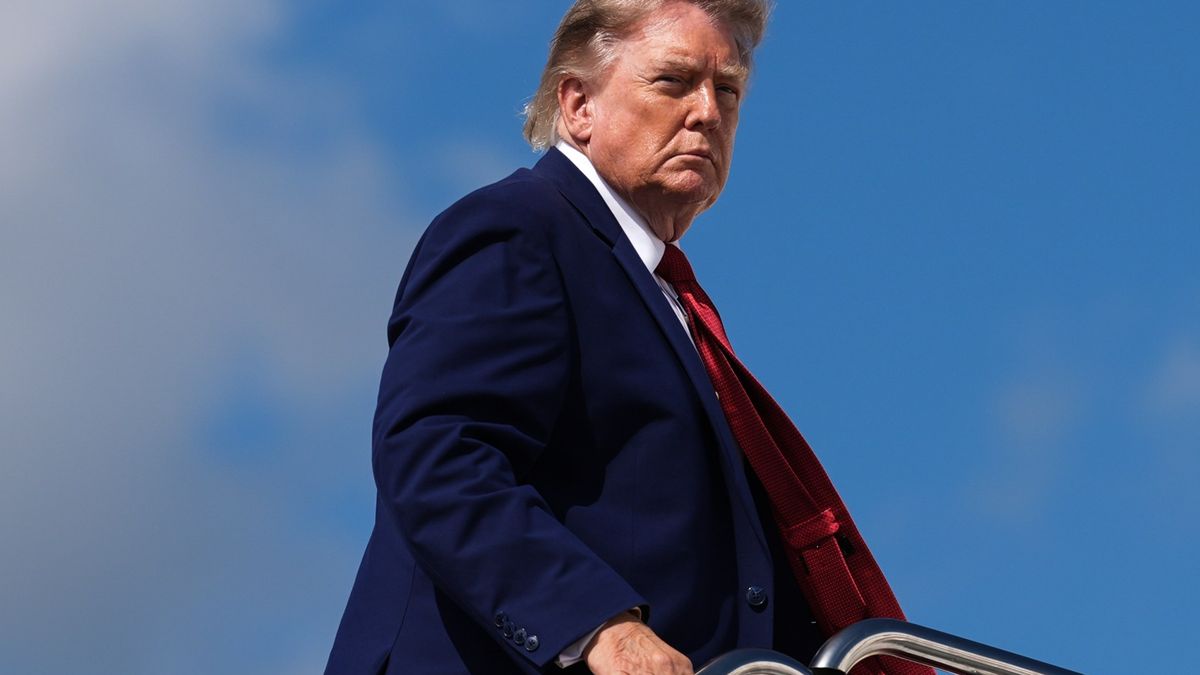
The US State Department has revoked more than 175,000 visas from foreign nationals under President Donald Trump, as part of a sweeping immigration crackdown. The revocations are largely due to law-enforcement encounters involving criminal activity, visa violations, and threats to national security. This move is a significant escalation of the administration's efforts to control immigration and protect national security.
The Trump administration's immigration crackdown is driven by a desire to assert control over the nation's borders and protect American interests. The use of visa revocations as a tool for immigration control is a key aspect of this strategy. By revoking visas, the administration can quickly and efficiently remove individuals who are deemed a threat to national security or who have violated the terms of their visa. This approach is also driven by a broader shift in US immigration policy, which emphasizes the need for stricter vetting and screening of potential immigrants.
The revocation of 175,000 visas has significant human implications. Many of those affected are individuals who have built lives in the US, with families, jobs, and communities. The sudden loss of their visa can be devastating, leaving them without a clear future or sense of security. Furthermore, the use of social media vetting and expanded screening raises concerns about free speech and surveillance. Rights advocates and human rights experts have condemned these efforts, arguing that they threaten the fundamental rights of immigrants and create a culture of fear and mistrust.
What is not being discussed in the public debate is the long-term impact of these visa revocations on US relations with other countries. The use of visa revocations as a tool for immigration control can create tensions with foreign governments, particularly if their citizens are disproportionately affected. Additionally, the emphasis on national security and immigration control may distract from other critical issues, such as the need for comprehensive immigration reform and the importance of protecting the rights of all individuals, regardless of their immigration status.
As the Trump administration continues to implement its immigration crackdown, several key developments bear watching. First, the impact of visa revocations on US relations with other countries will be critical to monitor. Second, the use of social media vetting and expanded screening will likely continue to be a source of controversy, with potential implications for free speech and surveillance. Finally, the administration's efforts to implement a stricter policy on granting visas will be important to track, as this could have significant implications for individuals seeking to enter the US.
Editor's Note: The analysis is based on publicly available information and may not reflect the full complexity of the issue.
Source referenced: ALJAZEERA
This brief was synthesized by our Editorial Engine and reviewed by The Ground Narrative team.