TRENDING

Monday, 5 October 2026
----------------------
24 Rabi' Al-Thani 1448 AH
For over seven months, Iran has maintained a blockade of the Strait of Hormuz, a critical global chokepoint for oil and natural gas. Tehran insists the waterway will remain closed until the United States accepts its diplomatic conditions, escalating a standoff with profound global economic consequences.
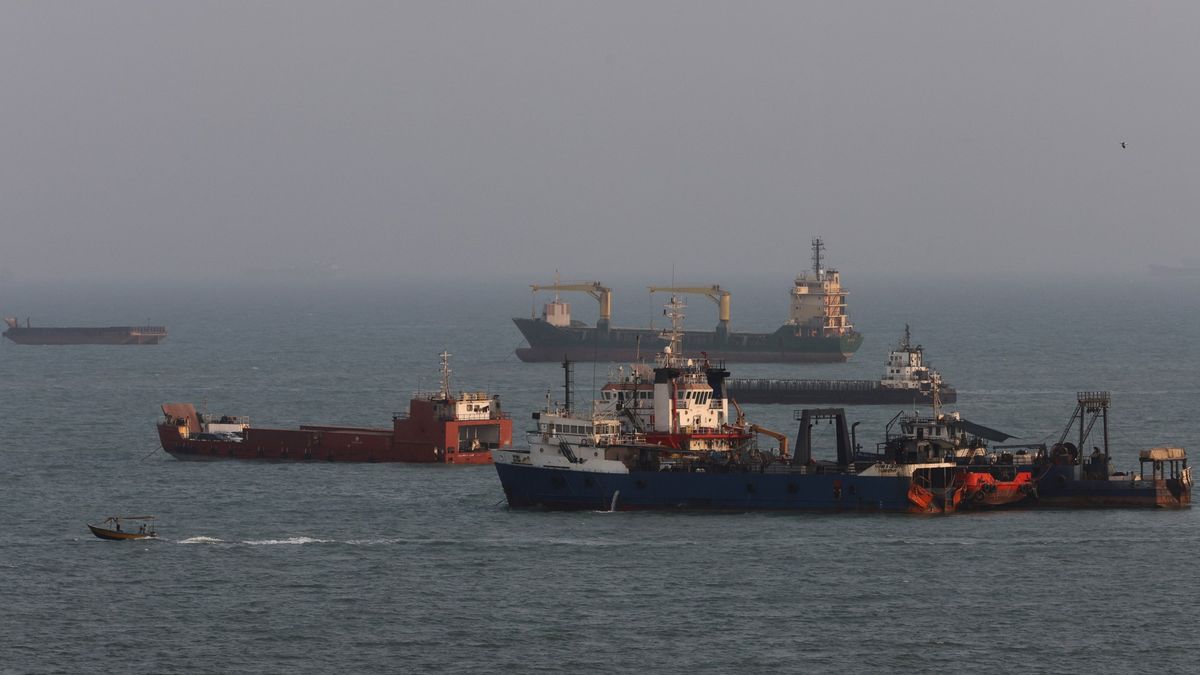
For more than seven months, the Strait of Hormuz, a vital maritime chokepoint, has been largely blocked and disrupted by Iran. This action follows what Tehran describes as US and Israeli strikes on Iran on February 28, 2026. Iran's top negotiator and parliament speaker, Mohammad Bagher Ghalibaf, has publicly stated that the strait will remain closed until the United States accepts Tehran's
The Strait of Hormuz is a narrow, strategically vital waterway connecting the Persian Gulf to the open ocean. It is critical because approximately one-fifth of the world's oil and natural gas supply transits through it, making it a key chokepoint for global energy markets.
Iran has stated it will reopen the Strait of Hormuz only when the United States accepts its 'seven conditions based on the Islamabad memorandum.' The specific details of these conditions have not been publicly disclosed, but they are believed to relate to broader security guarantees and an end to perceived US-Israeli aggression.
The closure has caused significant disruptions to global trade, leading to increased oil and natural gas prices, higher shipping costs, and longer transit times due to rerouting. This has fueled inflation, strained global supply chains, and negatively impacted economies worldwide, affecting both consumers and businesses.
Source referenced: ALJAZEERA
This brief was synthesized by our Editorial Engine and reviewed by The Ground Narrative team.


