TRENDING

Tuesday, 6 October 2026
----------------------
25 Rabi' Al-Thani 1448 AH
Kidnappers in northern Nigeria have seized dozens of farmers, leaving fields untended and threatening the nation’s food supply. The crisis reveals how criminal profit, weak security and ignored rural voices intersect.
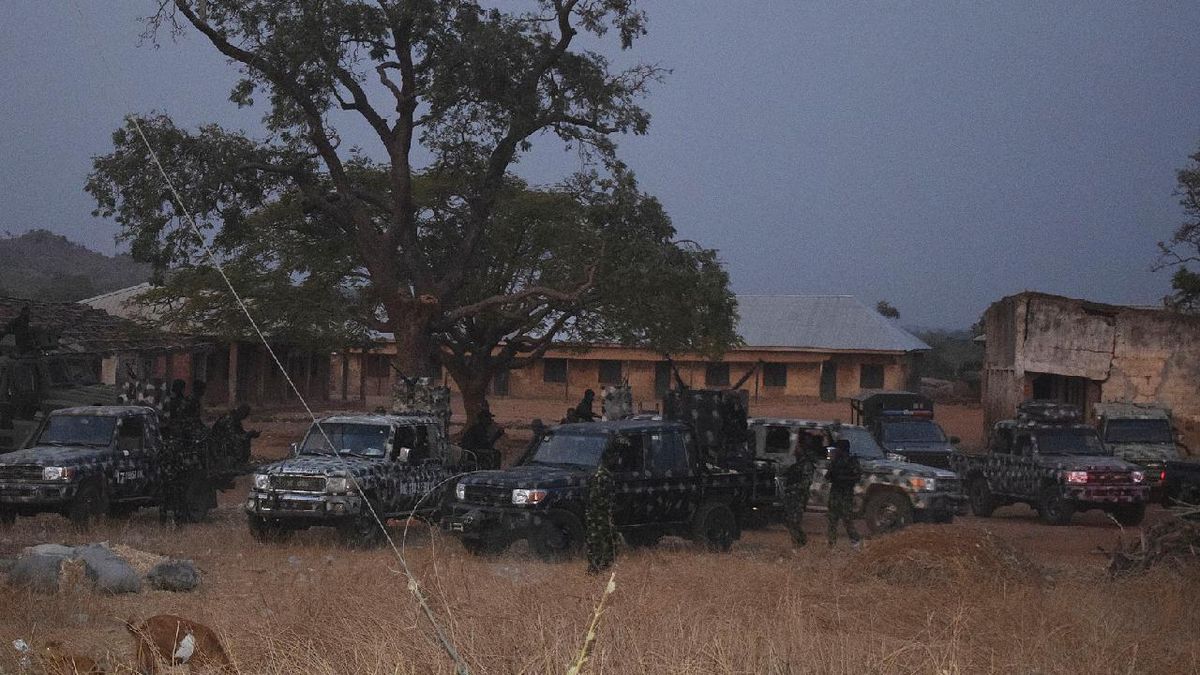
In early October 2026, armed groups abducted 47 farmers in Niger state while they were harvesting peanuts and took at least 40 women in neighboring Zamfara state. The two raids left more than 80 people missing and forced many remaining cultivators to abandon their plots, creating an immediate shortfall in the seasonal harvest. Local officials acknowledge the scale of the loss but stress that police deployments are underway.
Kidnapping has morphed into a lucrative revenue stream for loosely organized militias in northern Nigeria. Between July 2025 and June 2026, ransom payments topped $6 million, a figure that dwarfs the modest earnings of subsistence farmers. The cash flow fuels the purchase of weapons, recruitment of new fighters, and the establishment of semi‑permanent bases in remote villages.
The federal government has announced the deployment of roughly 50,000 police officers to the north‑east, yet the force is spread thin across a vast, under‑developed terrain. Political leaders face a dilemma: allocating more troops risks alienating local power brokers who often act as informal guarantors of safety, while pulling resources from other hotspots could expose urban centers to new threats.
The insecurity in Niger and Zamfara reverberates beyond Nigeria’s borders. Cross‑border smuggling routes into Niger Republic and Chad provide escape corridors for abductors, complicating joint patrols. Moreover, the disruption of agricultural output pushes price pressures into neighboring markets that already grapple with climate‑induced shortages.
When fields lie fallow, families lose not only the immediate harvest but also the seed stock needed for the next planting season. Small‑holder households, which account for over 70% of Nigeria’s agricultural labor force, see their incomes evaporate, pushing them toward debt or migration to crowded urban slums.
The abduction of women in Zamfara carries a dual trauma: the loss of labor that sustains household economies and the psychological toll of captivity. Survivors often return with lasting health issues, and their absence amplifies gender gaps in agricultural productivity, as women traditionally handle post‑harvest processing.
Unharvested peanuts, millet and sorghum translate into higher wholesale prices for staple foods across the country. Urban consumers, already strained by inflation, face steeper grocery bills, while export‑oriented agribusinesses scramble to meet contract obligations, risking penalties and loss of foreign exchange earnings.
Official statements emphasize the “ongoing deployment of police” and frame the kidnappings as isolated criminal acts. What is omitted is the systemic under‑funding of rural policing, the prevalence of corruption that allows ransom payments to slip through official channels, and the political calculus that treats northern insecurity as a secondary priority to oil‑rich southern states.
Multilateral donors have earmarked billions for Nigeria’s energy and infrastructure sectors, yet funding for rural security and agricultural resilience remains modest. The lack of visible aid for farmer protection downplays the strategic importance of food stability in a nation that supplies roughly 20% of sub‑Saharan Africa’s staple grains.
Mainstream coverage often highlights the sensational aspect of “mass kidnappings” while neglecting the longer‑term erosion of agricultural capacity. By focusing on the dramatic rescue narratives, the press sidesteps discussions about how ransom economies reshape local power structures and entrench criminal governance.
If the $6 million ransom flow continues to rise, we can expect kidnappers to expand operations into richer cash‑crop zones, further threatening Nigeria’s export potential. Monitoring bank transfers and informal money‑lending networks will reveal whether the state’s anti‑ransom policies are effective.
Watch for legislative moves that could grant the military broader authority in civilian zones or that might create special courts for kidnapping cases. Such changes could alter the balance between civil liberties and security, influencing how communities interact with state forces.
Erratic rainfall and desertification already stress northern agriculture. Combined with the loss of labor due to kidnappings, climate shocks could trigger a cascade of food shortages, prompting internal displacement and potentially fueling further conflict over scarce resources.
Stakeholders—from local farmers to international investors—should track these dynamics closely, as the intersection of crime, governance, and climate will shape Nigeria’s food future for years to come.
At least 87 people – 47 farmers in Niger state and about 40 women in Zamfara state – remain missing after the two mass abductions reported in early October 2026.
With fields left unharvested, staple crops such as peanuts and millet are lost, pushing up local food prices and threatening national food‑security buffers that already face climate stress.
The government has deployed roughly 50,000 police officers to the north, but limited resources, corruption and the sheer size of criminal networks mean many rural areas remain without effective protection.
Editor's Note: Data based on CGTN report and security analyses up to Oct 2026.
Source referenced: CGTN
This brief was synthesized by our Editorial Engine and reviewed by The Ground Narrative team.