TRENDING

Friday, 23 October 2026
----------------------
12 Jumada Al-Awwal 1448 AH
A wave of AI‑driven capital spending has sent the Nasdaq tumbling, exposing fragile market sentiment. The fallout reveals who profits, who loses, and what the next moves might be.
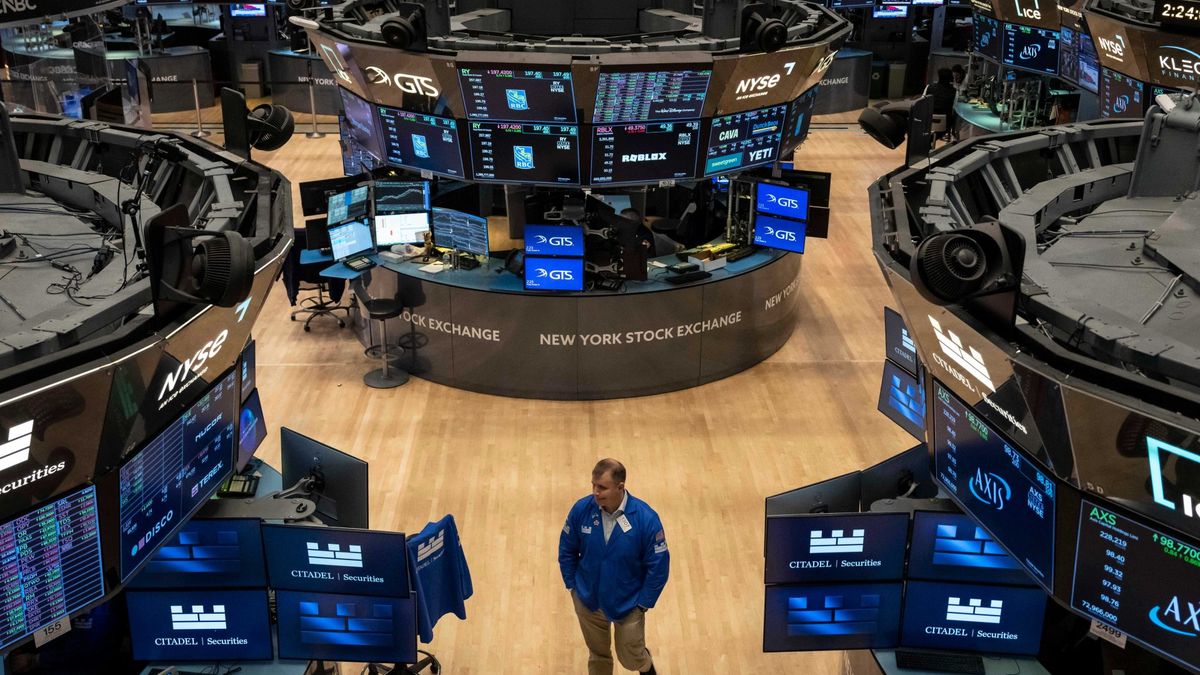
The Nasdaq Composite fell 2.6% on Thursday, its steepest drop since June, as investors reacted to soaring AI capital budgets announced by the sector’s giants. Meta warned of a $135‑$145 billion spend, while Amazon, Nvidia, Tesla, Alphabet, and Microsoft all slipped, dragging the broader S&P 500 down 1.21%. Oil prices, pushed higher by the fallout of the US‑Israel war on Iran, added to the gloom, with Brent futures topping $114 a barrel.
Investors are now weighing three intersecting forces. First, corporate boards are racing to lock in AI talent and hardware before rivals, a race that inflates balance sheets with multi‑year data‑center commitments. Second, political leaders in the United States see AI as a national security lever, rewarding firms that promise domestic chip production and reduced reliance on foreign supply chains. Third, the broader macro‑environment—rising energy costs, lingering supply‑chain bottlenecks, and a tight labor market—means that each dollar spent on AI must be justified against tighter consumer wallets and higher borrowing costs. The result is a feedback loop: higher spend fuels expectations of future earnings, which in turn inflates stock valuations, making any dip in sentiment feel like a crisis.
Small‑scale traders who bought into the AI hype during the 2023‑2025 rally saw their portfolios erode as the Nasdaq slipped below its recent peak. Many entered the market through commission‑free apps, lured by the promise of rapid gains, only to confront margin calls and forced sales when prices fell.
While headlines celebrate multi‑billion dollar budgets, the reality on the factory floor is a wave of hiring freezes and project delays. Companies like Intel and AMD have postponed expansions of chip‑fab lines, leaving thousands of engineers on standby and prompting a slowdown in wage growth for a sector that once promised sky‑high salaries.
Higher oil prices raise transportation and manufacturing costs across the board. Communities in the Gulf Coast, already grappling with environmental degradation, see gasoline prices climb, squeezing household budgets and amplifying the political pressure on local officials to justify the AI boom.
Press releases emphasize long‑term strategic advantage, but they often downplay the immediate cash‑flow strain. Meta’s revised spend, for example, is presented as an investment in “future growth,” yet the company’s earnings miss suggests that revenue is not keeping pace with the outlay. Analysts rarely highlight how these budgets could force firms to dip into debt or cut shareholder dividends.
Policy speeches in Washington tout AI as a job‑creator, yet they rarely address the displacement of routine coding, data‑labeling, and even some manufacturing roles. Training programs are announced, but funding lags, leaving a gap between the promised upskilling and the reality faced by displaced workers.
While the United States frames AI investment as a competitive edge against China, the Chinese government’s own AI subsidies and state‑backed chip initiatives receive little coverage in Western media. This omission skews the perception of a unilateral race, when in fact both superpowers are subsidizing similar expenditures, potentially inflating a global bubble.
Market watchers should monitor three signals. One, the pace of earnings reports from the “Magnificent 7” – a slowdown could trigger a broader sell‑off. Two, policy shifts in the United States Congress regarding tax incentives for AI‑related capital expenditures; any rollback could tighten corporate cash flows. Three, geopolitical developments in the Middle East that could further push oil prices upward, adding another layer of cost pressure on both consumers and tech firms. Together, these indicators will reveal whether the current dip is a temporary correction or the opening act of a longer‑term recalibration of AI‑driven market expectations.
Investors fear that the massive capital outlays may outpace revenue growth, creating a valuation gap. The sell‑off reflects sentiment that the AI boom could be over‑inflated.
Retail investors see portfolio losses, while tech engineers face hiring freezes and delayed projects. Higher oil prices also strain household budgets, especially in energy‑dependent regions.
Source referenced: ALJAZEERA
This brief was synthesized by our Editorial Engine and reviewed by The Ground Narrative team.