TRENDING

Friday, 23 October 2026
----------------------
12 Jumada Al-Awwal 1448 AH
US President Donald Trump is intensifying his push for a Ukraine peace deal, blaming Kyiv for prolonging the conflict while simultaneously easing economic pressure on Moscow. This shift is driven by domestic political pressures and a desire for a foreign policy win, raising questions about its real impact on the war and its human cost.
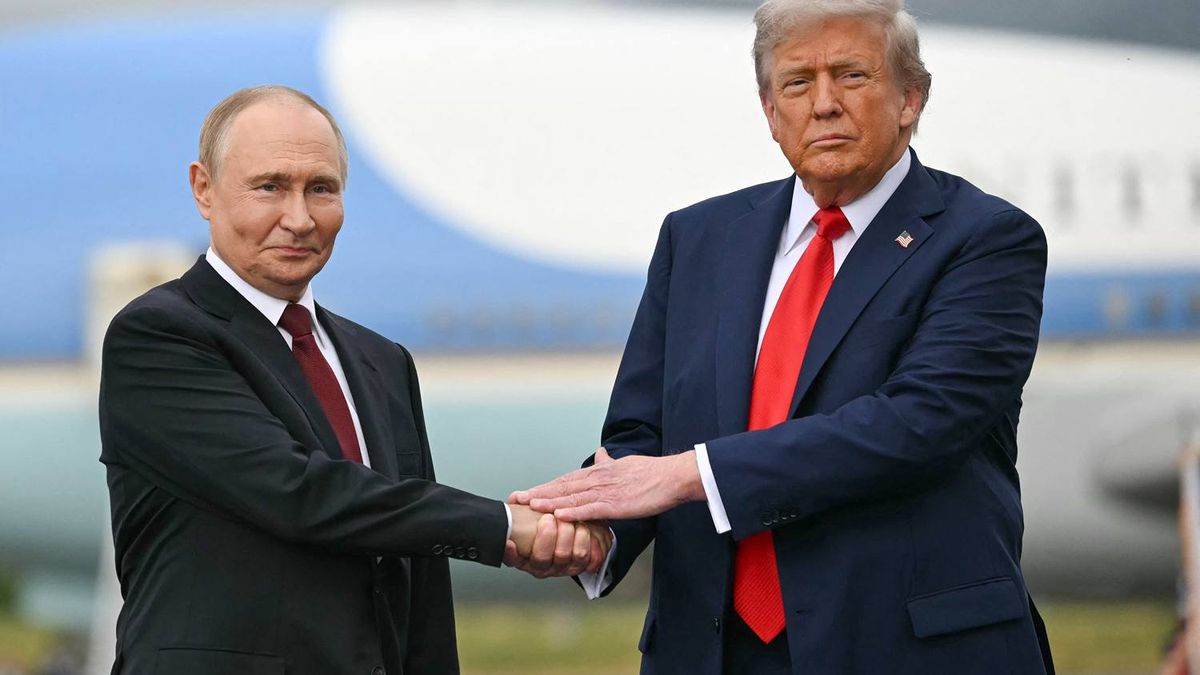
US President Donald Trump has reignited efforts to broker a peace deal in the ongoing Russia-Ukraine war during his second term, expressing growing impatience with the lack of progress. In a notable shift, Trump has publicly blamed Ukrainian President Volodymyr Zelensky for prolonging the conflict, portraying him as an obstacle to an agreement. Concurrently, the Pentagon has delayed crucial transfers of Patriot missile interceptors to Ukraine, and questions have arisen regarding a slowdown of SpaceX's Starlink satellite internet service, vital for Ukrainian military operations. Adding to these developments, Trump has taken steps to ease economic pressure on Moscow, including announcing a deal for Russia to supply diesel to the United States and waiving sanctions mandated by recent legislation. These actions have drawn criticism from some quarters, including within his own party, who view them as bolstering President Vladimir Putin's war machine.
The current push for a Ukraine peace deal is less about a sudden breakthrough in diplomacy and more about the intricate interplay of domestic political survival, economic pressures, and the pursuit of a perceived foreign policy victory. For President Trump, the primary driver appears to be the upcoming midterm elections and voter discontent over the state of the US economy, particularly high fuel prices. By blaming Zelensky for strikes on Russian energy facilities and simultaneously seeking Russian diesel, Trump attempts to frame his actions as a direct response to American citizens' economic concerns, even as other factors, like the Iran war, are acknowledged as significant contributors to rising gas prices. This strategy allows him to project an image of decisive leadership focused on American interests, irrespective of the war's dynamics on the ground.
Trump's approach to negotiations, characterized by easing restrictions on Russia rather than imposing new ones, reflects a belief that such gestures create leverage. However, this perspective stands in stark contrast to conventional diplomatic analysis, which suggests that relinquishing economic pressure without reciprocal concessions from Moscow actually diminishes bargaining power. The release of an American prisoner by Putin and the agreement to resume trilateral peace talks, while presented as positive steps, come at a relatively low cost to the Russian leader, who continues to hold firm on maximalist demands, including Ukraine ceding the Donbas region. This suggests Putin is adept at offering symbolic gestures while maintaining his strategic objectives, exploiting US domestic political timelines and divisions.
For Ukraine, the power dynamics are particularly precarious. President Zelensky finds his nation's fate increasingly entangled with US internal politics. Being labeled
President Trump's renewed push is largely driven by domestic political considerations, including the desire for a foreign policy win, easing pressure on energy markets ahead of midterm elections, and addressing voter discontent over the US economy.
Trump's actions, such as delaying Patriot missile transfers and questions over Starlink slowdowns, directly impact Ukraine's ability to defend itself against Russian strikes, making it more vulnerable to aggression and prolonging the human cost of the conflict.
Russia maintains maximalist demands, including Ukraine ceding the Donbas region. These demands are fundamentally at odds with Ukraine's territorial integrity, making a substantive, lasting peace agreement difficult to achieve without significant concessions from one side.
Editor's Note: Analysis based on hypothetical future events (Trump's second term in 2026) as presented in the raw intelligence, treating them as current for the purpose of geopolitical analysis.
Source referenced: FOREIGNPOLICY
This brief was synthesized by our Editorial Engine and reviewed by The Ground Narrative team.