TRENDING

Monday, 5 October 2026
----------------------
24 Rabi' Al-Thani 1448 AH
The US has refunded $128 billion in tariffs struck down by the Supreme Court, but the money is going back to corporate importers, not American consumers. This move highlights the power dynamics at play in US trade policy, where corporations reap the benefits while households bear the costs.
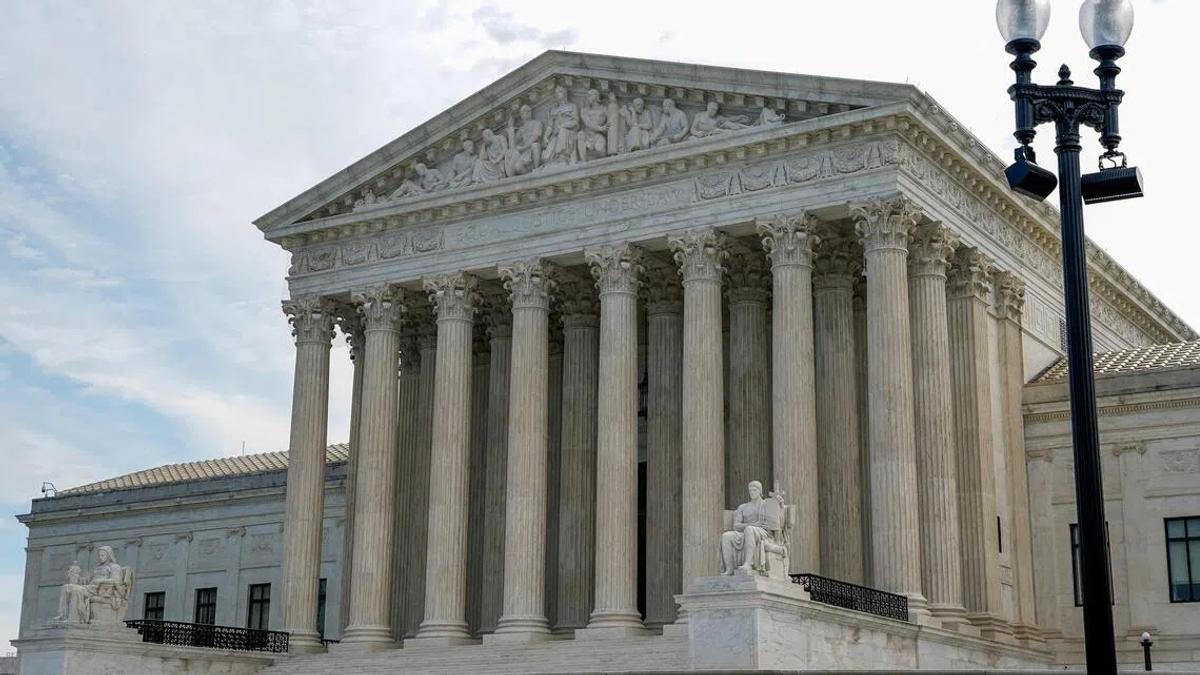
The US Supreme Court ruled against most of Donald Trump's widest-ranging tariffs on February 20, finding that the International Emergency Economic Powers Act (IEEPA) does not authorize the president to unilaterally impose tariffs on goods imported from trading partners. As a result, the US has refunded approximately $128 billion in tariffs that were collected before the ruling.
The refund of tariffs is a significant development in the ongoing saga of US trade policy. The fact that the refunds are going to corporate importers rather than American consumers highlights the influence of corporate interests in shaping US trade policy. The Trump administration's decision to impose tariffs was initially met with criticism from some analysts and legal setbacks, but the administration has continued to escalate its trade campaign. The use of different legal authorities to impose tariffs, such as Section 301 of the Trade Act of 1974, demonstrates the administration's willingness to push the boundaries of executive power.
The human cost of the tariff refunds is significant. While corporate importers are receiving billions of dollars in refunds, American consumers are not seeing any direct benefits. Households are shouldering the burden of higher prices due to the tariffs, and the refunds are not providing any relief. Democratic Congressman Greg Casar has criticized the move, stating that the refunds should go back to American consumers, not corporate importers. This highlights the disconnect between the administration's trade policy and the needs of ordinary citizens.
What is being downplayed in the discussion of the tariff refunds is the long-term impact on the US economy. The imposition of tariffs has led to a trade war with other countries, resulting in higher prices for consumers and uncertainty for businesses. The use of executive power to impose tariffs has also raised concerns about the erosion of congressional authority in trade policy. Furthermore, the fact that the refunds are going to corporate importers rather than American consumers raises questions about who is really benefiting from US trade policy.
As the US continues to navigate its trade policy, readers should watch for further developments in the trade war. The administration's use of different legal authorities to impose tariffs is likely to be challenged in court, and the outcome of these challenges will have significant implications for US trade policy. Additionally, the impact of the tariff refunds on the US economy will be closely watched, particularly in terms of how they affect American consumers and businesses. The response of other countries to the US trade policy will also be important, as they may retaliate with their own tariffs or other trade restrictions.
Editor's Note: The analysis is based on publicly available information and may not reflect the full complexity of the issue.
Source referenced: STRAITSTIMES
This brief was synthesized by our Editorial Engine and reviewed by The Ground Narrative team.


