TRENDING

Sunday, 18 October 2026
----------------------
7 Jumada Al-Awwal 1448 AH
A new bill aims to link US security assistance to the quality of a partner country's security sector governance, potentially incentivizing improvement by rewarding progress with higher levels of support.
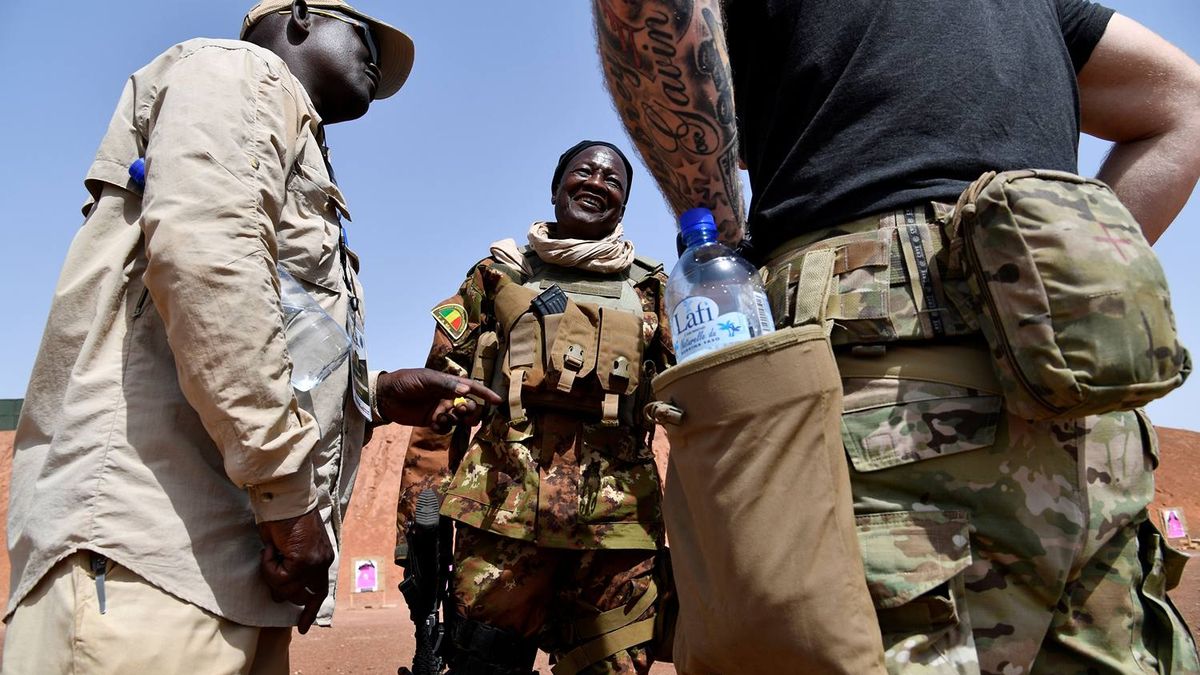
The United States has long been a major provider of security assistance to countries around the world. However, this assistance has often been criticized for being ineffective and even counterproductive, as it has been used to prop up authoritarian regimes and perpetuate human rights abuses. In response to these concerns, Representative Sara Jacobs has introduced a new bill that aims to reform US security assistance by linking it to the quality of a partner country's security sector governance.
The current system of US security assistance is often criticized for being too focused on short-term goals and not enough on long-term sustainability. This has led to a situation where the US is providing billions of dollars in aid to countries that are not making significant progress in terms of governance and human rights. As a result, the US is often seen as complicit in the human rights abuses and corruption that plague these countries.
The new bill, known as the Security Sector Governance Compacts Act, would require the secretary of state to create a "Security Sector Governance Index" that would assess the quality of a partner country's security sector governance. This index would take into account a range of factors, including the level of corruption in the security sector, the level of civilian oversight, and the record of human rights and international humanitarian law violations.
The bill would mandate annual assessments from the secretary of state, in coordination with the secretary of defense, to designate partner countries under four tiers that would determine the type of assistance provided. The legislation also calls for a report on these assessments and designations to be submitted to Congress.
The implications of this bill are significant, as it would represent a major shift in the way the US approaches security assistance. By linking assistance to governance, the US would be sending a clear signal that it values good governance and human rights above all else. This could have a number of positive consequences, including:
* Improved governance: By incentivizing good governance, the US could help to create more stable and effective security sectors in partner countries.
* Reduced human rights abuses: By holding partner countries accountable for their human rights record, the US could help to reduce the incidence of human rights abuses.
* Increased transparency and accountability: The bill's requirement for annual assessments and reports would increase transparency and accountability in the security assistance process.
The implications of this bill would be felt not just in the US, but also in the regions where the US provides security assistance. In Africa, for example, the bill could help to address the root causes of instability and conflict, such as poor governance and human rights abuses. In the Middle East, the bill could help to promote more effective and sustainable security assistance, and reduce the incidence of human rights abuses.
The proposed bill represents a major shift in the way the US approaches security assistance. By linking assistance to governance, the US would be sending a clear signal that it values good governance and human rights above all else. This could have a number of positive consequences, including improved governance, reduced human rights abuses, and increased transparency and accountability.
Editor's Note: The analysis is based on publicly available information and does not reflect any confidential or classified information.
Source referenced: FOREIGNPOLICY
This brief was synthesized by our Editorial Engine and reviewed by The Ground Narrative team.