TRENDING

Sunday, 18 October 2026
----------------------
7 Jumada Al-Awwal 1448 AH
A capsized boat off Baja left 11 missing and survivors with shark bites, revealing the hidden costs of migration routes and the power play between the United States and Mexico.
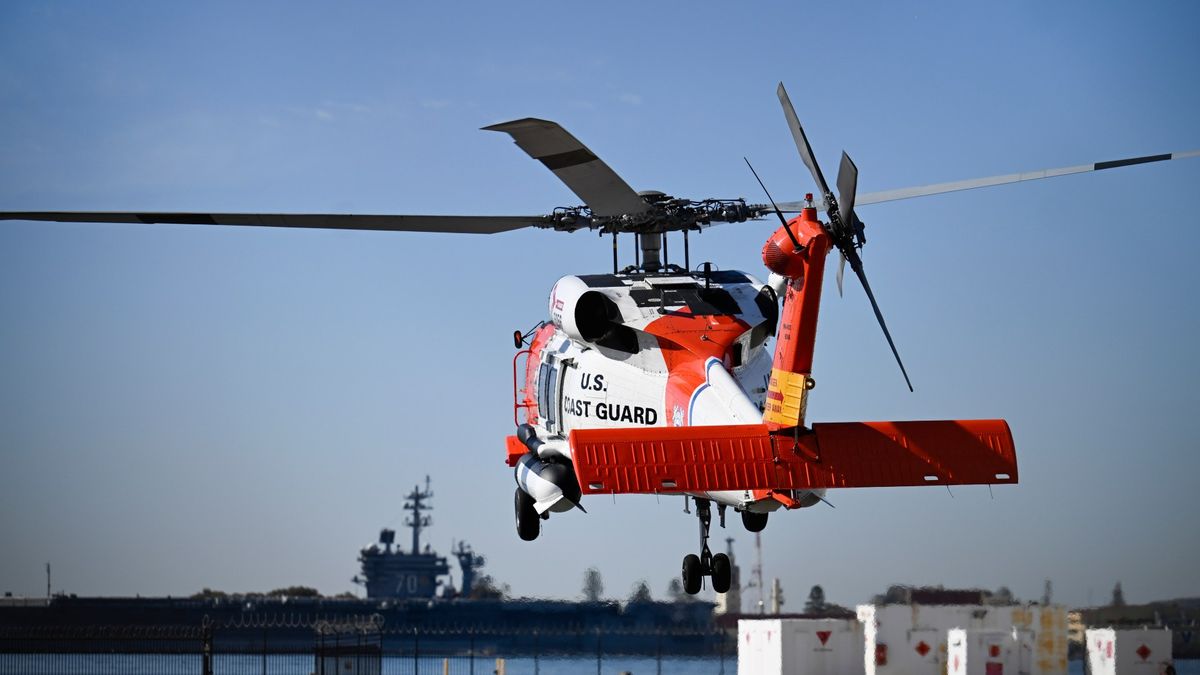
On the night of October 13, 2026, a small vessel carrying 27 people capsized roughly 225 km west of Ensenada, Mexico. Sixteen passengers were rescued, but eleven remain missing, and several survivors were treated for severe injuries consistent with shark bites. The rescue effort involved the U.S. Coast Guard, the U.S. Navy, and the Mexican Navy, deploying helicopters, aircraft, and boats over a multi‑day operation.
The tragedy sits at the intersection of three powerful structural forces. First, the persistent demand for irregular migration across the U.S.–Mexico border fuels a lucrative smuggling market. Criminal networks profit from charging migrants thousands of dollars for perilous sea legs, and the profitability of each crossing incentivizes them to push boats farther offshore, where rescue chances diminish.
Second, the incident showcases the delicate balance of U.S.–Mexico security cooperation. Although the capsizing occurred in international waters, the U.S. Coast Guard launched assets because the incident threatened American interests and because the United States wants to demonstrate its capacity to intervene in regional humanitarian crises. This cooperation is also a diplomatic tool; Mexico benefits from the added resources, while the United States gains leverage in broader border‑security negotiations.
Third, domestic political calculations shape the response. In Washington, any migrant‑related disaster is quickly framed as evidence of a broken immigration system, feeding narratives that justify stricter enforcement or increased funding for border agencies. Meanwhile, Mexican officials must manage public outrage over the loss of Mexican nationals while avoiding a perception of weakness against organized crime. The allocation of costly assets—helicopters, Navy ships, and Coast Guard personnel—reflects both nations’ desire to appear decisive without committing to long‑term solutions.
The economics of smuggling also intersect with environmental realities. Seasonal changes in sea temperature and shark migration patterns affect the risk profile of offshore routes. Smugglers, however, often ignore these variables, prioritizing speed and secrecy over safety. The presence of sharks in the incident adds a layer of horror that media outlets can exploit, but it also underscores how natural hazards become collateral damage in a market driven by profit and desperation.
The most immediate victims are the migrants themselves. Survivors with shark‑bite injuries face long‑term medical complications, psychological trauma, and the loss of any hope of reaching the United States. Their families, many of whom remain in rural Mexico, confront the dual burden of grief and financial strain, as remittances that sustain households evaporate.
The disaster also ripples through nearby fishing villages that rely on tourism and safe waters. News of shark attacks can deter recreational boaters, reducing income for local guides and hospitality businesses. Moreover, the deployment of Mexican naval vessels for rescue operations temporarily removes assets that would otherwise patrol illegal fishing, potentially harming the livelihoods of lawful fishermen.
U.S. and Mexican rescue crews operate under hazardous conditions, exposing themselves to rough seas, night‑time navigation, and the possibility of further shark encounters. The physical and mental toll on these responders is often overlooked in official statements that focus on the number of lives saved.
Official briefings highlighted the swift response of the U.S. Coast Guard and the bravery of rescue swimmers, but they downplayed the systemic drivers of the tragedy. The role of organized crime in orchestrating the voyage was barely mentioned, allowing the narrative to stay within a humanitarian frame rather than a law‑enforcement one.
Smuggling syndicates have adapted to increased land‑border enforcement by shifting to maritime routes that are harder to monitor. These groups invest in larger, more seaworthy vessels and use encrypted communications to evade detection. The incident reveals a gap in regional maritime surveillance that both governments have been reluctant to address comprehensively.
In the United States, politicians on both sides of the aisle have seized on the shark‑bite detail to paint migrants as reckless, diverting attention from the root causes—economic disparity, violence, and climate‑induced displacement in Central America. In Mexico, officials emphasize the rescue success while sidestepping criticism of corruption that allows smugglers to operate with impunity.
The presence of sharks was framed as an unfortunate accident, yet it signals a broader ecological shift. Overfishing and warming oceans have altered shark migration routes, increasing encounters near coastal migration corridors. Ignoring this link prevents a holistic approach that could mitigate future tragedies through environmental management.
Observers should monitor three emerging trends. First, any legislative moves in Washington that allocate additional funding to the U.S. Coast Guard for offshore operations could signal a shift toward a more militarized maritime border strategy. Second, Mexico’s upcoming budget discussions may reveal whether the government will invest in advanced radar and patrol vessels to counter smuggling at sea, or whether resources will continue to be diverted to land‑border enforcement. Finally, climate‑related changes in marine ecosystems could make shark encounters more common, prompting NGOs and governments to consider joint marine‑safety initiatives alongside migration policy reforms.
Staying alert to these developments will help citizens understand whether the tragedy off Baja will become a catalyst for systemic change or remain an isolated incident framed by short‑term political expediency.
Smugglers push boats farther offshore to avoid land‑border patrols, and migrants accept the risk because overland routes are heavily fortified and often more expensive.
The Coast Guard can deploy assets in international waters when American lives or interests are at stake, using bilateral agreements with neighboring countries to coordinate rescue operations.
Source referenced: ALJAZEERA
This brief was synthesized by our Editorial Engine and reviewed by The Ground Narrative team.