TRENDING

Sunday, 18 October 2026
----------------------
7 Jumada Al-Awwal 1448 AH
A Washington Post photographer was brutally attacked by Israeli settlers in the occupied West Bank, prompting Secretary of State Marco Rubio to call for a crackdown. The incident exposes tangled power dynamics between Washington, Jerusalem, and the Palestinian population.
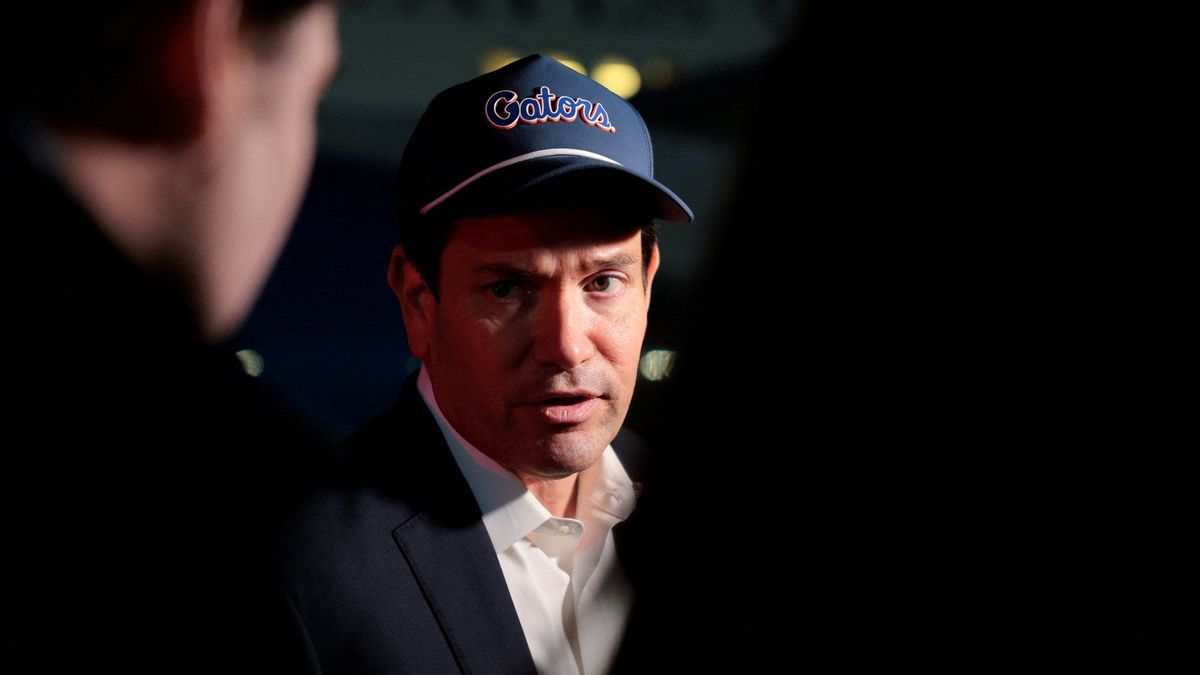
On Friday, Heidi Levine, a photojournalist for the Washington Post, was assaulted by a group of Israeli settlers while covering a protest in the occupied West Bank. The attack, captured on video, sparked outrage in Washington and prompted Secretary of State Marco Rubio to publicly demand that Israel halt settler‑initiated violence. The incident occurred amid a broader pattern of confrontations between settlers and Palestinians, as well as occasional clashes with foreign diplomats.
The United States has long balanced a strategic partnership with Israel against growing domestic pressure to address human‑rights concerns. Rubio, a senior senator with a reputation for hawkish foreign‑policy stances, is leveraging the incident to signal a shift in the administration’s tolerance for settler aggression. By framing the attack as an affront to American press freedom, the administration can appeal to both bipartisan concerns about journalistic safety and progressive calls for a tougher stance on the occupation.
In Jerusalem, the settler movement wields significant political clout. Settler parties sit in the governing coalition, and their lobbying networks influence ministries responsible for security coordination in the West Bank. The Israeli Defense Forces (IDF) are tasked with maintaining order, yet they often defer to civilian settler leadership, creating a de‑facto immunity for violent acts. This dynamic allows the Israeli government to publicly condemn attacks while avoiding substantive policy changes that would threaten the settler agenda.
Regionally, the incident reverberates among Palestinian authorities, who view the assault as another illustration of the asymmetry of power. The Palestinian Ministry of Foreign Affairs has condemned the violence, but its diplomatic leverage is limited. The United States, as the primary donor to the Palestinian Authority, can exert pressure, yet it must also consider the broader Arab‑Israeli diplomatic calculus, especially as Gulf states normalize relations with Israel.
The everyday reality for Palestinians living near settlement outposts is one of constant intimidation. Settler raids often involve property damage, arson, and physical assaults, disrupting livelihoods and fostering a climate of fear. When an American journalist is harmed, the international spotlight briefly shines on these routine violations, but the underlying trauma for local residents remains largely invisible.
The assault on Heidi Levine underscores the precarious position of reporters covering the conflict. Press credentials offer limited protection, and the threat of violence can lead to self‑censorship, reducing the flow of independent information. For freelance journalists, especially those from Western outlets, the risk translates into higher insurance costs, limited access, and, in extreme cases, the decision to abandon on‑the‑ground reporting altogether.
While the settlers involved in the attack face potential legal repercussions, the broader community often perceives such incidents as a badge of ideological commitment. This perception fuels a cycle where violent actions are socially rewarded, reinforcing extremist narratives and marginalizing moderate voices within the settlement bloc.
Beyond the immediate victim, the incident raises concerns for the entire U.S. press community operating abroad. A perception that the U.S. government will not robustly defend its journalists can deter coverage of contentious regions, ultimately narrowing the public’s understanding of foreign policy challenges.
Official Israeli statements have framed the incident as an isolated act by “a few over‑zealous individuals,” deliberately avoiding any admission of systemic settler‑state collusion. This language serves to protect the coalition’s settler partners while placating international criticism. By not launching a comprehensive investigation, the government preserves the status quo of security coordination that often favors settler interests.
The administration’s public condemnation is calibrated to satisfy multiple audiences: domestic journalists demanding safety, progressive lawmakers pressing for human‑rights accountability, and the pro‑Israel lobby wary of any policy that could jeopardize the strategic alliance. Rubio’s statement allows the administration to appear decisive without committing to concrete measures such as restricting settlement expansion or conditioning aid on human‑rights benchmarks.
Mainstream coverage tends to spotlight the sensational element—the assault on an American journalist—while glossing over the chronic pattern of settler violence that affects thousands of Palestinians daily. This selective framing diverts attention from the structural drivers of the conflict, including land appropriation, legal discrimination, and the militarized enforcement of occupation.
Observers should monitor three key developments. First, whether the Israeli Ministry of Defense initiates a formal inquiry and, if so, whether any settler perpetrators are prosecuted. Second, the U.S. State Department’s next diplomatic moves: a quiet diplomatic note, a public statement, or a shift in aid tied to human‑rights conditions could signal a deeper policy change. Third, the reaction of Palestinian civil‑society groups, which may leverage the incident to rally international support and press for broader accountability mechanisms. The convergence of these factors will indicate whether the assault on Heidi Levine becomes a catalyst for policy reform or simply another footnote in a protracted conflict.
Rubio responded to the assault on Washington Post photographer Heidi Levine, using the incident to highlight concerns over journalist safety and to pressure Israel to address settler‑initiated attacks.
Settler raids often involve property damage, intimidation, and physical assaults, disrupting livelihoods and creating a pervasive climate of fear for Palestinian communities living near settlements.
At present, the U.S. has issued diplomatic criticism but has not announced concrete aid conditions; future policy shifts will depend on how Israel responds and domestic political pressure in Washington.
Source referenced: ALJAZEERA
This brief was synthesized by our Editorial Engine and reviewed by The Ground Narrative team.