TRENDING

Thursday, 22 October 2026
----------------------
11 Jumada Al-Awwal 1448 AH
A proposed agreement between the United States and Saudi Arabia, allowing the kingdom to develop a civilian nuclear program with uranium enrichment capabilities, has sparked significant alarm in Israel. Critics warn the deal could trigger a dangerous nuclear arms race across the Middle East, challenging regional stability and Israel's long-term security interests.
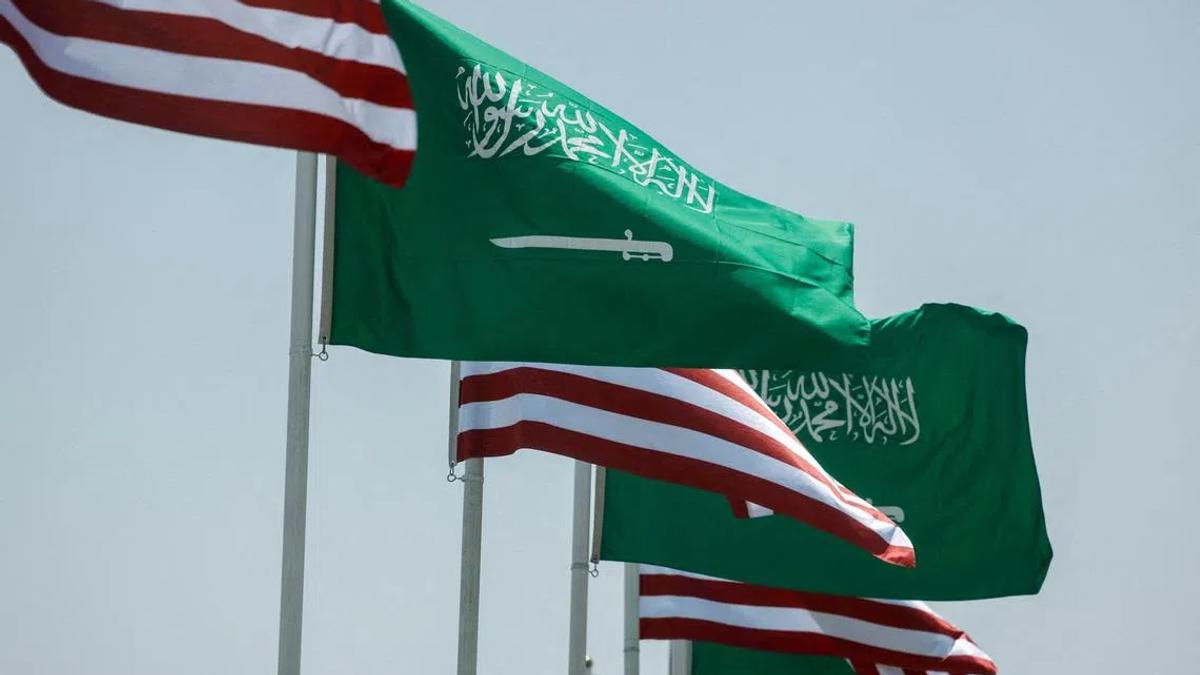
A significant geopolitical development is unfolding in the Middle East, as a proposed agreement between the United States and Saudi Arabia to facilitate a Saudi civilian nuclear program, including uranium enrichment capabilities, has been announced. This deal, which still requires approval from the U.S. Congress, has immediately drawn strong condemnation and deep concern from various Israeli officials, who fear it could fundamentally alter the regional security landscape and potentially ignite a nuclear arms race.
The agreement, revealed on Wednesday, July 23, 2026, aims to allow Saudi Arabia to construct nuclear reactors utilizing American technology. Crucially, it includes provisions for the kingdom to enrich uranium on its own soil, a capability that has historically been a flashpoint in international non-proliferation efforts. While the stated purpose is for a civilian energy program, the dual-use nature of enrichment technology—its potential application in both civilian power generation and weapons development—is at the heart of the controversy.
Israel, widely understood to possess the Middle East's only nuclear arsenal, views this development with profound apprehension. Current Prime Minister Benjamin Netanyahu and his top ministers have yet to issue an official statement, but prominent Israeli political figures have been vocal in their opposition. Former Prime Minister Naftali Bennett described the emerging deal as a "serious strategic failure that endangers our security," warning that "nuclear enrichment on Saudi soil could lead to a regional nuclear race and a dangerous loss of control."
Similarly, former Defence Minister Avigdor Lieberman asserted that a "civilian nuclear program in Saudi Arabia will end in nuclear weapons and will lead to a crazy arms race throughout the entire Middle East." These statements underscore a deep-seated fear within Israel that granting enrichment capabilities to Saudi Arabia, a non-nuclear weapon state under the Nuclear Non-Proliferation Treaty (NPT), could erode Israel's strategic deterrence and prompt other regional actors to pursue similar capabilities, thereby destabilizing the entire region.
The pursuit of a civilian nuclear program by Saudi Arabia has been a long-standing ambition, spanning multiple U.S. administrations, including those of former Presidents Donald Trump and Joe Biden. For Riyadh, such a program offers potential benefits in energy independence, technological advancement, and enhanced national prestige. It also serves as a strategic hedge in a volatile region, particularly in light of Iran's own controversial nuclear activities.
For the United States, facilitating this deal likely represents an effort to deepen strategic ties with Saudi Arabia, a key partner in the Middle East. This could be motivated by a desire to counter growing Chinese and Russian influence in the region, secure energy interests, and potentially foster broader regional stability through closer alliances. However, the inclusion of uranium enrichment has consistently been a sticking point, with non-proliferation groups warning for years that it could provide Saudi Arabia with a pathway to developing nuclear weapons.
Adding another layer of complexity, many Israelis had hoped that any U.S.-Saudi nuclear agreement would be inextricably linked to a broader normalization deal between Israel and Saudi Arabia. This vision, championed by the Biden administration, aimed to integrate Saudi Arabia's nuclear aspirations within a framework that simultaneously advanced regional peace and security. Former defence chief Benny Gantz articulated this sentiment, stating that "there is no security official who would say that introducing civilian nuclear capability into Saudi Arabia without integrating the move as part of building a moderate regional alliance is a step that is good for Israel's security."
The current deal, as presented, appears to decouple these two objectives, raising concerns in Israel that its security interests are being compromised without the reciprocal benefits of a normalization agreement. This separation could complicate future diplomatic efforts to forge a wider regional alliance against common threats.
Before the deal can be finalized, it must navigate the U.S. Congress, where it is expected to face significant scrutiny and potential opposition. Lawmakers will weigh the strategic benefits of strengthening ties with Saudi Arabia against the profound non-proliferation concerns raised by the prospect of a new state acquiring uranium enrichment capabilities in a highly sensitive region. The debate will likely involve intense lobbying from various interest groups, including those advocating for Israel's security.
The outcome of this congressional review will have far-reaching implications. Should the deal proceed with the enrichment clause, it could indeed set a precedent that encourages other regional powers to pursue similar technologies, potentially leading to the very arms race that Israel fears. Conversely, a rejection or significant modification of the deal could strain U.S.-Saudi relations and push Riyadh to seek nuclear technology from other, potentially less transparent, international partners. The delicate balance of power in the Middle East hangs in the balance, with this agreement poised to reshape its strategic future.
Source referenced: STRAITSTIMES
This brief was synthesized by our Editorial Engine and reviewed by The Ground Narrative team.


