TRENDING

Friday, 9 October 2026
----------------------
28 Rabi' Al-Thani 1448 AH
The United States has escalated its long-standing opposition to the International Criminal Court by sanctioning the institution itself, not just its officials. This unprecedented move aims to cripple the court's ability to investigate alleged war crimes by US personnel and Israeli leaders.
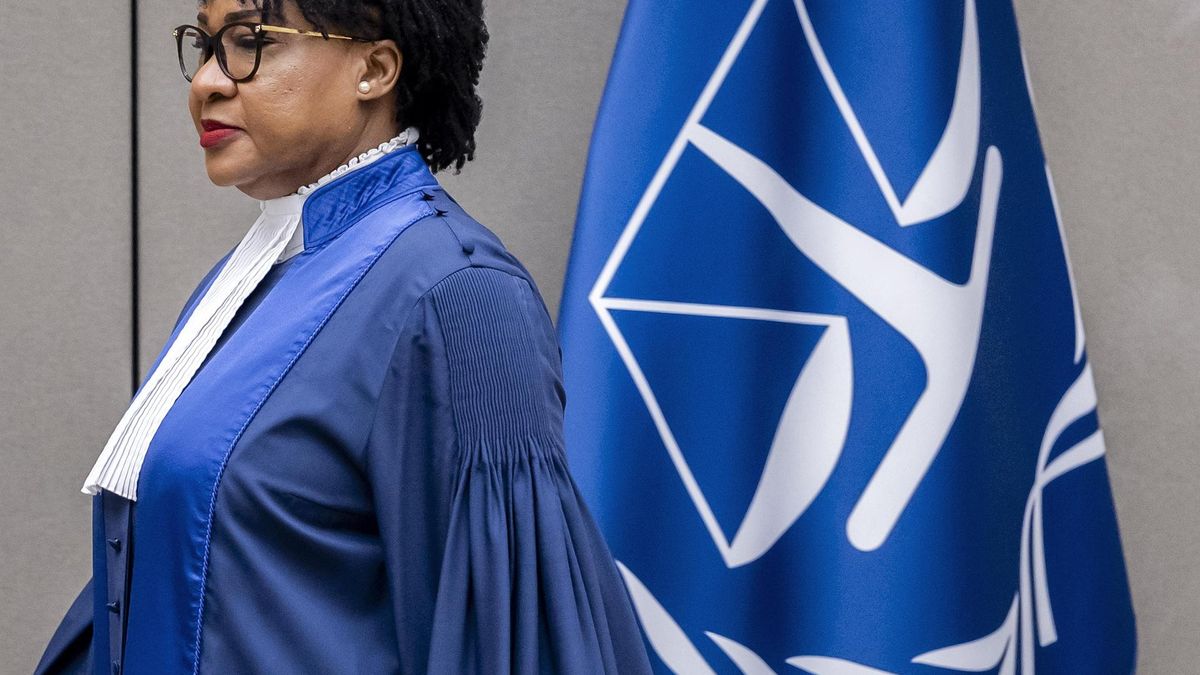
In a significant escalation of its stance against international legal bodies, the United States has announced a new set of sanctions directly targeting the International Criminal Court (ICC) itself. Secretary of State Marco Rubio declared that the US would ban transactions with the court, cutting off its resources and crippling its ability to operate. This action follows the ICC's ongoing investigation into alleged abuses by US military and intelligence personnel in Afghanistan, as well as the court's issuance of arrest warrants for Israeli Prime Minister Benjamin Netanyahu and former Defence Minister Yoav Gallant for alleged war crimes in Gaza.
The US move against the ICC is a stark demonstration of a powerful nation asserting its sovereignty and leveraging its economic might to protect its interests and personnel from external legal scrutiny. At its core, this is about the United States projecting its view that it is not subject to the jurisdiction of the ICC, a court it never ratified the founding Rome Statute for. This stance is rooted in a long-held doctrine of national sovereignty, particularly when it pertains to the actions of its military and intelligence agencies abroad.
The sanctions are not merely symbolic; they are designed to be functionally debilitating. By blocking all property and interests the court has in the US and prohibiting any contributions of funds, goods, or services, Washington aims to sever the ICC's financial lifelines and operational support networks. This strategy leverages the global dominance of the US dollar and the reach of its financial system, making it difficult for the court to conduct basic operations, pay staff, or procure essential services. While some temporary exemptions have been noted for maintenance and pension plans, the intent is clear: to make the ICC's continued operation against US interests untenable.
Adding to this assertion of power is the enduring **
The US sanctioned the ICC due to its ongoing investigations into alleged war crimes by US military personnel in Afghanistan and the issuance of arrest warrants for Israeli leaders regarding actions in Gaza. The US asserts it is not subject to the ICC's jurisdiction as it is not a signatory to the Rome Statute.
The sanctions block the ICC's assets in the US and prohibit transactions, aiming to cut off its financial resources and operational support. This could disrupt the court's ability to pay staff, procure services, and conduct investigations, impacting its overall efficiency and stability.
The primary impact falls on victims of war crimes and atrocities globally, as the sanctions weaken the ICC's ability to deliver justice. Local human rights organizations supporting the court's investigations also face disruption, and the broader international legal system suffers from the erosion of its principles.
Editor's Note: The analysis is based on the provided raw intelligence and applies The Ground Narrative's editorial doctrine to explain the power mechanics and human cost.
Source referenced: ALJAZEERA
This brief was synthesized by our Editorial Engine and reviewed by The Ground Narrative team.


