TRENDING

Friday, 9 October 2026
----------------------
28 Rabi' Al-Thani 1448 AH
Brazil's presidential runoff pits former president Flávio Bolsonaro against incumbent Luiz Inácio Lula da Silva. The outcome will reshape power structures and affect millions of everyday Brazilians.
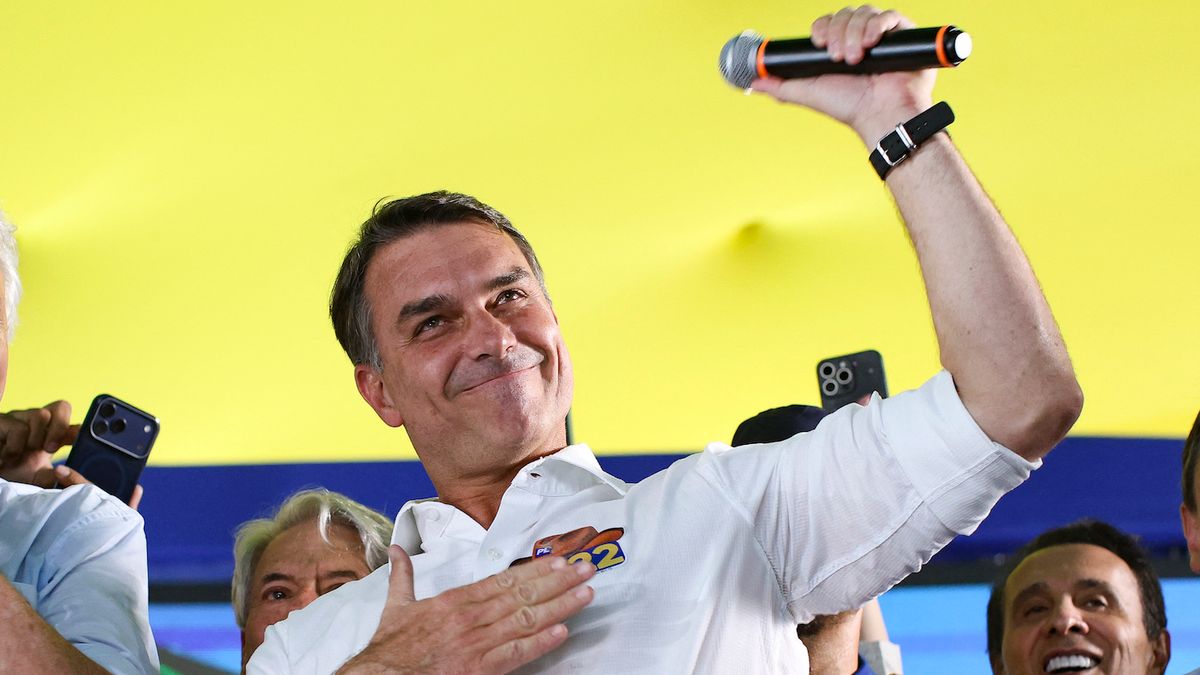
Brazil held its general election on October 6, 2026. In the first round, Flávio Bolsonaro edged out Luiz Inácio Lula da Silva by a narrow margin—47.03% to 45.16%—forcing a runoff on October 25. Bolsonaro’s Liberal Party also secured the most governorships and expanded its congressional presence, while Lula’s Workers' Party suffered historic setbacks among the lower‑middle class.
- Electoral math and party realignment
The Liberal Party’s sweep of governorships gave it control over state resources, patronage networks, and media access. By ousting centrist lawmakers, the party consolidated a right‑leaning bloc that can block or shape legislation in both chambers. This structural advantage translates into bargaining power with business lobbies and regional elites who crave stability for investment.
- Economic incentives
Bolsonaro’s platform emphasizes deregulation, tax cuts, and a pro‑business stance that appeals to agribusiness, mining interests, and multinational corporations eyeing Brazil’s vast natural resources. The promise of fewer labor protections—especially for gig workers—aligns with the interests of logistics firms and ride‑hailing platforms that have lobbied for flexible contracts.
- Security narrative as political currency
Crime rates in Brazil’s peripheral urban zones have risen, and Bolsonaro’s tough‑on‑crime rhetoric resonates with voters who feel unprotected. By framing security as a binary choice—protection for workers, jail for criminals—he captures the anxieties of evangelical and lower‑middle‑class voters who prioritize personal safety over broader social programs.
- Alliance calculus
Internationally, Bolsonaro’s overtures to the United States and right‑leaning governments in the region signal a potential shift in Brazil’s foreign policy. A Bolsonaro victory could deepen Brazil’s participation in U.S.-led security initiatives, granting Washington a strategic foothold in South America while offering Brazil access to defense contracts and technology transfers.
Residents of sprawling suburbs—often informal settlements—face daily insecurity, precarious employment, and limited public services. Bolsonaro’s promise of harsher policing may lead to increased police militarization, raising the risk of human‑rights violations and community trauma.
Uber drivers, motorcycle couriers, and other platform workers constitute a growing segment of Brazil’s lower‑middle class. Lula’s push to regulate gig work threatened their earnings, while Bolsonaro’s deregulation stance could erode any nascent protections, leaving them vulnerable to exploitation and income volatility.
Brazil’s push for deregulation often translates into relaxed environmental oversight for agribusiness and mining. Expansion of these sectors can encroach on Indigenous lands, exacerbate deforestation, and intensify climate‑related health impacts for rural populations.
A Bolsonaro administration is likely to pursue fiscal austerity, targeting public‑sector wages and social programs. Cuts could disproportionately affect teachers, health workers, and municipal staff who already operate under strained budgets.
- Corporate lobbying behind the scenes
While campaign speeches spotlight security and moral values, major agribusiness conglomerates and mining firms have quietly funded political action committees that amplify Bolsonaro’s messaging. Their financial backing is downplayed in public statements that portray the surge as a purely grassroots movement.
- Media consolidation and narrative control
Ownership of major television networks by business magnates aligned with the Liberal Party has shaped coverage, emphasizing Bolsonaro’s law‑and‑order agenda while minimizing discussion of policy trade‑offs. This framing obscures the long‑term fiscal implications of deregulation.
- International financing and debt strategy
Brazil’s sovereign debt levels remain high. A Bolsonaro win could open doors to new credit lines from institutions favoring market‑friendly reforms, but the terms often require structural adjustments that burden the poorest. Official rhetoric rarely mentions these conditionalities.
- The evangelical vote as a political lever
Evangelical churches have mobilized voters through sermons that link moral order with political choice. Their influence is presented as a cultural phenomenon, yet the financial contributions and coordinated voter‑turnout operations remain largely hidden.
The runoff on October 25 will be the decisive moment, but the post‑election landscape will be shaped by several early indicators:
- Congressional coalition building – Watch how Bolsonaro’s party negotiates with centrist and regional blocs to secure a governing majority.
- Security policy rollout – Early police reforms or deployments will reveal the administration’s willingness to prioritize hard‑line tactics over community policing.
- Labor legislation – Any moves to roll back gig‑worker protections or alter labor standards will signal the depth of market‑friendly reforms.
- Foreign policy shifts – Look for new defense agreements, trade deals, or participation in U.S.-led initiatives that could realign Brazil’s global posture.
- Civil society response – Protests, legal challenges, and grassroots organizing will indicate the capacity of opposition forces to hold the government accountable.
By tracking these threads, readers can gauge whether Brazil’s far‑right resurgence translates into lasting structural change or remains a fleeting electoral wave.
Bolsonaro benefited from a consolidated Liberal Party, a tough‑on‑crime narrative that resonated with lower‑middle‑class voters, and strong backing from agribusiness and evangelical groups.
A Bolsonaro administration is likely to pursue deregulation, which could remove emerging protections for platform workers, leaving them exposed to lower wages and fewer labor rights.
Brazil may deepen security and trade ties with the United States, potentially joining U.S.-led initiatives in the region, while also attracting credit lines conditioned on market‑friendly reforms.
Source referenced: FOREIGNPOLICY
This brief was synthesized by our Editorial Engine and reviewed by The Ground Narrative team.