TRENDING

Monday, 5 October 2026
----------------------
24 Rabi' Al-Thani 1448 AH
The US is requiring countries to choose between its AI coalition, Pax Silica, and China's competing framework, warning dual membership is not allowed. This move aims to secure AI supply chains and reduce reliance on adversaries for critical minerals and semiconductors. The decision has significant implications for global technological leadership and the future of artificial intelligence development.
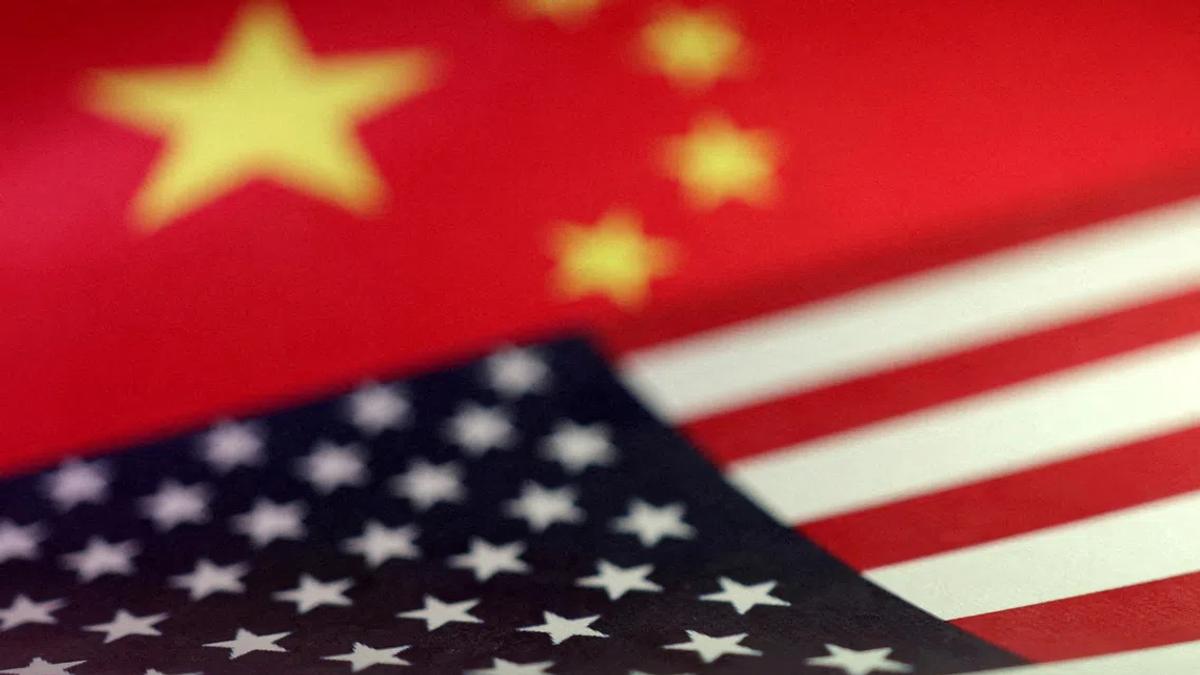
The US has launched an initiative to require countries to choose between its AI coalition, Pax Silica, and China's competing AI framework. This move is part of a broader effort to secure AI supply chains and reduce reliance on adversaries for critical minerals, semiconductors, and AI models. The Pax Silica initiative, launched in 2025, aims to promote joint projects and export controls among US allies and partners.
The US decision to pressure countries to choose sides in the AI race with China reflects the intensifying technological rivalry between the two superpowers. The US hopes to starve China of resources and limit its ability to develop sophisticated AI, which could be used for military or economic dominance. China's launch of the World Artificial Intelligence Cooperation Organization in July has raised concerns in Washington about divided loyalties and strategic competition in AI development. The US is using its diplomatic leverage to persuade countries to join Pax Silica, offering access to shared investment opportunities in AI-related projects and symbolically agreeing on a common purpose and shared vision.
The AI race between the US and China has significant implications for the global economy and the future of work. The development of sophisticated AI could lead to significant job displacement and exacerbate existing social and economic inequalities. The US decision to pressure countries to choose sides could also lead to a fragmentation of the global AI community, making it more difficult to address common challenges and risks associated with AI development. The people who will bear the human cost of this decision are those who will be affected by the potential job displacement, as well as those who will be impacted by the potential misuse of AI for military or economic dominance.
What the US and China are downplaying is the potential risks and unintended consequences of the AI race. The development of sophisticated AI could lead to significant risks, including the potential for AI to be used for autonomous hacking, cyber attacks, or other malicious purposes. The US and China are also downplaying the potential consequences of a fragmented global AI community, which could lead to a lack of cooperation and coordination on common challenges and risks. The fact that Kazakhstan has joined both initiatives highlights the complexity of the issue and the challenges of navigating the US-China technological rivalry.
Readers should watch for the response of countries to the US ultimatum, particularly those that have already joined both initiatives. The decision of Kazakhstan to join both Pax Silica and the World Artificial Intelligence Cooperation Organization has raised concerns in Washington, and it remains to be seen how other countries will navigate this complex issue. The development of the AI race between the US and China will also be critical to watch, particularly in terms of the potential risks and unintended consequences of the development of sophisticated AI. The US and China will need to balance their competitive interests with the need for cooperation and coordination on common challenges and risks associated with AI development.
Editor's Note: The analysis is based on publicly available information and may not reflect the full complexity of the issue.
Source referenced: STRAITSTIMES
This brief was synthesized by our Editorial Engine and reviewed by The Ground Narrative team.