TRENDING

Sunday, 25 October 2026
----------------------
14 Jumada Al-Awwal 1448 AH
The US maintains its naval blockade on Iran despite a military pause, raising concerns about regional stability and the potential for further escalation.
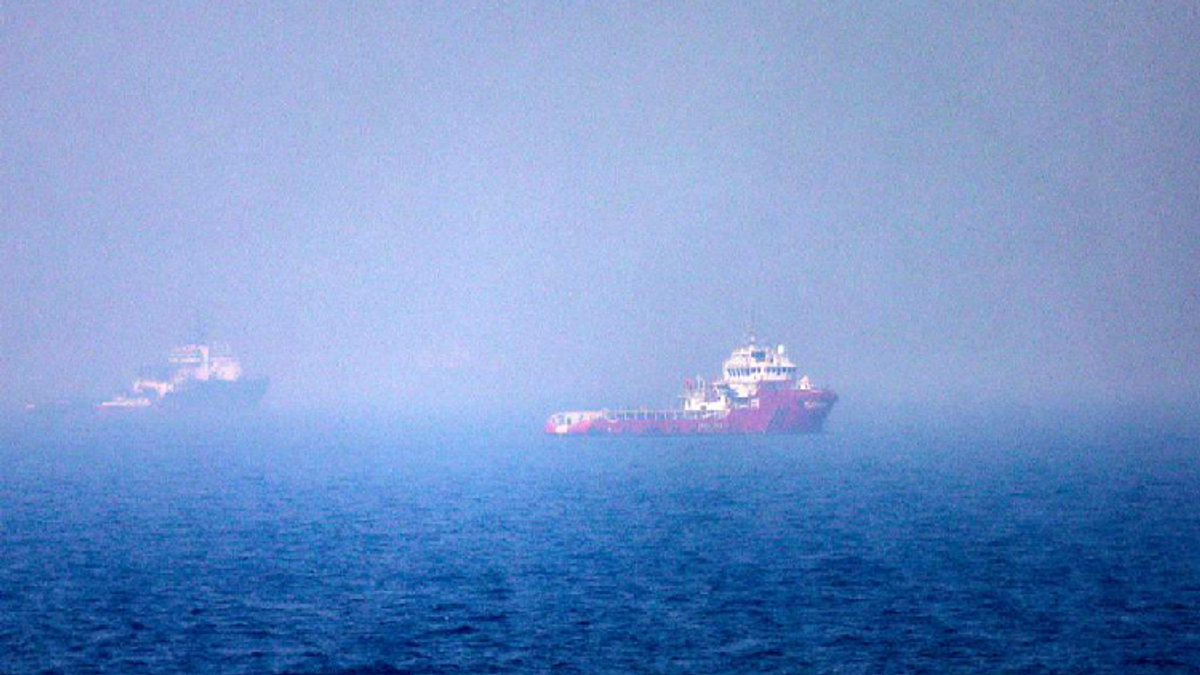
The United States has maintained its naval blockade on Iran, redirecting 12 commercial vessels attempting to breach the blockade, disabling two that failed to comply, and boarding two others to verify compliance. This move has significant strategic implications for the region and the global community.
The US naval blockade on Iran is a critical component of the country's strategy to exert pressure on the Iranian government. By restricting Iran's access to international shipping lanes, the US aims to limit the country's ability to export oil and other commodities, thereby weakening its economy. This move is part of a broader effort to contain Iran's influence in the region and prevent it from developing nuclear capabilities.
The US-Iran conflict has a long and complex history, dating back to the 1979 Iranian Revolution. Since then, the two countries have been engaged in a series of proxy wars, with the US supporting various opposition groups and Iran backing Shia militias in Iraq and Syria. The current naval blockade is the latest development in this ongoing conflict.
The US naval blockade on Iran has significant regional implications. By restricting Iran's access to international shipping lanes, the US is effectively limiting the country's ability to export oil and other commodities. This move is likely to exacerbate regional tensions, particularly in the Middle East, where Iran is a key player.
The future consequences of the US naval blockade on Iran are uncertain. However, it is likely that the move will lead to further escalation in the region, potentially drawing in other countries and exacerbating existing tensions. The blockade may also have unintended consequences, such as driving Iran to develop nuclear capabilities or increasing its support for extremist groups.
The US, Iran, and other regional players, including Saudi Arabia and Israel, are all involved in the conflict. The US has maintained its naval blockade on Iran despite a military pause, while Iran has continued to develop its nuclear capabilities and support Shia militias in the region.
The US naval blockade on Iran is a critical component of the country's strategy to exert pressure on the Iranian government. By restricting Iran's access to international shipping lanes, the US aims to limit the country's ability to export oil and other commodities, thereby weakening its economy.
The US naval blockade on Iran began in July 2026 and is currently in effect. The blockade is being enforced in the Strait of Hormuz, a critical shipping lane that connects the Persian Gulf to the Arabian Sea.
Editor's Note: The analysis is based on publicly available information and may not reflect the full range of perspectives on the issue.
Source referenced: CGTN
This brief was synthesized by our Editorial Engine and reviewed by The Ground Narrative team.