TRENDING

Saturday, 24 October 2026
----------------------
13 Jumada Al-Awwal 1448 AH
The US military's decision to enforce a blockade in the Gulf of Oman and Arabian Sea has significant implications for regional stability, global energy markets, and the ongoing conflict in the Middle East.
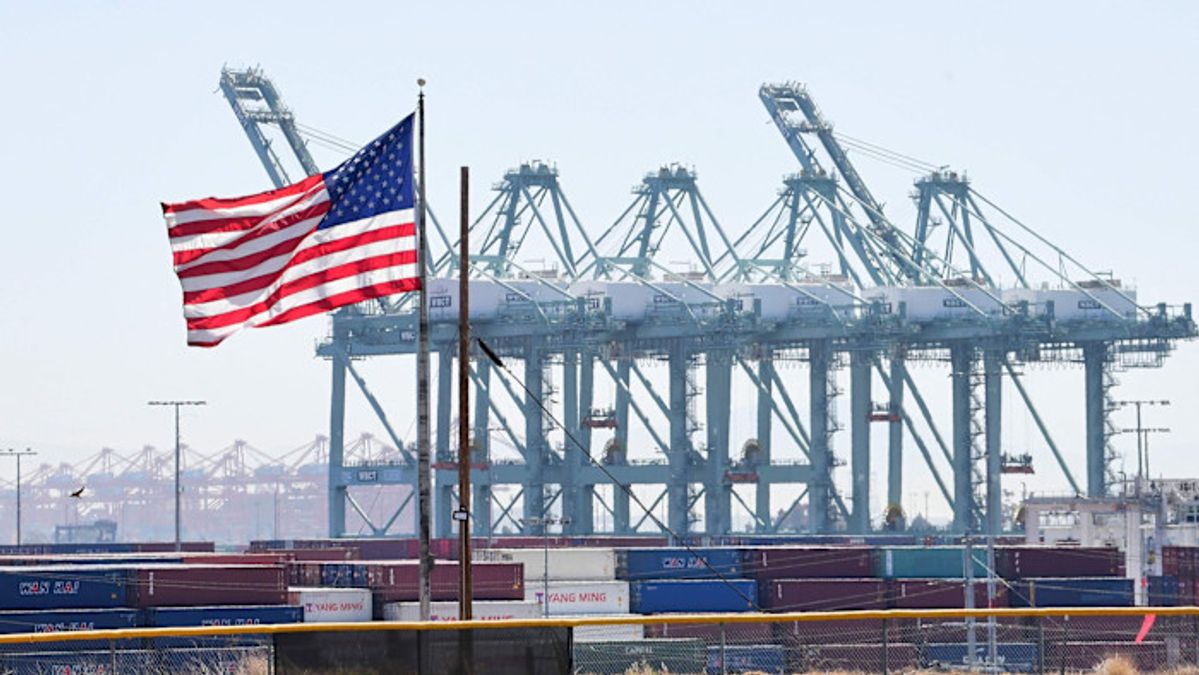
The US military's decision to enforce a blockade in the Gulf of Oman and Arabian Sea is a strategic move aimed at exerting pressure on Iran and its regional allies. The blockade, which will come into effect on April 13, 2026, will apply to all vessel traffic regardless of flag, with the US Central Command warning that any vessel entering or departing the blockaded area without authorization is subject to interception, diversion, and capture.
The US military's blockade is a response to the ongoing conflict in the Middle East, which has seen a significant escalation in recent weeks. The blockade is aimed at crippling Iran's economy and limiting its ability to export oil, which is a crucial source of revenue for the country. The US has been seeking to isolate Iran and limit its influence in the region, and the blockade is a key component of this strategy.
The blockade will have significant implications for regional stability, with several countries in the Middle East likely to be affected. The blockade will impact the flow of oil and other goods through the Strait of Hormuz, which is a critical waterway for global energy markets. The blockade will also have a significant impact on the economies of countries in the region, including Iran, Iraq, and the Gulf states.
The blockade will have long-term consequences for the region, with several possible outcomes. One possible outcome is that the blockade will lead to a significant escalation of the conflict in the Middle East, with Iran and its allies responding to the blockade with military force. Another possible outcome is that the blockade will lead to a negotiated settlement between the US and Iran, with the two sides agreeing to a ceasefire and a reduction in tensions.
The blockade is part of a larger pattern of US military action in the Middle East, which has seen a significant escalation in recent years. The US has been involved in several military conflicts in the region, including the wars in Iraq and Afghanistan, and has also been involved in several proxy wars, including the conflict in Yemen.
The US military's blockade in the Gulf of Oman and Arabian Sea is a significant development with far-reaching implications for regional stability, global energy markets, and the ongoing conflict in the Middle East. The blockade is a key component of the US strategy to isolate Iran and limit its influence in the region, and will have significant consequences for the economies of countries in the region.
Source referenced: CGTN
This brief was synthesized by our Editorial Engine and reviewed by The Ground Narrative team.